
ABA Therapy in North Carolina
Alpaca Health matches families in North Carolina with independent BCBAs who provide in-home and center-based ABA therapy for children with autism. We accept private insurance and Medicaid, and we do not run a waitlist. Most families know their coverage and provider options within a few days.


Clinically reviewed by
Samantha Ridout, M.Phil., BCBA, LBA-NYS· BACB certification #1-22-57709 · Last updated August 2026
Accepted insurance
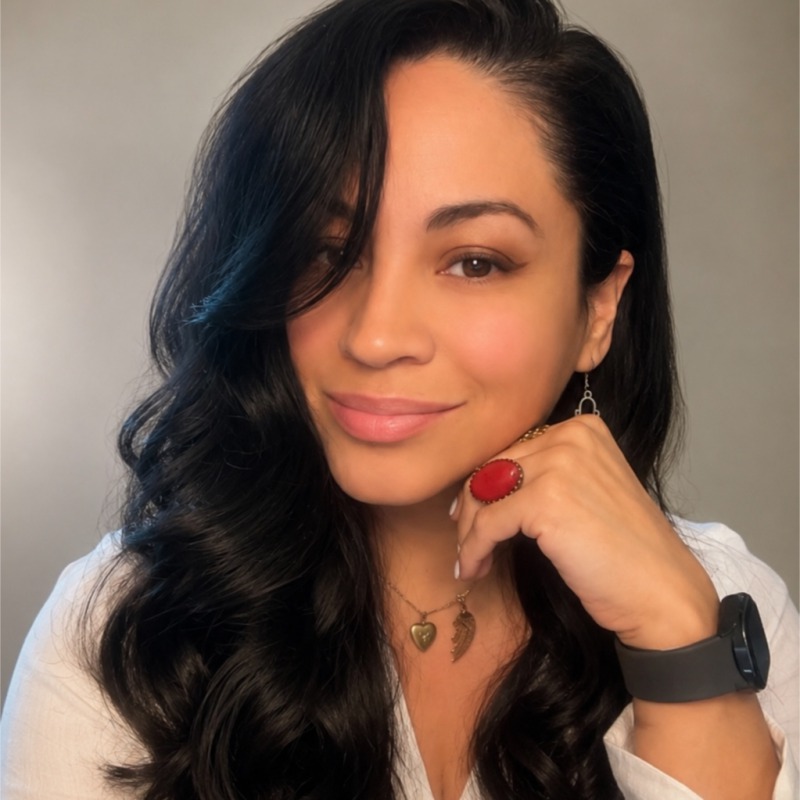
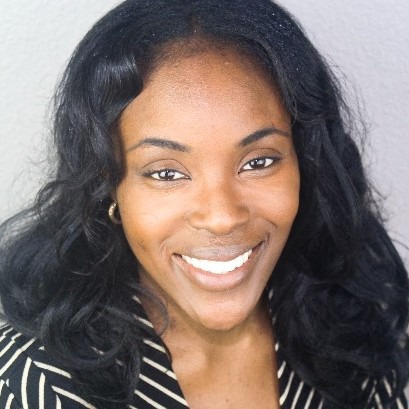
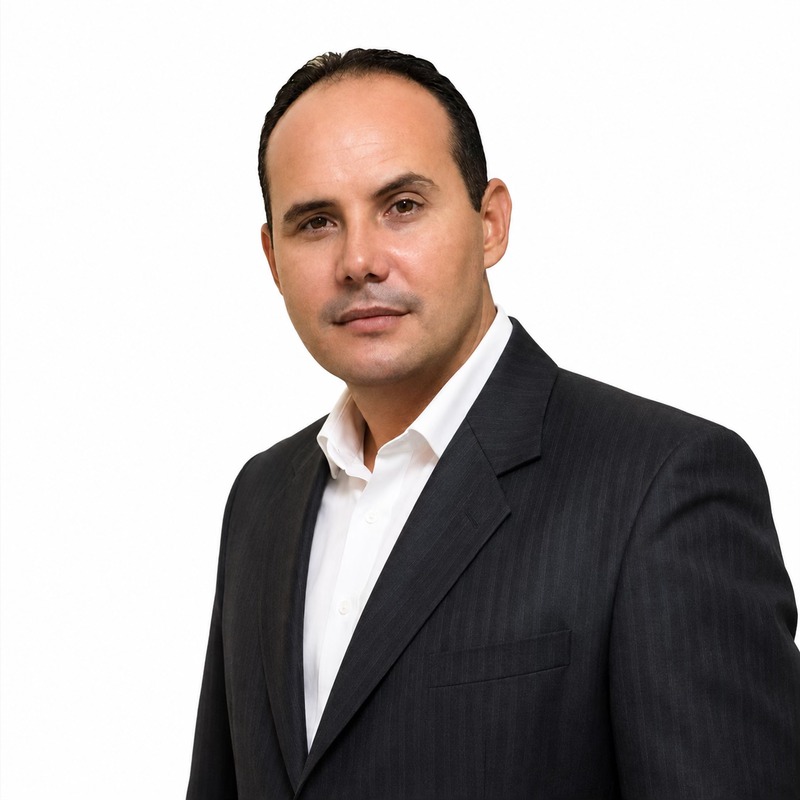
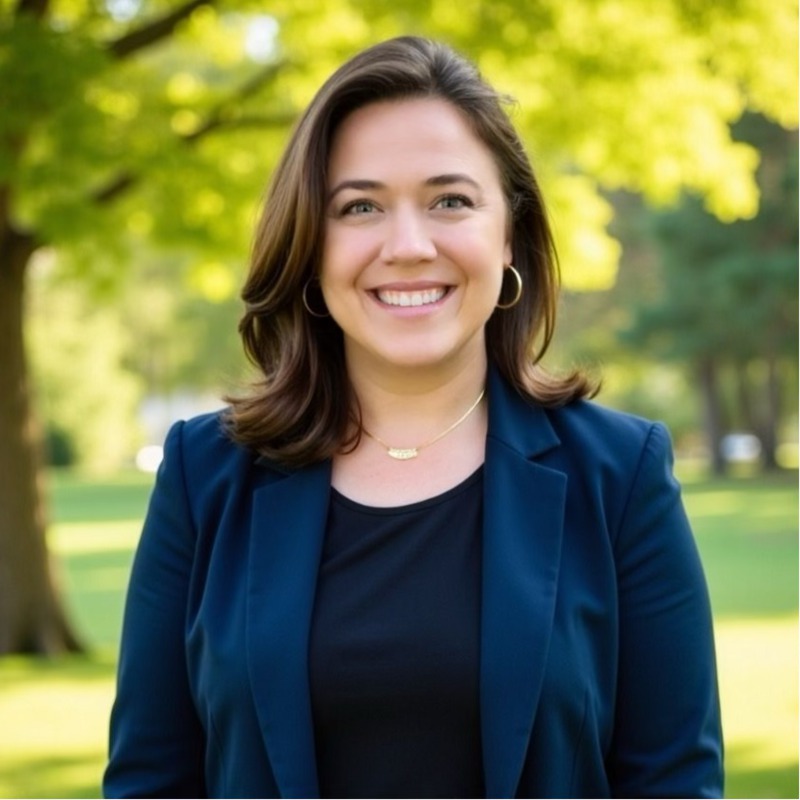
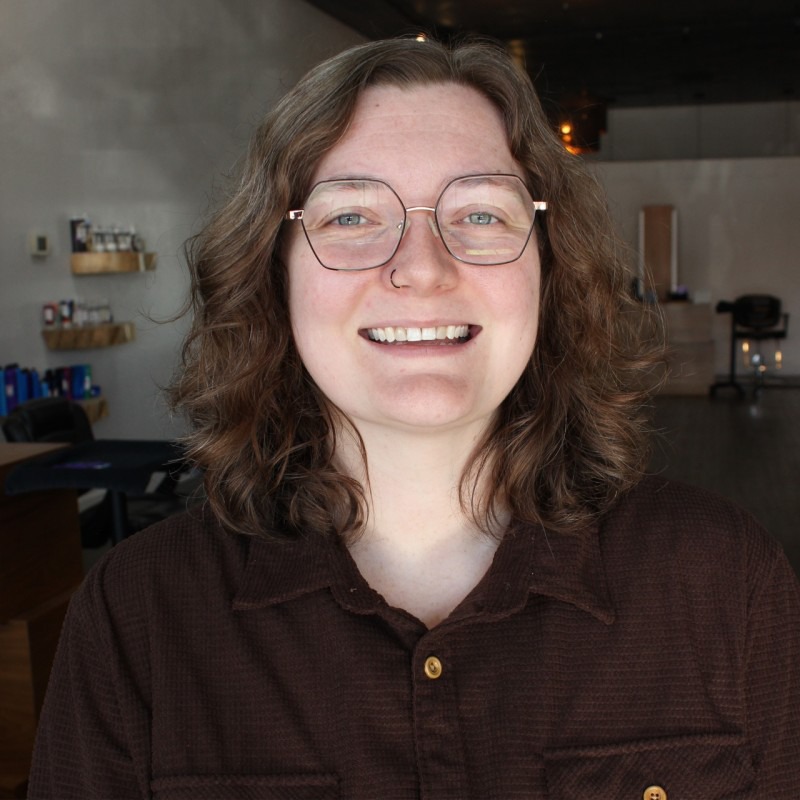
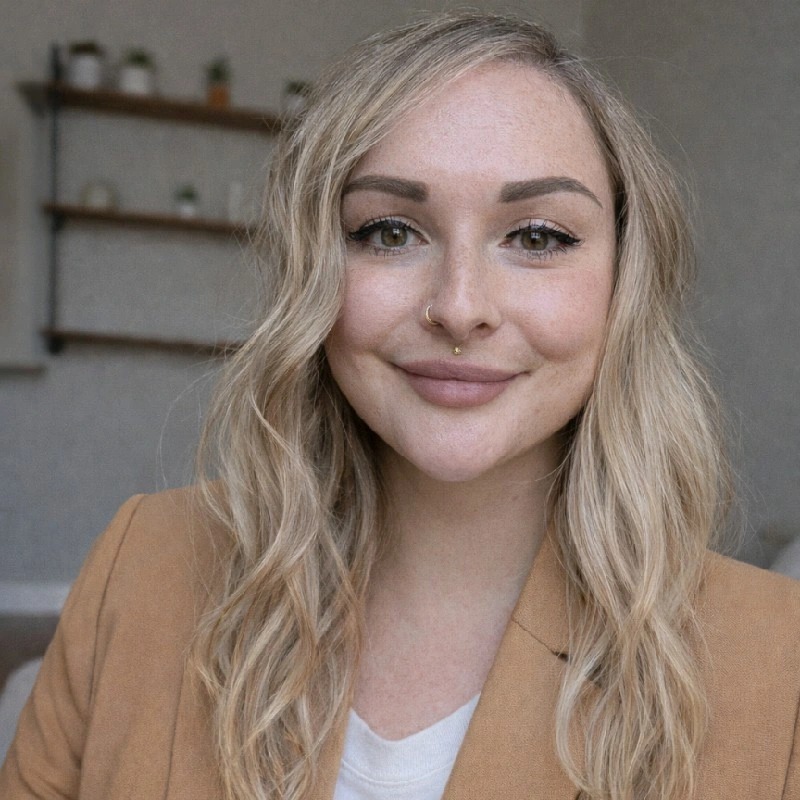
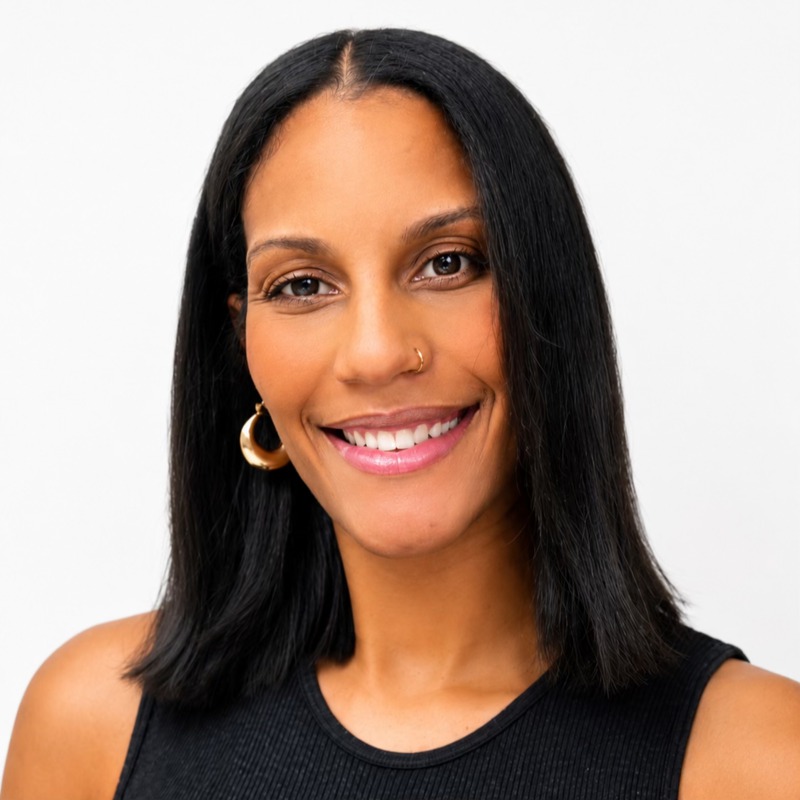
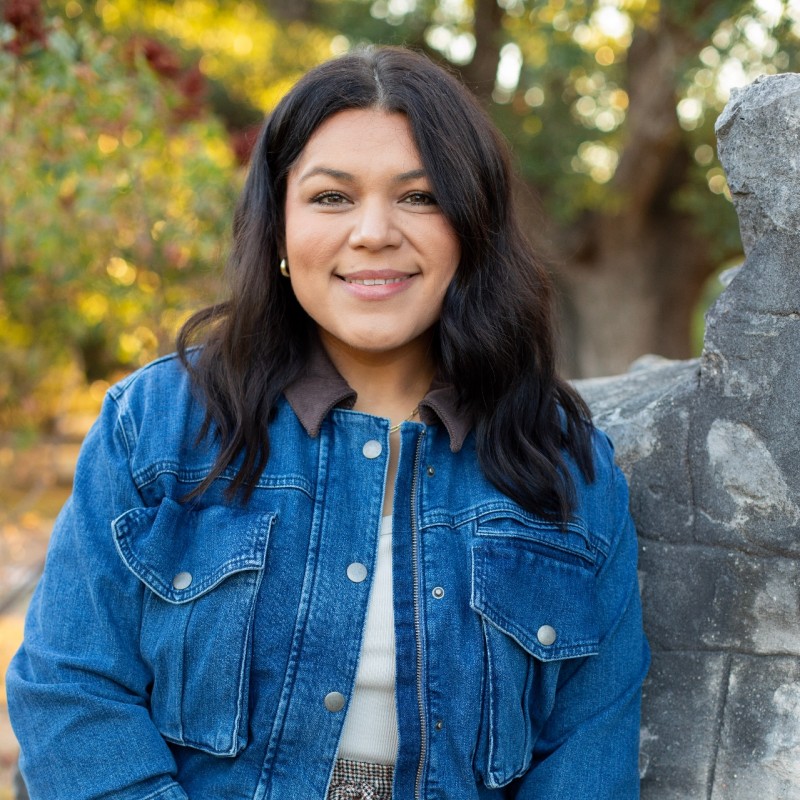
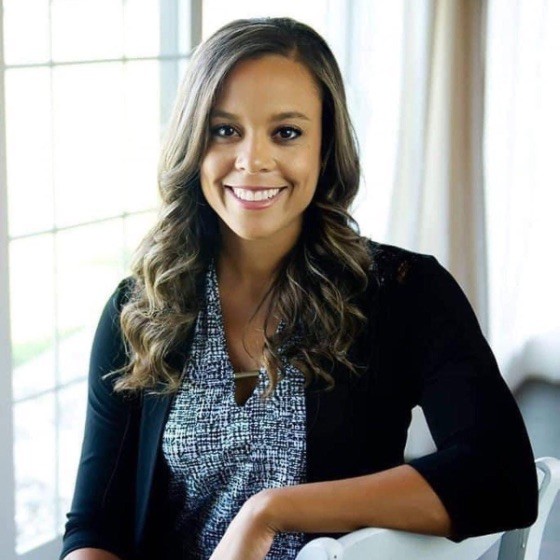
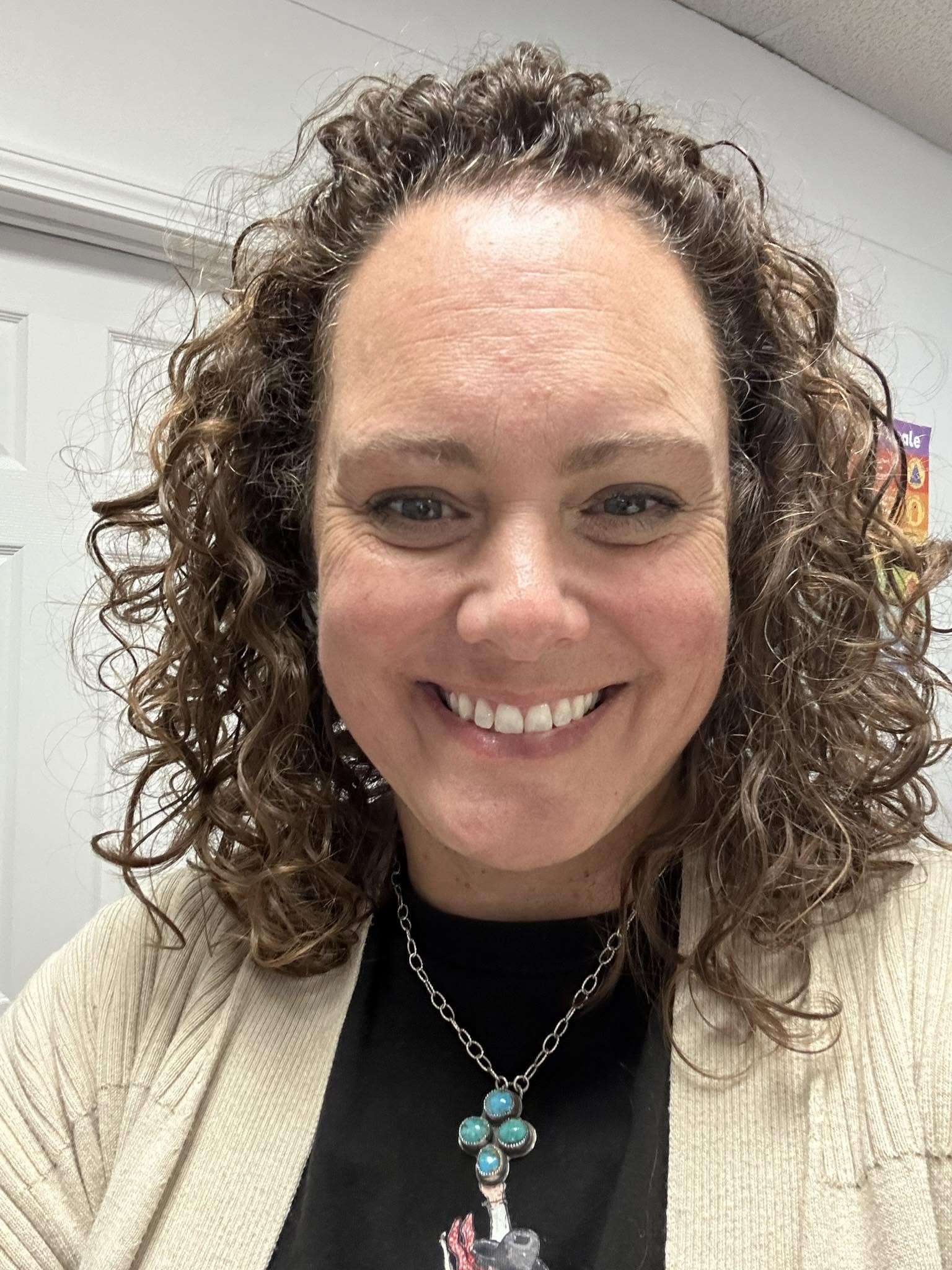
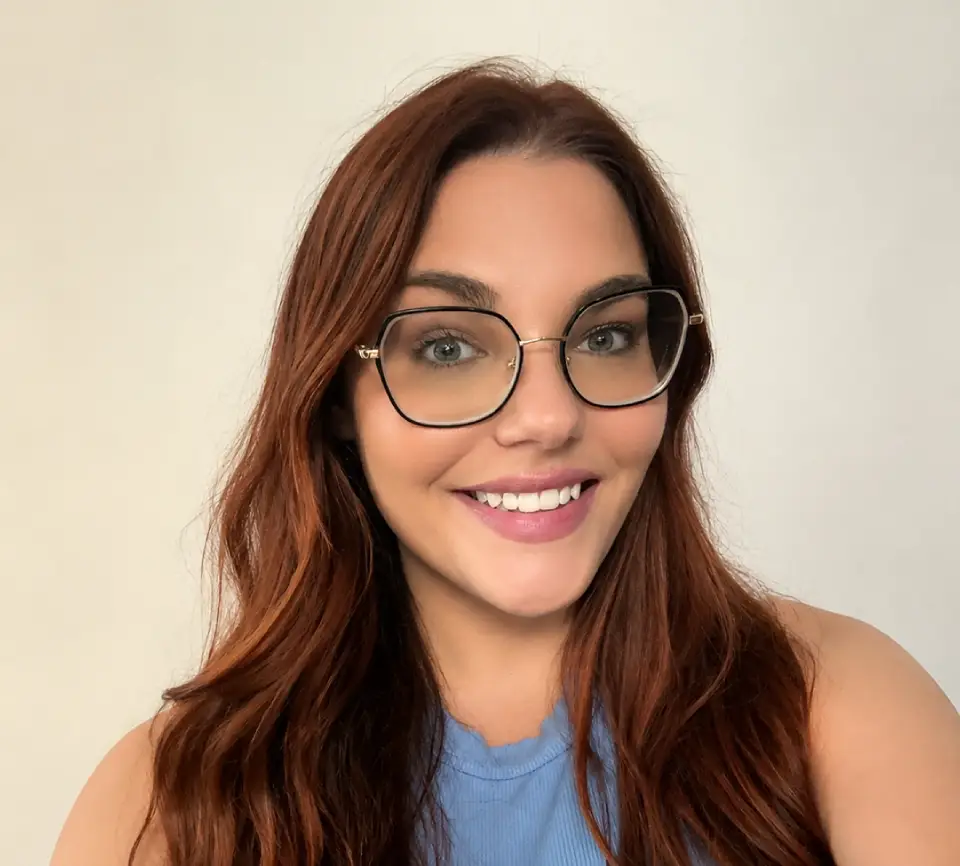
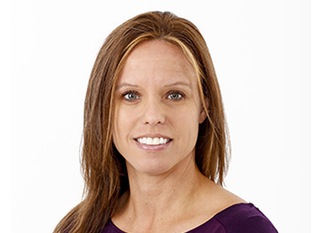
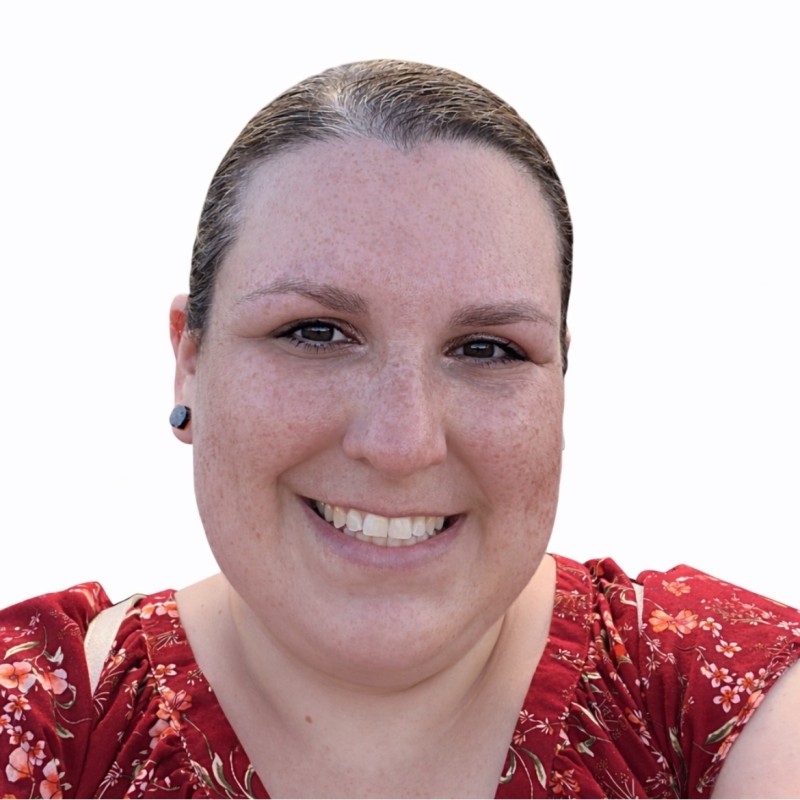
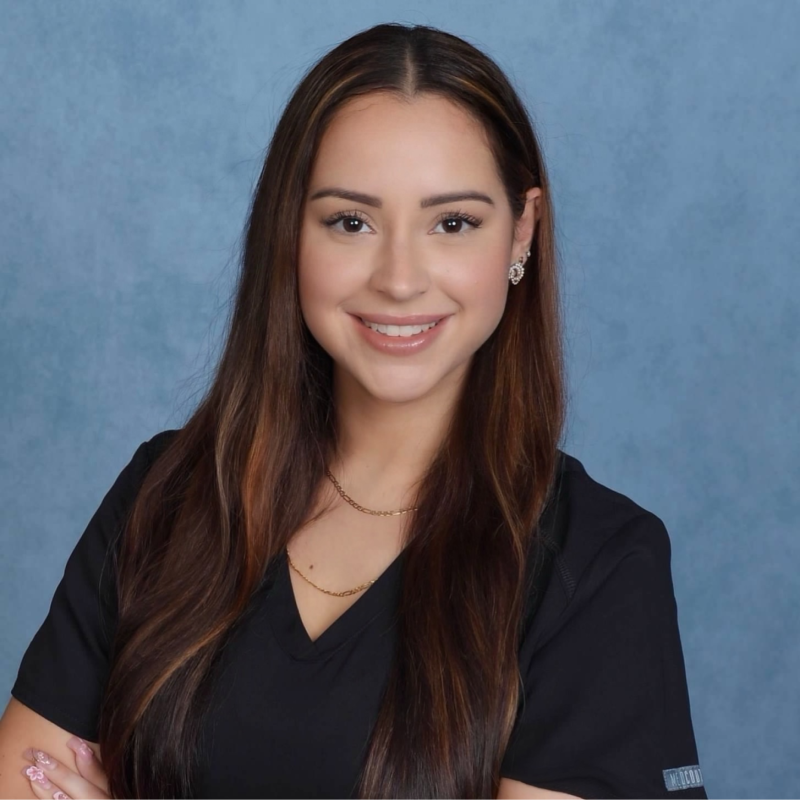
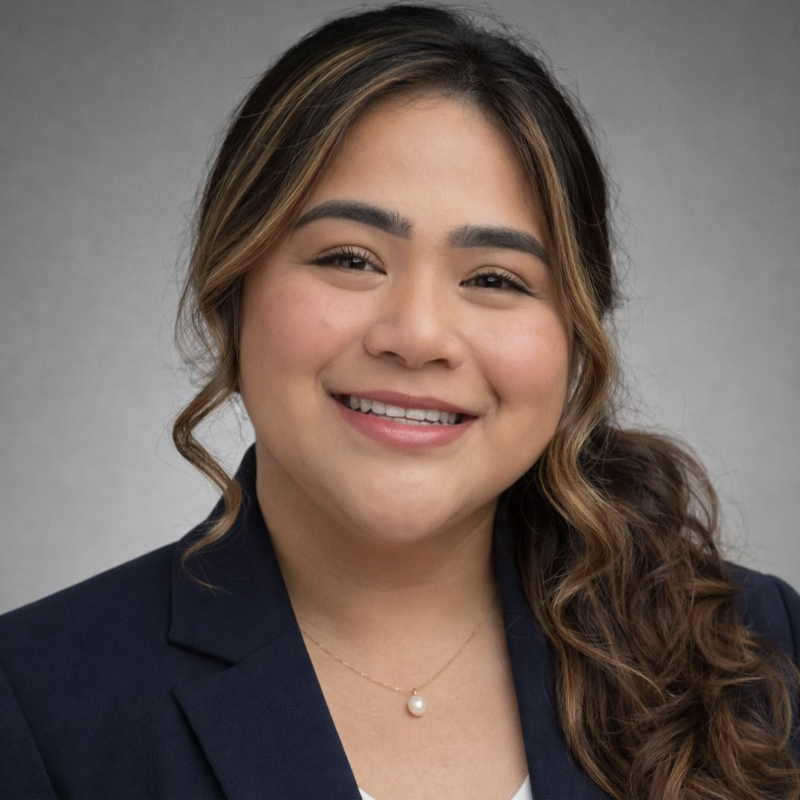
Local, Independent Providers
Every provider in our network runs their own practice. That means no corporate rules, no long waitlists, and care that puts your child first. We’ll help you find a provider near you who has availability now and offers in-home care for kids and young adults, ages 0 to 21.





































.jpeg)


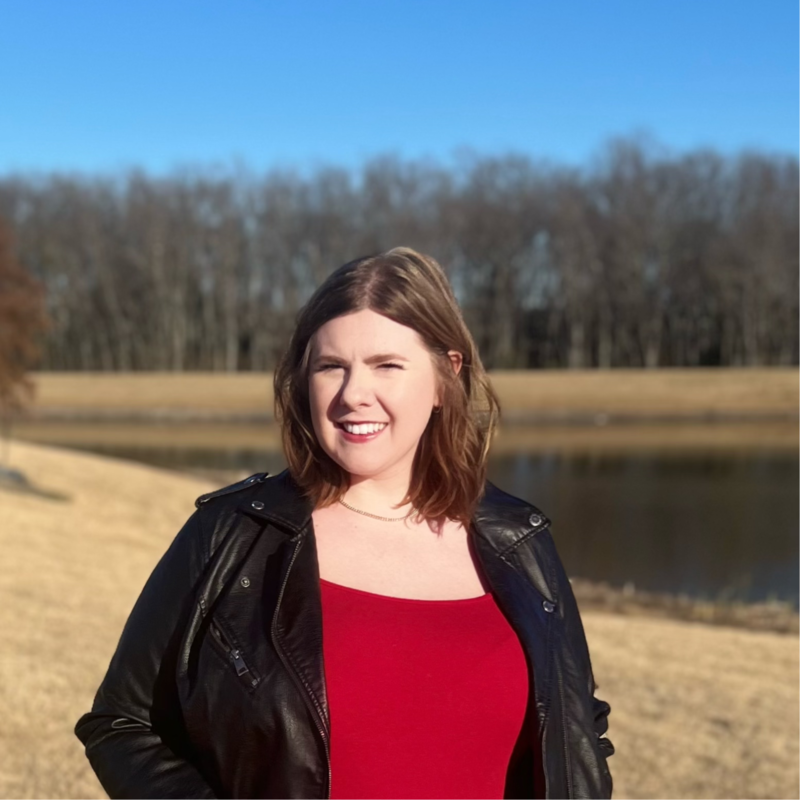
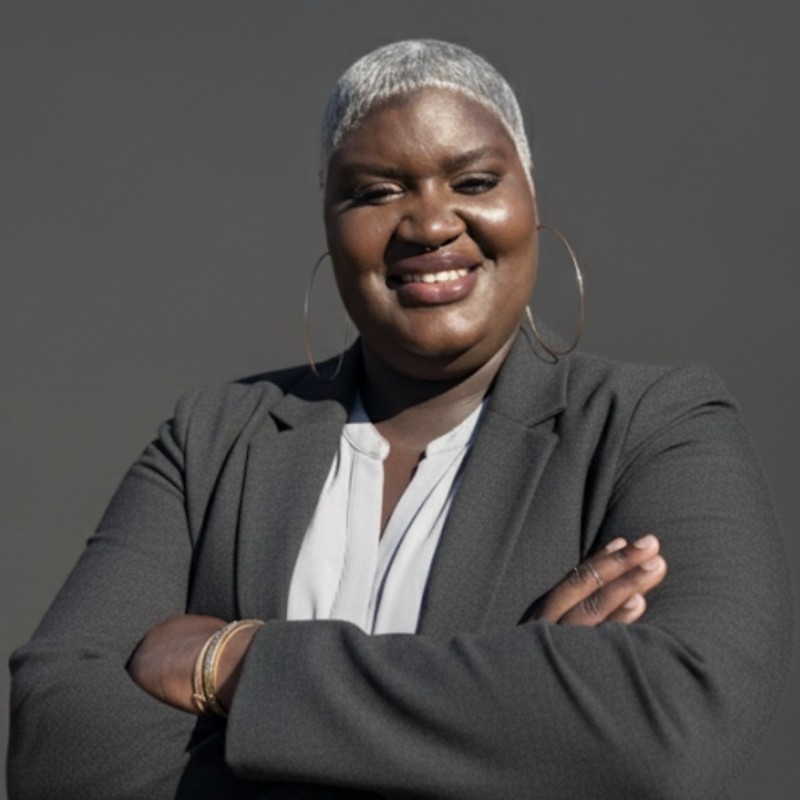


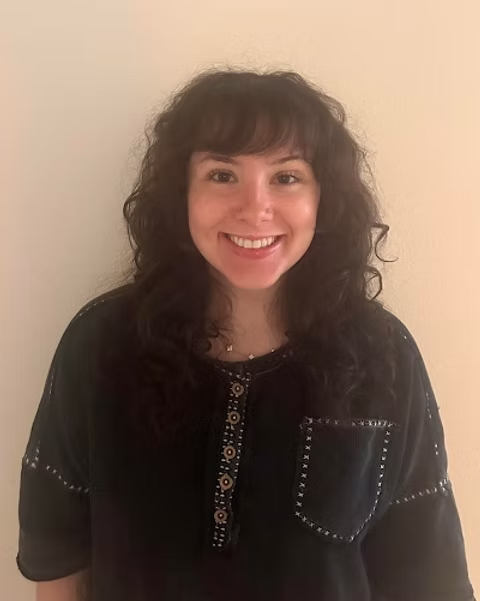



















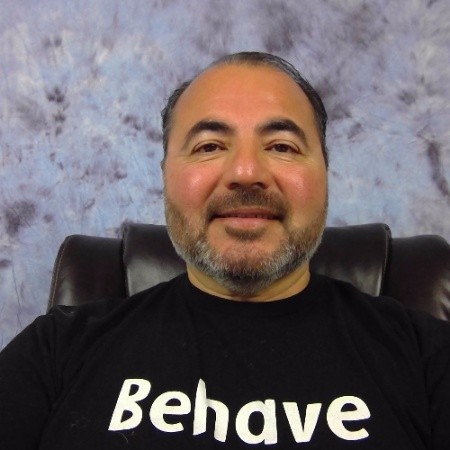
ABA therapy options for North Carolina families





Cities we serve in North Carolina

Wake Forest

Kannapolis

Burlington

Chapel Hill

Huntersville
Jacksonville

Apex

Gastonia

Asheville

Greenville

Concord

High Point

Wilmington

Cary

Fayetteville

Winston-Salem

Durham

Greensboro

Raleigh

Charlotte

Rocky Point
Zebulon

Harrisburg

Mebane

Carrboro

Knightdale

Shelby

Clemmons

Waxhaw
Thomasville

Asheboro

Kernersville

Mint Hill

Statesville
Clayton

Matthews

Morrisville

Sanford

New Bern
Cornelius
Leland

Goldsboro

Salisbury
Garner

Monroe

Indian Trail

Hickory

Fuquay-Varina

Wilson

Holly Springs

Mooresville

Rocky Mount

How ABA therapy works through Alpaca Health
Four steps from your first form to your first session.
1
Tell us about your child
Start with our short intake form. You share the basics: your child's age, your availability, your insurance, and any autism diagnosis you already have. That is all we need to understand where your family is starting from.
2
We verify your insurance
After you submit the form, we verify your insurance and follow up within one business day to confirm the details, so you know what your plan covers before care starts.
3
Get matched with the right provider
We match you with a licensed provider who has availability now. Every provider in our network runs their own independent practice, and you can tell us if you prefer someone specific.
4
Start care the same week
We introduce you directly to your provider, and most families have their first meeting or assessment within the same week. From then on we handle the billing, scheduling, and insurance paperwork in the background, so your provider can focus on your child.

How Alpaca Health is different from large ABA chains
Owned by clinicians
Direct access to your provider
Continuity as your child grows

How Common Is Autism in North Carolina?
If your child was recently diagnosed, you are not alone. Tens of thousands of families across North Carolina are seeking the same support, and understanding the scale helps you advocate for timely ABA therapy instead of accepting long waitlists.
What Alpaca Health's data shows about ABA care across our network
Every number below comes from the sessions, claims, and prior authorizations that partner clinics ran on Alpaca Health between August 2024 and August 2026, across every state we serve. It describes families served by those clinics, not the US ABA market.
Families who owed nothing
69.5%
Share of families nationally whose settled claims carried no patient responsibility. Medicaid plans usually cover it by design, while commercial plans carry deductibles and copays.
Alpaca Health partner-clinic caseload, Aug 2024 to Aug 2026. 896 families across 77 clinics.
Median owed per hour of therapy, commercial plans
$2.71
Patient responsibility owed per delivered hour for families on commercial plans nationally. About four in ten owed nothing at all. Middle half of families: $0 to $12.18.
Alpaca Health partner-clinic caseload, Aug 2024 to Aug 2026. 448 families across 64 clinics.
Independent practices on Alpaca Health
95
Practices run by clinician owners across the country, together serving about 1,400 children with roughly 148,700 hours of therapy delivered in the window.
Alpaca Health platform records, Aug 2024 to Aug 2026.
Median days to a payer decision
16.4
Days from the moment a partner clinic submits a prior authorization to the moment the payer approves or denies it. Middle half of requests: 10 to 26 days.
Alpaca Health partner-clinic caseload, Aug 2024 to Aug 2026. 1,082 families across 81 clinics.
How prior authorizations ended nationally
- Approved69.3%
- Withdrawn before a decision13.8%
- No authorization was needed9.8%
Share of prior authorization requests by outcome. Outcome groups with too few families behind them are not shown, so these shares do not add to 100. 891 families across 78 clinics.
Where therapy hours were delivered
- At home64.9%
- In a clinic office13.3%
- By telehealth8.9%
- At school7.3%
- Other settings5.6%
Share of delivered therapy hours by the place of service billed on each signed session note. Alpaca Health partner-clinic caseload, Aug 2024 to Aug 2026.
Families who had at least one telehealth session
72.4%
Telehealth is a small share of total hours nationally, and most families used it at least once. It fills gaps around illness and travel rather than replacing in-person work.
Alpaca Health partner-clinic caseload, Aug 2024 to Aug 2026. 783 families across 70 clinics.
These figures describe clients of Alpaca Health partner ABA clinics, on the payers Alpaca Health contracts with. They are not measurements of the US ABA market. A figure appears only when at least 25 families from at least 3 clinics sit behind it.
Start ABA therapy nowGetting an autism diagnosis in North Carolina
Insurance and NC Medicaid authorize ABA therapy only after a confirmed autism diagnosis. The fastest route: Alpaca Health offers an ADOS-2 evaluation for children of all ages, with no waitlist. Prefer an outside evaluation? North Carolina has a route for every age. We verify your coverage before you book.
Under age 3
The NC Infant-Toddler Program provides free developmental evaluations for children under 3 through local Children's Developmental Services Agencies. Families can refer their own child. The program assesses developmental need, which is a separate question from a medical autism diagnosis.
 Start your evaluation
All ages
The UNC TEACCH Autism Program runs seven regional centers across North Carolina and evaluates children, adolescents, and adults using tools such as the ADOS-2 and CARS-2. It accepts the same insurance plans as UNC Health.
Age 3 and up
Children 3 and older are evaluated by a developmental pediatrician, a child psychologist, or a psychiatrist. Families on Medicaid are evaluated through their Tailored Plan or Standard Plan network. A school evaluation can support services at school, but insurers do not accept it as the medical diagnosis for ABA therapy.
Recent North Carolina policy changes
What the law does
- Coverage policy: NC Medicaid must update Clinical Coverage Policy 8F for ABA.
- Certification: Paraprofessionals delivering ABA must hold RBT or ABAT certification, with a 120-day grace period for new hires.
- Reviews: Prior authorization and treatment plan oversight tighten.
What the law does not do
- Coverage stays: NC Medicaid still covers medically necessary ABA for children, teens, and adults, and EPSDT still protects children under 21.
- More paperwork: Expect closer review of treatment plans. Coverage itself continues.
- Second opinion: If a provider says this law ends Medicaid ABA therapy, ask your plan or another provider to confirm before making changes.
Why Independent Clinics Matter
In-home ABA that fits your life
- The providers we work with bring therapy to you, wherever your child is most comfortable.
- That might mean home, daycare, school, or virtual sessions. Our flexible care model ensures that therapy integrates into your family’s daily routine, rather than disrupting it.
- Our network is made up of independent, local clinicians who prioritize collaboration, not control, so you stay in charge of your child’s care.
Support for the full pediatric age range
- Many ABA centers stop care when a child turns 8. Not us. We support the full pediatric age range, toddlers to age 21.
- Your child deserves more than short-term support. With Alpaca Health, they can build a long-term relationship with a provider who understands their growth over time and adapts care as their needs evolve.
- We also support your whole family with educational events and resources, including parent webinars, advocacy toolkits, and grant guides.
More care. Less wait.
- Waiting months for ABA shouldn’t be the norm. At Alpaca Health, we help families connect with the right provider in just a few days.
- We work exclusively with independent providers, which allows us to stay flexible and waitlist-free. That means faster assessments, quicker treatment starts, and the end of years-long waits.
- Ready to get started? We’ll handle the paperwork, help coordinate referrals, and walk you through every step.
North Carolina autism community resources
Local programs and organizations that support families alongside ABA therapy.
Frequently asked questions about ABA therapy in North Carolina

Get started with autism care in North Carolina today
Alpaca Health connects families with local BCBAs who provide ABA therapy. We do not run a waitlist.

How ABA therapy works through Alpaca Health
Four simple steps from your first form to your first session. No waitlists, no phone tag, no guesswork.
1
Tell us about your child
Start with our short intake form. You share the basics: your child's age, your availability, your insurance, and any autism diagnosis you already have. That is all we need to understand where your family is starting from.
2
We verify your insurance
After you submit the form, we verify your insurance and follow up within one business day to confirm the details. No long waits, no phone tag.
3
Get matched with the right provider
We match you with a licensed provider who has availability now, not months from now. Prefer someone specific? Tell us, and we will try to make it work. Either way, the fit is built around your child's needs and your family's schedule.
4
Start care the same week
We introduce you directly to your provider, and they take it from there. Most families have their first meeting or assessment within the same week, whether that is in-home ABA therapy or a telehealth session.