


ABA Therapy for Kids
Alpaca Health matches families with independent BCBAs who work with school-age children, in every state we serve. Sessions target what matters between ages 6 and 11, such as following instructions at school, managing frustration and getting along with other children, and we accept private insurance and Medicaid.


What ABA therapy for kids covers
ABA therapy for school-age children builds the skills that school and friendships demand. A Board Certified Behavior Analyst writes the treatment plan, supervises it, and adjusts it as your child progresses. At this age the work leans toward independence, self-management and getting along with peers, and much of it happens in the settings where those demands come up. Most programs at this age also include ABA parent training, so the same expectations hold at home.
What happens in a session with a school-age child
Sessions run for the length your plan authorizes and follow the same treatment plan each time. If your child was recently diagnosed, our guide on what to do after an autism diagnosis covers how care usually begins. Sessions can also run during the school day, which our in-school ABA therapy page explains.

Settling in and setting targets
Your provider checks in, reviews how the week has gone at school and at home, and sets one or two targets for the session.

The working block
Your child works on the target during a real activity, such as homework, a game or a chore. Prompting is reduced as your child manages more of it alone.

Recording data and adjusting
Your provider records what worked against the plan targets. When a target stops moving, the BCBA changes the plan.

What you practice between sessions
You finish with one or two things to practice during the week, usually attached to a routine that already happens.

Choose your child's ABA therapy provider today
Every provider in our network runs their own practice, and every one is a Board Certified Behavior Analyst licensed in the state where your child lives. We will match you with someone who has availability now and works with school-age children.






What families and providers say about working with Alpaca Health

How ABA therapy for kids works through Alpaca Health
Four steps from your first form to your first session, with no waitlist at any point.
1
Tell us about your child
Start with our short intake form. It asks for your child’s age, your availability, your insurance, and any autism diagnosis you already have. That is all we need to understand where your family is starting from.
2
We verify your insurance
After you submit the form, we verify your insurance and follow up within one business day to confirm the details.
3
Get matched with the right provider
We match you with a licensed provider who has current availability. If you have someone specific in mind, tell us and we will try to make it work. The match is built around your child’s needs and your family’s schedule.
4
Start care the same week
We introduce you directly to your provider, and they take it from there. Most families have their first meeting or assessment within the same week.
What Alpaca Health's data shows about school-age clients
These figures come from Alpaca Health platform data covering 1,082 clients across 118 independent provider practices between August 2024 and August 2026.
42.8% of Alpaca Health clients are aged 6 to 11.
25.9% are aged 6 to 8, and 16.9% are aged 9 to 11.
Home sessions account for 64.9% of all therapy hours delivered across the network.
7.3% of therapy hours are delivered at school, which applies mainly to this age group.
Across the network, 77.0% of families have had at least one home session.
42.8%
of Alpaca Health clients are aged 6 to 11.
25.9%
are aged 6 to 8, the single largest age band in the network.
16.9%
are aged 9 to 11. Alpaca Health platform data, 1,082 clients across 118 provider practices, August 2024 to August 2026.
Where Alpaca Health delivers ABA therapy for kids
Alpaca Health works with school-age children in every state we serve, at home, at school and in the community.
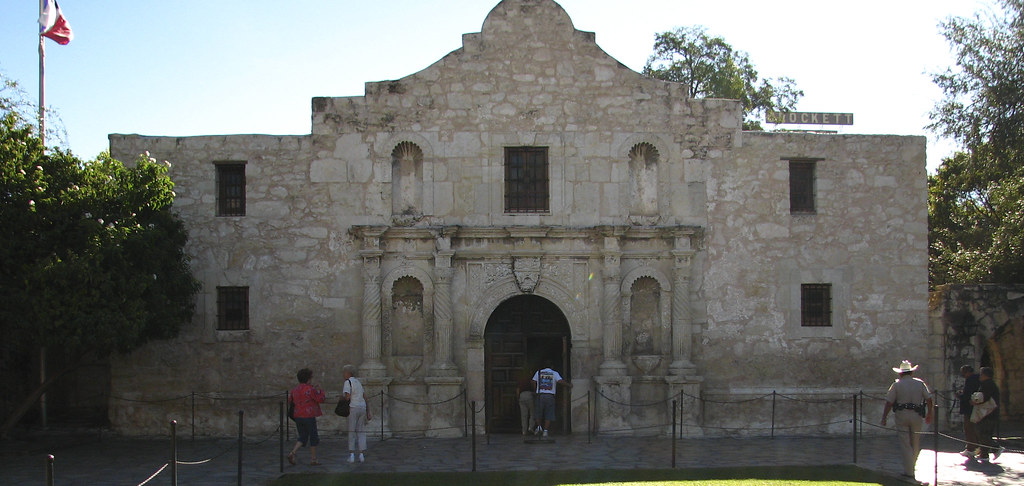
Texas
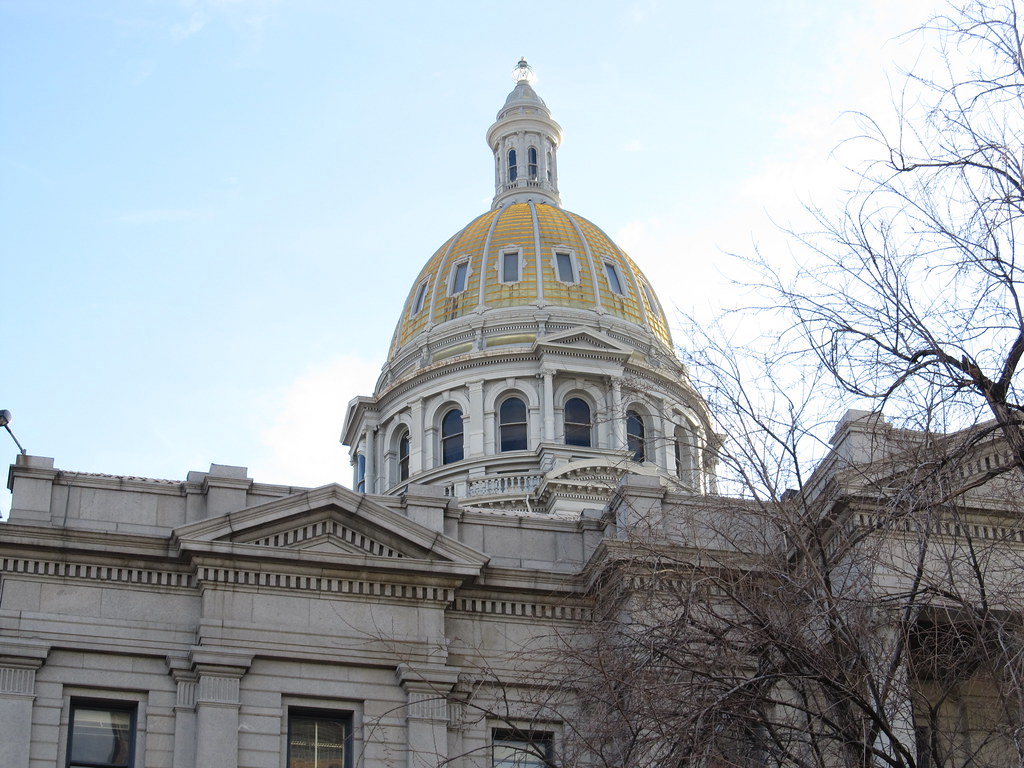
Colorado

North Carolina

Hawaii

Michigan
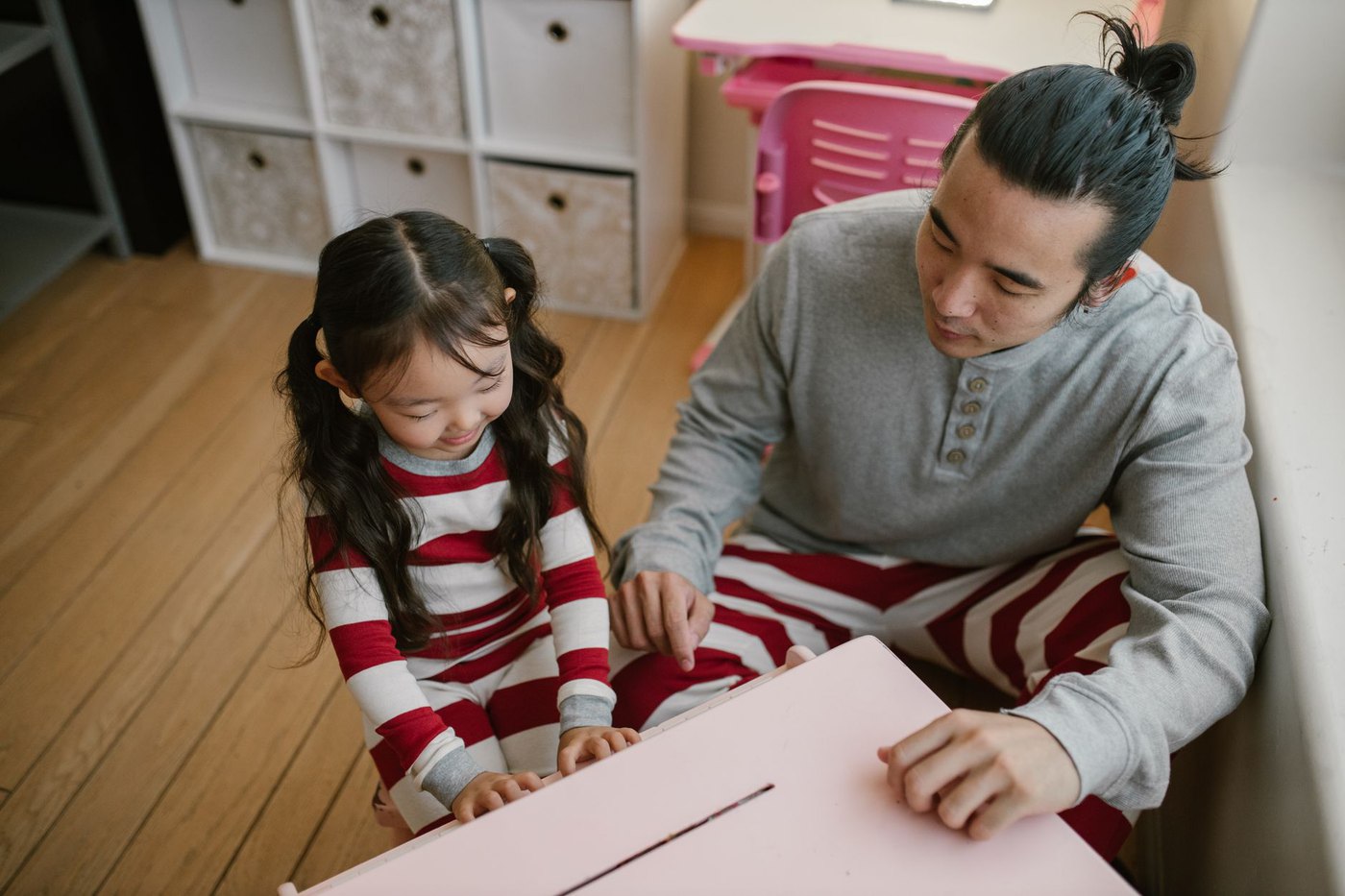
Other settings
Why independent clinics matter
What independent means for your family
The providers we work with aren’t part of a large corporation. They’re small, fully independent clinics, founded and operated by the very clinicians who work with your child.
We do not tell them how to do their job.
Your child’s provider makes care decisions based on what is best for your family. Company policy, quotas and insurance rules do not drive those decisions. Clinical decisions stay between you and your provider.
What we do and what we do not do
We handle the behind-the-scenes work, which covers billing, scheduling and insurance paperwork, so providers can spend their time on care instead of admin.
We do not employ the providers and we do not direct their clinical work.
Our role is to make it easier for independent providers to help your child grow and learn.
Is ABA therapy for kids covered by insurance?


Many major plans cover ABA therapy for school-age children, including Medicaid and private plans. Our guide to ABA therapy that accepts private insurance explains what to check on your policy. Our care team verifies your benefits before services start, explains any copays, and handles the authorization paperwork for you.
Confirm your coverage and authorized hours before therapy starts.
Manage prior authorizations for ABA codes when your plan requires them.
Give you a clear out of pocket estimate before the first session.
Frequently asked questions about ABA therapy for kids
Is my child too old to start ABA therapy?
Children through age 21 can start ABA therapy, and school-age children often make quick progress because they can follow more complex instructions and say what they want. If your child is older than 11, our ABA therapy for teens page covers that age group.
Does insurance cover ABA therapy for school-age children?
Many major plans cover ABA therapy for school-age children, including private plans and Medicaid. Age limits and hour caps vary by plan and state, and our guide to Medicaid coverage for ABA therapy explains how the rules differ. Alpaca Health verifies your benefits before services start, explains any copays, and handles the authorization paperwork for you.
Will my child know they are in therapy?
Most school-age children do know, and your BCBA will explain it in terms your child understands. Sessions are built around activities your child already does, so it rarely feels like a clinic appointment. Older children are often brought into setting their own goals, which tends to help them stay engaged.
Who works with my child, and where do sessions happen?
A Board Certified Behavior Analyst writes and supervises the treatment plan, and sessions are delivered by the BCBA or by a behavior technician the BCBA oversees. Most school-age sessions happen at home after school, though some run at school or in the community. You can check the credentials of every BCBA in the Alpaca Health provider directory.
How do sessions fit around the school day?
Most families book sessions after school or at weekends. Your provider builds the schedule around school hours, clubs and homework, and will tell you if the authorized hours cannot fit into the time available. Some families use in-school ABA therapy instead, so the hours run inside the school day.
What does a session work on at this age?
Common targets at this age are following multi-step instructions, finishing work without constant prompting, managing frustration, and joining in with other children. Sessions also cover self-care that has not caught up yet, such as showering or packing a school bag. Our ABA social skills training page covers the peer-facing side in more detail.
How much does ABA therapy for kids cost?
What you pay depends on your plan and your state, and hour caps at this age vary more than they do for toddlers. Our guide to how much ABA therapy costs breaks down the variables. Alpaca Health gives you an out of pocket estimate before the first session.
How quickly can we start?
Most families have their first session within the same week, and Alpaca Health does not keep a waitlist. After you submit the intake form, we verify your insurance and follow up within one business day, then match you with a Board Certified Behavior Analyst who covers your area.
Which states does Alpaca Health serve?
Alpaca Health serves families in Texas, Colorado, North Carolina, Hawaii and Michigan. Your Board Certified Behavior Analyst needs to be licensed in the state where your child lives. Each state page lists the cities we cover.
How many hours a week does my child need?
That is set by your child's assessment and by what your plan authorizes. School-age children usually receive fewer hours than toddlers, because they are in school for most of the day. Our guide to weekly therapy hours explains how the number is decided.
Start ABA therapy for your child with Alpaca Health
Tell us about your child and we will confirm your insurance coverage and match you with a licensed BCBA who has availability now. Sessions run at home, at school or in the community, in every state we serve.