



Alpaca Health matches Charlotte families with independent BCBAs. Get in-home ABA therapy across Charlotte and nearby towns, from Huntersville to Matthews to Mint Hill, or telehealth anywhere in North Carolina. We verify NC Medicaid and private insurance before you begin, we do not run a waitlist, and most families start the same week.


Clinically reviewed by
Samantha Ridout, M.Phil., BCBA, LBA-NYS· BACB certification #1-22-57709 · Last updated August 2026
Accepted insurance



Choose your Charlotte BCBA for your child
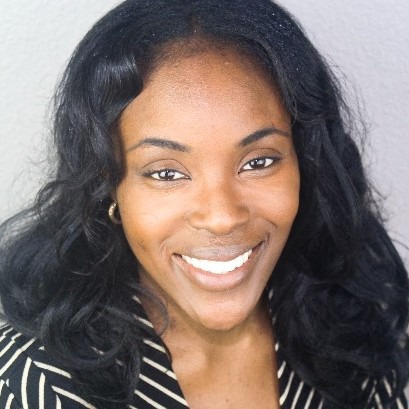
Senora Bivins, MA, BCBA, LBA, is the founder and clinical director of Bridging Voices Therapeutic Services. Her work focuses on IEP advocacy and school collaboration, crisis intervention and behavior support, and AAC.
Book a consultationView profile
Ruby Ladrido, BCBA, is the founder of Ruby's Nest: Therapy Services. A proud Filipina and Board Certified Behavior Analyst, Ruby has dedicated a career to helping children with autism and supporting their families.
Book a consultationView profile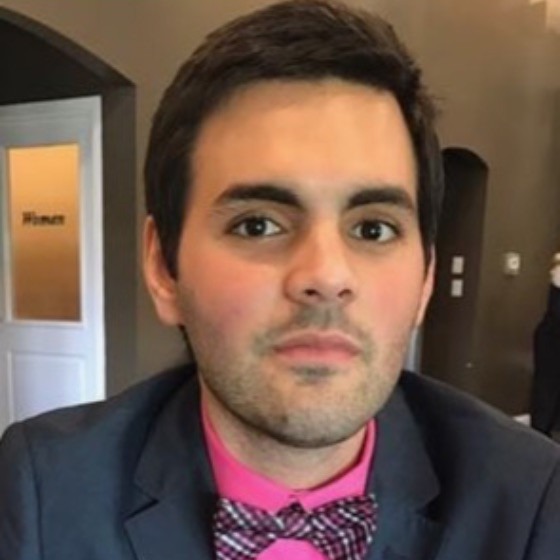
Javier Herrera, BCBA, is a Board Certified Behavior Analyst based in Charlotte, NC, and the founder of Mighty Minds ABA. Javier listens first, then builds meaningful plans that fit the child, as a partner to the whole family.
Book a consultationView profile
Harmony Davidson, M.A., BCBA, QBA, is a Board Certified Behavior Analyst with The Progress Lab. Her approach is collaborative and assent-led, and she helps clients build skills in the places they use them, from home and school to stores, gyms, and the community.
Book a consultationView profile
Eric Shults, BCBA, of Mountainside Autism, started in behavior analysis in 1994 and became a Board Certified Behavior Analyst in 2002. Eric specializes in working with children who are dually diagnosed and in need of behavior reduction.
Book a consultationView profile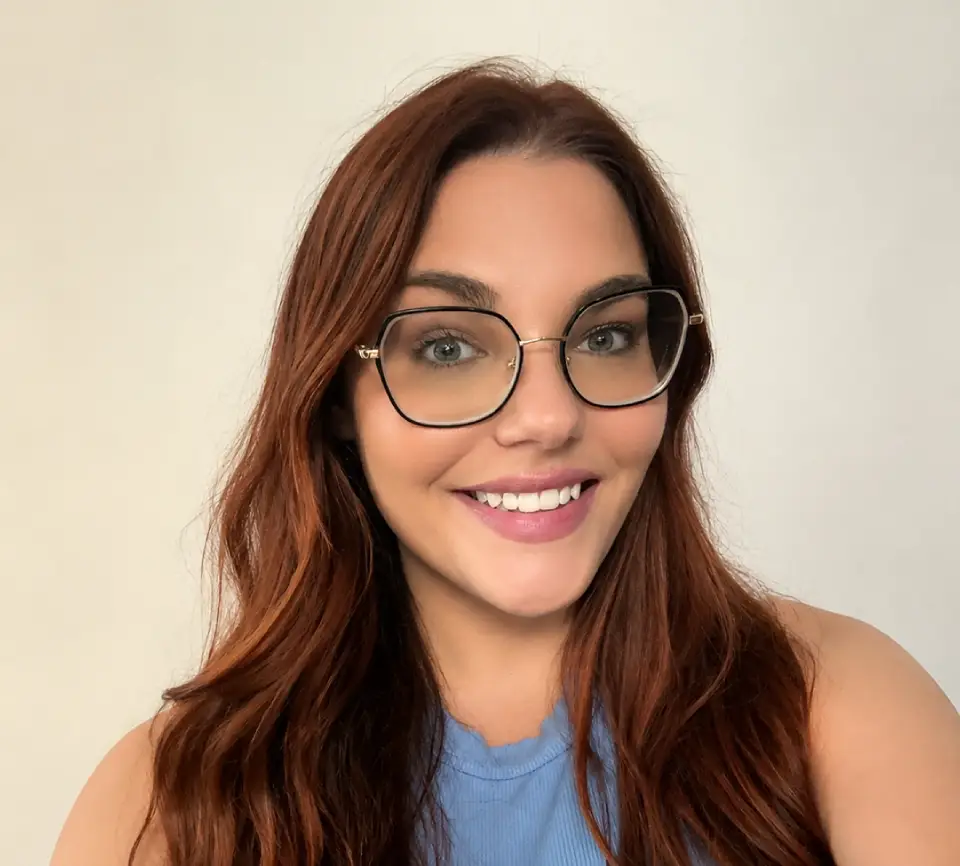
Alina Lovano, BCBA, is a Board Certified Behavior Analyst with more than a decade of experience in ABA. Her care is neuro-affirming, family-centered, and assent-based, and as a mom to a child with autism she brings a personal understanding of what families experience.
Book a consultationView profile
Irmelle I. Norvil, M.S., QBA, LBA, is the founder and owner of INN Behavioral Centers Inc., delivering individualized, culturally responsive ABA therapy and hands-on parent training for children ages 2 to 12 across North Carolina, Texas, and Colorado.
Book a consultationView profile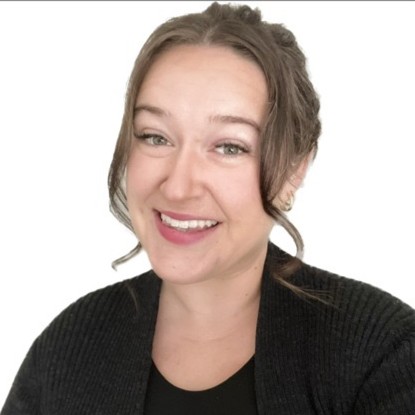
Hi! I'm Gretchen, a Board Certified Behavior Analyst (BCBA) and co-owner of The Anchored Path. I value function over fashion when it comes to ABA. After a decade of ABA experience, I have learned that it is important to have clients be successful outside of ABA by creating lasting changes.
Book a consultationView profile
Danielle Virnelson is a Board Certified Behavior Analyst and founder of Ascent Pediatric Group, where she provides compassionate, family-centered ABA therapy and caregiver support.
Book a consultationView profile
Dr. Lisa Drumb, PhD, BCBA, LBA, is a clinical leader and educator with over a decade of experience in Applied Behavior Analysis and special education. She serves as Vice President of Clinical Operations and teaches ABA at Capella University, where she mentors future behavior analysts.
Book a consultationView profile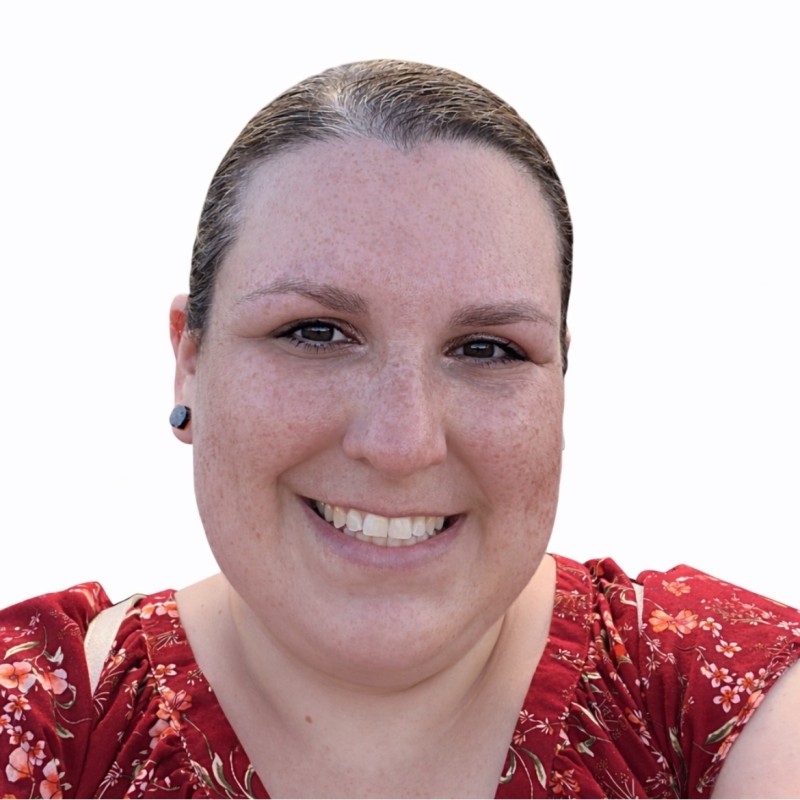
Hi! I'm Jessica, a Board Certified Behavior Analyst (BCBA) and co-owner of The Anchored Path. I specialize in working with children on the autism spectrum and their families. Every child deserves to feel supported, understood, and empowered to grow at their own pace.
Book a consultationView profileABA therapy options for Charlotte families
In-school and in-daycare ABA: therapy integrated into your child's daily routine
Virtual ABA therapy: BCBA-coached telehealth sessions from home
Autism evaluations: ADOS-2 diagnostic assessments, coverage verified first
Parent training: twice-monthly Family Guidance sessions with your child's BCBA
Which setting fits your family? Tell us during signup and we will say plainly what is available at your address. Most families start with start in-home across the metro, and virtual ABA therapy reaches any North Carolina address the same week.


How ABA therapy works through Alpaca Health
Four simple steps from your first form to your first session. No waitlists, no phone tag, no guesswork.
1
Tell us about your child
Start with our short intake form. You share the basics: your child's age, your availability, your insurance, and any autism diagnosis you already have. That is all we need to understand where your family is starting from.
2
We verify your insurance
After you submit the form, we verify your insurance and follow up within one business day to confirm the details. No long waits, no phone tag.
3
Get matched with the right provider
We match you with a licensed provider who has availability now, not months from now. Prefer someone specific? Tell us, and we will try to make it work. Either way, the fit is built around your child's needs and your family's schedule.
4
Start care the same week
We introduce you directly to your provider, and they take it from there. Most families have their first meeting or assessment within the same week, whether that is in-home ABA therapy or a telehealth session.

We accept most insurance providers and handle verification, prior authorization, and paperwork.
Don't see your plan? Check all accepted insurances
Alpaca Health accepts the plans shown above, and we confirm your exact benefits before you commit to anything. Families who want the coverage mechanics in more depth can read about using NC Medicaid for ABA.
What Alpaca Health's data shows about ABA care across our network
Every number below comes from the sessions, claims, and prior authorizations that partner clinics ran on Alpaca Health between August 2024 and August 2026, across every state we serve. It describes families served by those clinics, not the US ABA market.
Families who owed nothing
69.5%
Share of families nationally whose settled claims carried no patient responsibility. Medicaid plans usually cover it by design, while commercial plans carry deductibles and copays.
Alpaca Health partner-clinic caseload, Aug 2024 to Aug 2026. 896 families across 77 clinics.
Median owed per hour of therapy, commercial plans
$2.71
Patient responsibility owed per delivered hour for families on commercial plans nationally. About four in ten owed nothing at all. Middle half of families: $0 to $12.18.
Alpaca Health partner-clinic caseload, Aug 2024 to Aug 2026. 448 families across 64 clinics.
Independent practices on Alpaca Health
95
Practices run by clinician owners across the country, together serving about 1,400 children with roughly 148,700 hours of therapy delivered in the window.
Alpaca Health platform records, Aug 2024 to Aug 2026.
Median days to a payer decision
16.4
Days from the moment a partner clinic submits a prior authorization to the moment the payer approves or denies it. Middle half of requests: 10 to 26 days.
Alpaca Health partner-clinic caseload, Aug 2024 to Aug 2026. 1,082 families across 81 clinics.
How prior authorizations ended nationally
- Approved69.3%
- Withdrawn before a decision13.8%
- No authorization was needed9.8%
Share of prior authorization requests by outcome. Outcome groups with too few families behind them are not shown, so these shares do not add to 100. 891 families across 78 clinics.
Where therapy hours were delivered
- At home64.9%
- In a clinic office13.3%
- By telehealth8.9%
- At school7.3%
- Other settings5.6%
Share of delivered therapy hours by the place of service billed on each signed session note. Alpaca Health partner-clinic caseload, Aug 2024 to Aug 2026.
Families who had at least one telehealth session
72.4%
Telehealth is a small share of total hours nationally, and most families used it at least once. It fills gaps around illness and travel rather than replacing in-person work.
Alpaca Health partner-clinic caseload, Aug 2024 to Aug 2026. 783 families across 70 clinics.
These figures describe clients of Alpaca Health partner ABA clinics, on the payers Alpaca Health contracts with. They are not measurements of the US ABA market. A figure appears only when at least 25 families from at least 3 clinics sit behind it.
Start ABA therapy nowGetting an autism diagnosis in Charlotte
Insurance and NC Medicaid authorize ABA therapy only after a confirmed autism diagnosis. The fastest route: Alpaca Health offers an ADOS-2 evaluation for children of all ages, with no waitlist. Prefer an outside evaluation? Charlotte has a route for every age. We verify your coverage before you book.
Under age 3
The Children's Developmental Services Agency of Mecklenburg County provides free early-intervention evaluations through the NC Infant-Toddler Program. No referral or diagnosis is needed. Call 704-336-7100.
 Start your evaluation
All ages
The UNC TEACCH Charlotte Center evaluates children, adolescents, and adults using tools such as the ADOS and CARS-2. It is state-supported and bills accepted insurance.
Age 3 and up
Novant Health and Atrium Health developmental and behavioral pediatrics, plus private psychology practices, diagnose using the ADOS-2. Waits run months, so join more than one list.
Recent North Carolina policy changes
What the law does
- Coverage policy: NC Medicaid must update Clinical Coverage Policy 8F for ABA.
- Certification: Paraprofessionals delivering ABA must hold RBT or ABAT certification, with a 120-day grace period for new hires.
- Reviews: Prior authorization and treatment plan oversight tighten.
What the law does not do
- Coverage stays: NC Medicaid still covers medically necessary ABA for children, teens, and adults, and EPSDT still protects children under 21.
- More paperwork: Expect closer review of treatment plans. Coverage itself continues.
- Second opinion: If a provider says this law ends Medicaid ABA therapy, ask your plan or another provider to confirm before making changes.

Local programs and organizations that support families alongside ABA therapy.

Local lead agency for North Carolina's Infant-Toddler Program. Provides free evaluations and early intervention services for children birth to age 3 with developmental delays.
Public school district serving families in North Carolina. Coordinates IEPs, classroom accommodations, and special education services for students with autism.
Free 24/7 phone, text, and chat support for anyone in suicidal crisis or emotional distress. Call or text 988.
North Carolina Local Management Entity / Managed Care Organization. Runs the NC Medicaid Tailored Plan and provides a 24/7 behavioral health crisis line for mental health, I/DD, and substance use emergencies.
Statewide autism nonprofit whose Charlotte-based Autism Resource Specialists help families find services, plus respite and skill-building programs.
University-based regional center offering autism diagnostic evaluations, intervention, and parent training across the lifespan.
Local nonprofit providing residential, community support, respite, and vocational services for children and adults with autism in the Charlotte region.
Charlotte-area nonprofit providing therapy grants, emergency financial aid, and camp/holiday assistance to autism families across the Carolinas.
The public managed-care organization for Mecklenburg County administering Medicaid behavioral health and IDD services, including NC Innovations Waiver access.
County Park & Recreation program offering adaptive sports, summer camps, and inclusive recreation for youth and adults with disabilities.
North Carolina's Parent Training & Information Center offering free help navigating special education, IEPs, disability rights, and transition to adulthood.
Why independent clinics matter
In-home ABA that fits your life
- The providers we work with bring therapy to you, wherever your child is most comfortable.
- That might mean home, daycare, school, or virtual sessions. Our flexible care model ensures that therapy integrates into your family’s daily routine, rather than disrupting it.
- Our network is made up of independent, local clinicians who prioritize collaboration, not control, so you stay in charge of your child’s care.
Support for the full pediatric age range
- Many ABA centers stop care when a child turns 8. Not us. We support the full pediatric age range, toddlers to age 21.
- Your child deserves more than short-term support. With Alpaca Health, they can build a long-term relationship with a provider who understands their growth over time and adapts care as their needs evolve.
- We also support your whole family with educational events and resources, including parent webinars, advocacy toolkits, and grant guides.
More care. Less wait.
- Waiting months for ABA shouldn’t be the norm. At Alpaca Health, we help families connect with the right provider in just a few days.
- We work exclusively with independent providers, which allows us to stay flexible and waitlist-free. That means faster assessments, quicker treatment starts, and the end of years-long waits.
- Ready to get started? We’ll handle the paperwork, help coordinate referrals, and walk you through every step.
How much does ABA therapy cost in Charlotte?
It depends on your coverage. NC Medicaid covers ABA with no dollar cap through age 20. State-regulated private plans cover it too, with an annual limit that adjusts each year and may apply up to age 18.
Alpaca Health verifies your benefits before you start, so you know your costs up front. See what ABA therapy costs, or check your Charlotte coverage.
What areas around Charlotte do you serve?
Alpaca Health provides in-home ABA therapy across Charlotte, Huntersville, Matthews, Mint Hill, Harrisburg, Indian Trail, and Concord, plus telehealth anywhere in North Carolina.