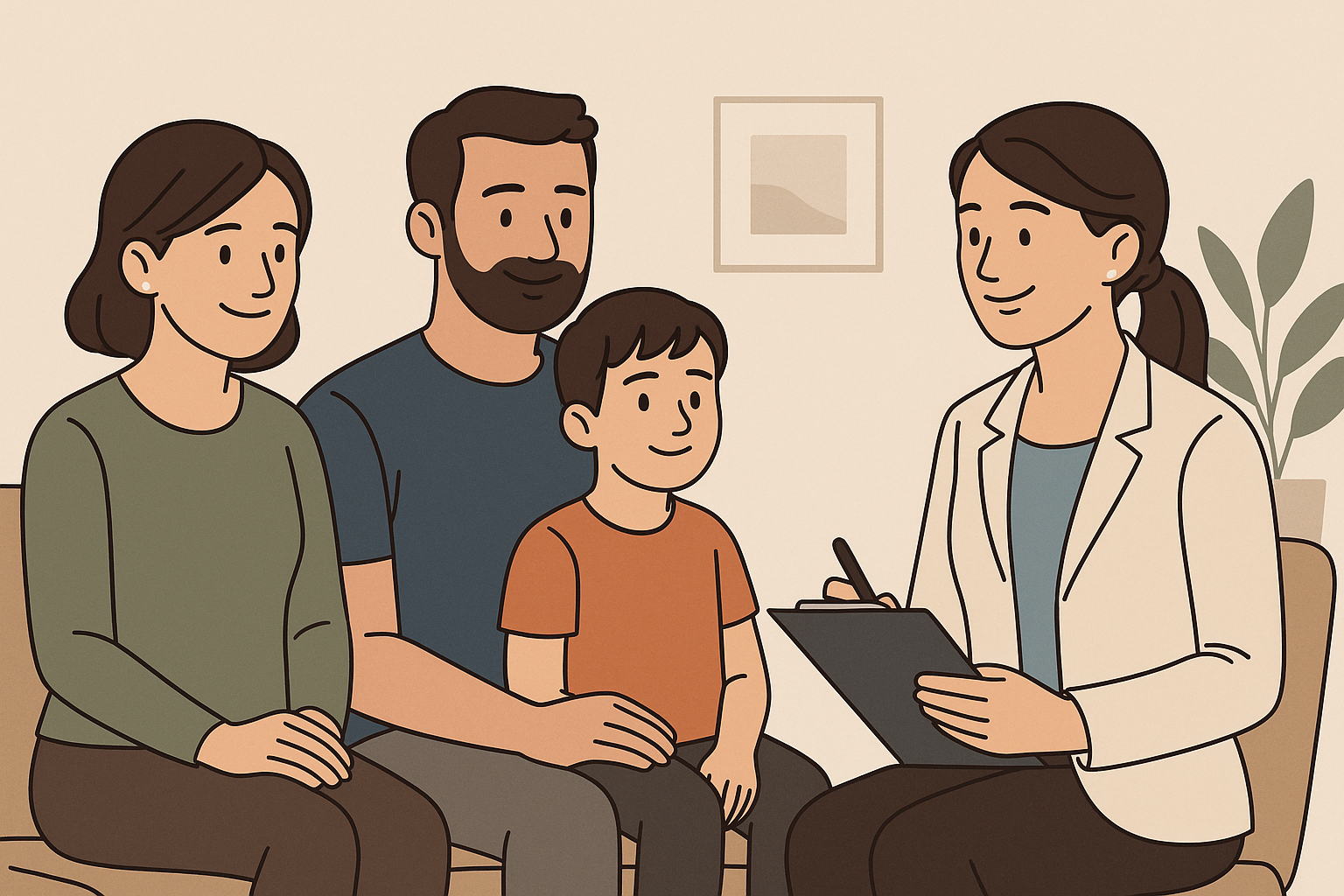






Inviting a therapist into your home is a significant and personal decision. You’re not just starting a service; you’re building a partnership centered around your child’s growth. With that comes a lot of curiosity about the day-to-day process. Many parents ask us, ‘what does an in-home ABA session look like?’ The answer is that it looks like your life, but with an expert guide there to help your child build new skills. It’s a collaborative process where daily routines, from snack time to getting ready for bed, become opportunities for learning. The focus is on using the familiar comfort of your home to help your child practice communication, social, and life skills with confidence.
Key Takeaways
- Therapy is Tailored to Your Child and Family: Effective ABA therapy is a flexible approach customized to your child’s unique personality and your family’s specific goals, using their interests to make learning engaging and meaningful.
- You Are a Vital Part of the Therapy Team: Your involvement is essential for success. By participating in sessions and consistently applying strategies in daily routines, you help your child generalize new skills and make lasting progress.
- Learning is Integrated into Everyday Life: In-home sessions blend structured activities with natural, play-based learning, using your home environment to teach practical skills—from morning routines to social interactions—right where they happen.
What Is Applied Behavior Analysis (ABA) Therapy?
If you’re exploring support for your child, you’ve likely come across the term Applied Behavior Analysis, or ABA. At its core, ABA therapy is a proven approach designed to help children with Autism Spectrum Disorder learn valuable skills and reduce challenging behaviors. Think of it as a way to build a toolkit for life. The therapy focuses on teaching essential skills like communicating, playing with others, and developing social connections. It’s not about changing who your child is; it’s about giving them the tools they need to thrive.
The entire approach is built on positive reinforcement. When a child learns a new skill or uses a positive behavior, they receive a reward—like praise, a favorite toy, or a fun activity. This makes learning feel encouraging and fun. By breaking down complex skills into small, manageable steps, ABA helps children build confidence as they master each one. At Alpaca Health, we offer a range of ABA therapy services that can be tailored to your child’s unique needs, whether at home, in school, or in the community. The goal is always the same: to support your child’s growth in a way that feels right for them and your family.
What's the Science Behind ABA?
It’s completely normal to want to know that the therapy you choose for your child is effective and backed by research. ABA is the most widely recommended therapy for autism, supported by decades of scientific studies and endorsements from leading health organizations, including the U.S. Surgeon General. This isn't a new or experimental trend; it's a well-established science focused on understanding behavior and learning.
The "applied" part of the name means it’s practical and focused on making a real-world difference in your child's daily life. Our mission is to connect you with clinicians who use this evidence-based practice to create meaningful, positive change. You can feel confident knowing that the strategies used in your child’s sessions are grounded in proven principles.
How Does ABA Therapy Work?
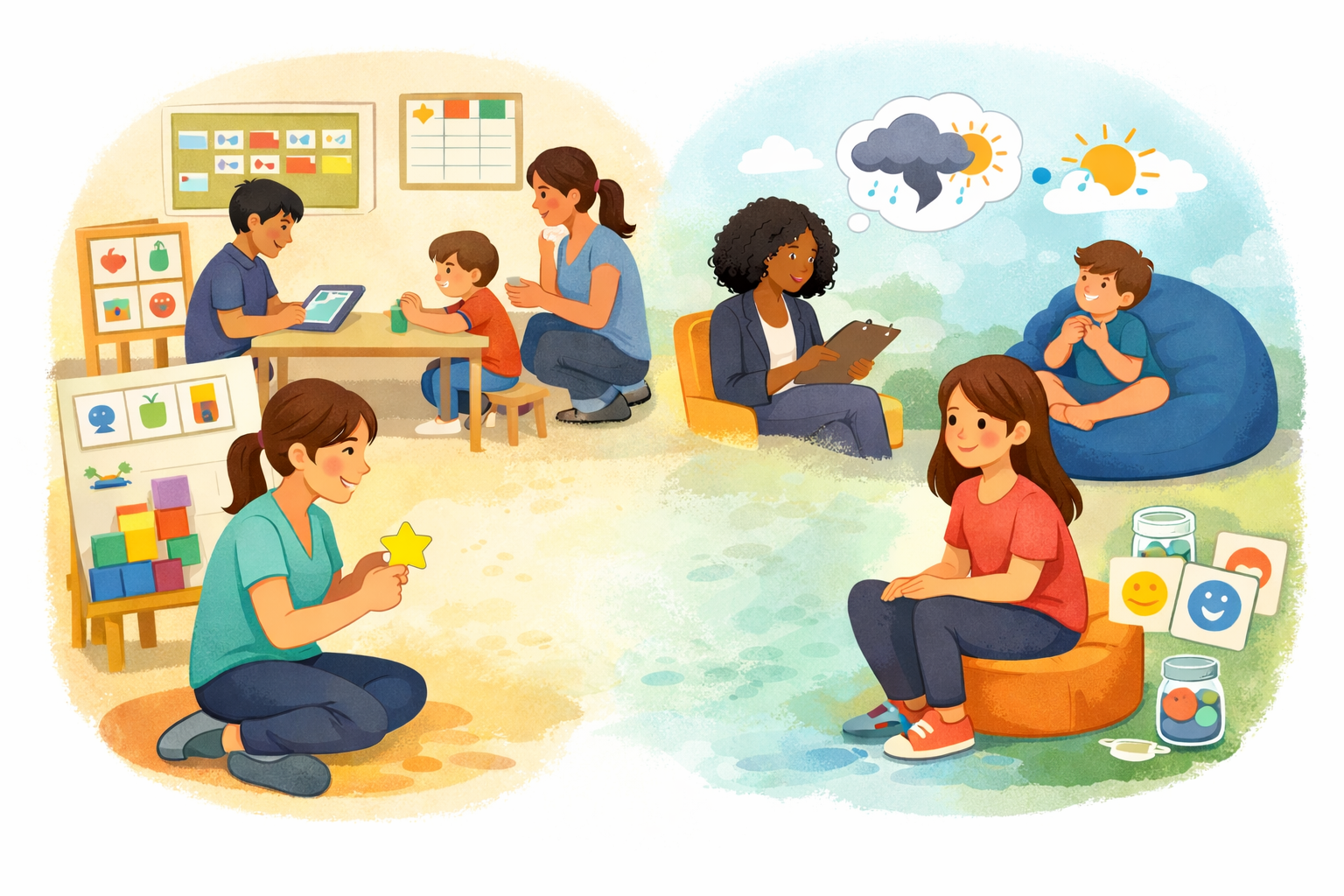
So, what does ABA actually look like in practice? Therapists use a few different teaching styles, and a good plan will often blend them to match your child’s needs. One common method is Discrete Trial Training (DTT), which is a more structured approach. During DTT, a therapist might sit with your child at a table and work on a specific skill by breaking it down into simple steps.
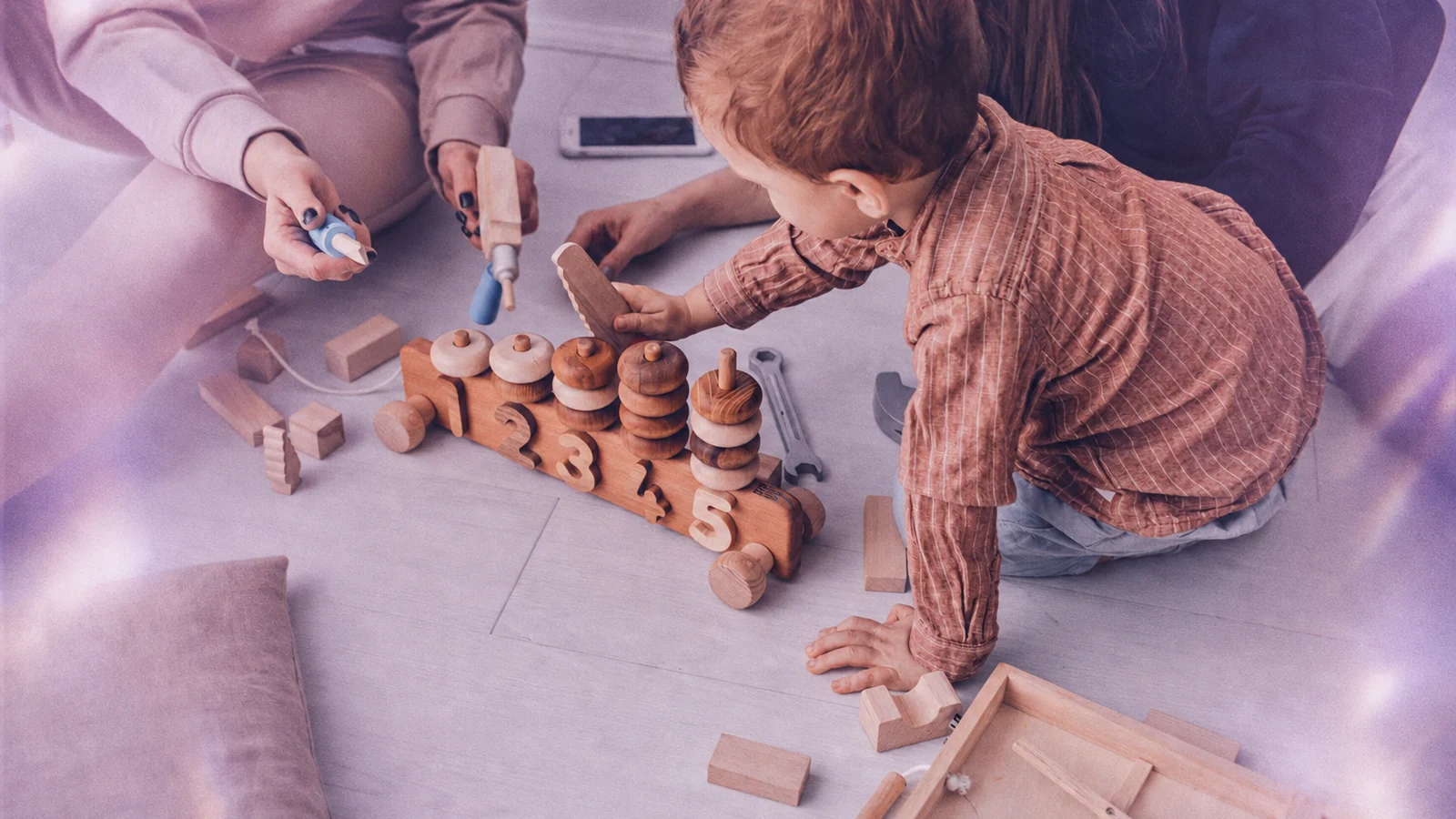
Another key method is Natural Environment Training (NET). This is where the magic of in-home therapy really shines. Instead of a formal lesson, the therapist uses everyday activities and playtime to teach new skills. For example, they might practice color identification while playing with blocks or work on communication skills during snack time. Both styles use positive reinforcement to celebrate successes and make learning a rewarding experience.
You don't have to figure this out alone.
Alpaca Health matches your family with a vetted, in-network BCBA, often within days and with no waitlist. We handle the insurance paperwork so you can focus on your child.
Get matched with a BCBA →
What to Expect During an In-Home ABA Session
It’s completely normal to wonder what will actually happen when a therapist comes to your home for the first time. While every session is tailored to your child’s unique personality and goals, there’s a general rhythm and structure you can anticipate. The main goal of in-home ABA therapy is to help your child learn and practice important skills in the place where they'll use them most. This approach makes learning feel more natural and helps new skills stick.
Think of it as home-field advantage for your child. They’re in a familiar, comfortable space, which can make it easier for them to engage and learn. Instead of trying to apply skills learned in a clinic to their home life, they get to practice in real-time, with their own toys, at their own kitchen table, and with their family nearby. From the moment the therapist arrives, the focus is on creating a positive, supportive, and productive environment for your child to thrive.
A Look at a Typical Session
The first thing a therapist will do is connect with your child. They’ll start the session with fun games and activities to build a trusting and comfortable relationship—a process we call building rapport. This ensures your child feels safe and happy to participate. Once your child is warmed up, the therapist will gently transition into the planned activities for the day. Because the therapy happens at home, it’s the perfect setting to work on daily routines and family interactions. Whether it’s practicing morning hygiene, learning to share toys with a sibling, or working on communication during mealtime, the skills are taught in the context of real life.
How Long and How Often Are Sessions?
The length and frequency of ABA sessions depend entirely on your child’s individual needs and the goals outlined in their treatment plan. A session could be as short as one hour or last up to four hours. The schedule is something you and your clinical team will decide on together. For younger children, therapy often looks a lot like structured playtime, using games to teach new skills. As children get older, the sessions may become more structured, similar to a one-on-one lesson. The key is that all our ABA therapy services are flexible and adapt to what works best for your child and your family’s routine.
Making Your Home a Great Therapy Space
You don’t need a dedicated classroom to have successful in-home sessions. The most important thing is to create a space that is comfortable, organized, and relatively quiet. This could be a corner of the living room or playroom. Try to have a clean, well-lit area with your child’s favorite toys and therapy materials nearby. Minimizing distractions like the TV or tablets during session time can make a big difference. Your therapist can give you specific suggestions, but the goal is simply to set up a positive learning environment where your child can focus and feel at ease. For more ideas, you can always check out our family resources.
Turn these ideas into a plan built for your child.
Activities at home are a great start, and a Board Certified Behavior Analyst can shape them into a program around your child's real goals. Alpaca Health matches you with one, often within days.
Get matched with a BCBA →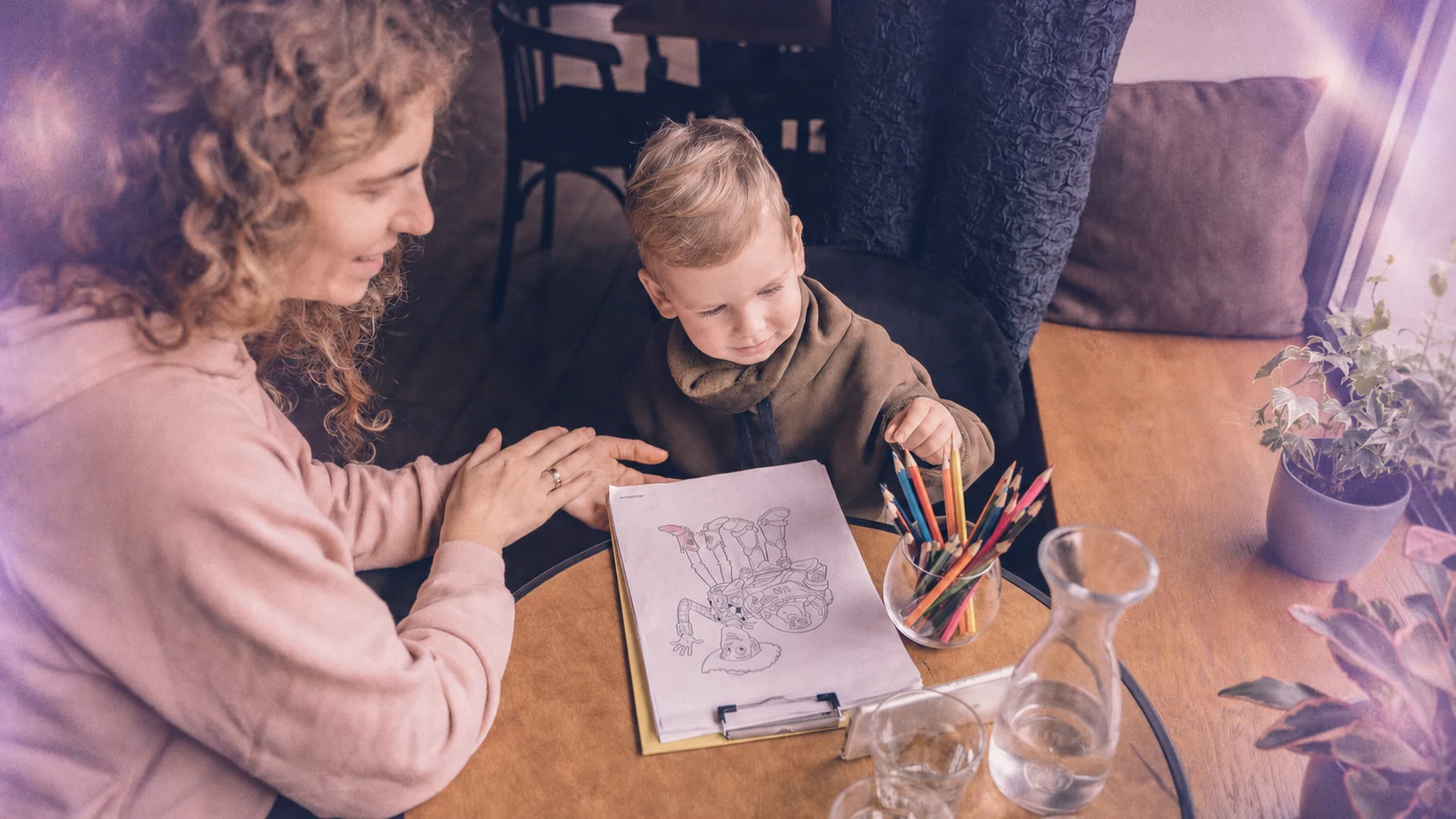
What Activities Happen in In-Home ABA Sessions?
One of the best things about in-home ABA therapy is that it unfolds right in your child’s natural environment. This means a session isn’t just one single activity; it’s a dynamic blend of different approaches designed to feel like a natural part of your child’s day. Your therapist will create a session plan that mixes structured learning with play-based activities and real-world practice, all centered around your child's unique personality and interests. The goal is to keep your child engaged and motivated by incorporating the things they already love, whether that’s dinosaurs, building blocks, or art.
Every session is flexible and adapts to your child’s needs on that particular day. If they have a lot of energy, the therapist might focus more on active play. If they’re feeling calm and focused, it might be a great time for some table work. This personalized approach ensures that every moment is a chance to learn and grow in a way that feels supportive and fun. The activities are carefully chosen to work on your child’s specific goals, from communication and social skills to daily living routines. It’s a collaborative process where the therapist uses the familiar comfort of your home to help your child build new skills with confidence.
Structured Learning Activities
While a lot of learning happens through play, some skills are best taught in a more focused way. This is where structured learning activities come in. Often, this might look like sitting at a table for a short period to work on a specific task, free from the distractions of the TV or other toys. The goal is to create a clear and simple environment where your child can concentrate on mastering a new skill. These activities are always tailored to your child. It could involve sorting picture cards to build vocabulary, practicing writing their name, or using puzzles to develop fine motor skills. Your therapist will use positive reinforcement, like praise or a small reward, to keep your child motivated and make learning feel like an accomplishment.
Learning Through Play
Play is the natural language of childhood, which is why it’s a cornerstone of in-home ABA therapy. Therapists are experts at weaving learning opportunities into fun, engaging activities. This approach, often called Natural Environment Teaching (NET), helps children learn skills in a more relaxed and spontaneous way. It also helps them apply what they’ve learned to different situations. For example, playing with a dollhouse can become a lesson in social skills and vocabulary as the therapist guides a conversation between the dolls. Building with LEGOs can be a chance to practice colors, counting, and taking turns. By using your child’s favorite toys and games, the therapist makes learning feel effortless and fun, which helps skills stick.
Practicing Everyday Skills
Your home is the perfect classroom for learning essential life skills. A major benefit of in-home ABA therapy is the ability to practice daily routines right where they happen. Your therapist can work with your child on everything from their morning routine to getting ready for bed. This hands-on practice helps build independence and confidence in a real-world setting. Activities can include learning to brush their teeth properly, washing their hands, getting dressed, or helping with simple chores like putting away toys. For older children, it might involve learning to make a simple snack or manage their homework schedule. By breaking these tasks into small, achievable steps, the therapist helps your child master the routines that are a part of everyday family life.
Building Social and Communication Skills
In-home therapy provides a unique opportunity to work on social and communication skills within the family unit. Your therapist can observe how your child interacts with you and their siblings and provide on-the-spot coaching and support. This helps the whole family learn effective ways to communicate and connect with each other. A session might involve practicing how to ask for a toy instead of grabbing it, learning to take turns during a family game night, or working on holding a conversation during dinner. The therapist can model appropriate social behaviors and create scenarios that encourage your child to practice communication. This focus on family interaction is key to helping your child build stronger relationships and navigate social situations with more confidence.
How Therapists Customize Sessions for Your Child
One of the best things about ABA therapy is that it’s never a one-size-fits-all approach. Your child is unique, and their therapy plan should be, too. Our clinicians are dedicated to creating a personalized plan that fits your child’s personality, strengths, and specific needs. This customization is what makes the therapy effective and engaging. It all starts with getting to know your family and understanding what success looks like for you.
Starting with an Assessment
Before therapy begins, the first step is always a thoughtful assessment. Your therapist will spend time getting to know your child by observing how they play, communicate, and interact with others in their natural environment. They’ll also chat with you to learn about your child’s routines, what they love, and where they shine. This isn’t a test, but rather a way for the therapist to get a complete picture of your child. This initial process helps us understand their current skills and identify the areas where we can provide the most support.
Setting Personalized Goals
Once the assessment is complete, your therapist will sit down with you to set clear, meaningful goals. This is a team effort. Based on their observations and your family’s priorities, you’ll work together to decide what to focus on. These goals might be related to building communication skills, mastering self-care routines like brushing teeth, or learning how to share with a sibling. The goals we set are concrete and achievable, creating a roadmap for your child’s progress and ensuring therapy is always aligned with what matters most to your family.
Tailoring Therapy to Your Child's Style
Every child learns differently, so our therapists adapt their teaching style to match your child’s needs. ABA therapy often uses a blend of two main approaches: Discrete Trial Training (DTT) and Natural Environment Training (NET). DTT is a more structured method that breaks skills down into small, manageable steps, often practiced at a table. NET is more play-based, weaving learning opportunities into your child’s favorite activities and daily routines. This flexible combination makes learning feel natural and fun, helping your child stay engaged throughout their therapy sessions.
Using Your Home as a Learning Tool
One of the biggest advantages of in-home ABA therapy is that it takes place right where life happens. Your home becomes the classroom, which is perfect for practicing skills in the exact setting where your child will use them. Whether it’s learning a morning routine in their own bedroom or practicing table manners in your kitchen, the skills become more meaningful. This approach helps children generalize what they’ve learned, making it easier to apply new skills to different situations and allowing the whole family to be involved.
What Is the Parent's Role in In-Home ABA?
When you choose in-home ABA therapy, you’re not just signing your child up for a service—you’re inviting a partner into your home to work alongside your family. Your role is absolutely essential. Think of yourself as a key player on your child’s team, not a spectator on the sidelines. The progress your child makes is deeply connected to your involvement, as the skills they learn in sessions need to carry over into everyday life. Family-focused ABA therapy is crucial for comprehensive support, and it’s designed to make you an integral part of your child’s journey. This isn't about adding more to your plate; it's about empowering you with the tools to make a lasting difference.
Your partnership with the therapist is built on three core ideas: participating actively in sessions, applying new techniques consistently, and working together to set and achieve meaningful goals. By embracing this role, you help create a supportive environment where your child can truly thrive. At Alpaca Health, our entire mission is centered on this kind of collaborative care, connecting you with local clinicians who value your family’s unique expertise and goals. We believe the best outcomes happen when therapists and families work together as a unified team.
Participating in Sessions
Your presence during in-home ABA therapy sessions is one of the most powerful tools for your child's success. This is your opportunity to see the strategies in action and learn directly from the therapist. Being there allows you to understand the "why" behind each activity and practice the techniques yourself with real-time feedback. This hands-on learning is invaluable because it builds your confidence and empowers you to support your child effectively long after the therapist has left for the day. When you participate, you help your child see that the skills they are learning aren't just for "therapy time"—they're for all the time.
Applying Techniques Every Day
Consistency is what turns therapy lessons into lasting life skills. The strategies your child learns during sessions are most effective when they are reinforced throughout the day by everyone in the home. When all family members—parents, grandparents, and even siblings—get involved and use the same approaches, your child makes more progress. This creates a predictable and supportive environment where learning can happen naturally, whether you're at the dinner table, the grocery store, or getting ready for bed. By weaving these techniques into your daily routines, you help your child generalize their new skills to different settings and situations, which is the ultimate goal of therapy.
Working Together on Goals
You are the expert on your child. No one knows their strengths, preferences, and challenges better than you do. That’s why your collaboration with the therapist is so important. You’ll work together to set meaningful, personalized goals that align with your family’s values and priorities. This involves sharing information about your child’s progress and any new behaviors you observe. This partnership ensures the therapy plan remains relevant and effective. By actively participating and sharing your insights, you help your local clinician tailor their approach, making sure every session is focused on what matters most for your child’s development.
How Therapists Track Your Child's Progress
One of the most powerful parts of ABA therapy is how it’s built around your child’s unique journey. It’s not a one-size-fits-all program. Instead, your therapist carefully tracks progress to make sure the plan is as effective as possible. This data-driven approach ensures every session is purposeful and moves your child closer to their goals. It’s all about understanding what works best for them, celebrating wins, and adjusting the strategy along the way. Here’s how that happens.
How We Collect Data
During each session, your child’s therapist is an active observer, taking detailed notes on their responses and interactions. This is a systematic way of collecting information, like tracking how many times your child uses a new word or how they respond to a prompt. This data provides a clear, objective picture of what’s happening in the session. By gathering this information consistently, whether during in-home therapy or in the community, the therapist can spot patterns and see exactly what strategies are helping your child learn and grow.
Measuring What Matters
All that data comes together to tell a story about your child’s progress. Therapists use progress logs and charts to turn their session notes into a clear visual of how your child is doing, helping everyone see the progress being made. We believe in working together, so your therapist will have regular meetings with you to go over these updates. These check-ins are a great time to ask questions, share your own observations, and celebrate milestones. This collaborative process ensures the therapy plan stays aligned with what matters most to your family, which is a core part of our mission.
Adapting the Plan as Your Child Grows
Your child is always growing and changing, and their ABA plan should, too. The data we collect isn’t just for looking back—it’s for planning ahead. Based on what they observe, your therapist will work with you to refine and set new goals. If an approach isn’t getting results, we’ll adjust it. If your child masters a skill, we’ll celebrate and build on that success with a new challenge. This flexibility is what makes ABA so effective. It’s a highly individualized approach that meets your child where they are, and this personalized care is central to all our ABA therapy services.
Common Challenges with In-Home ABA (and How to Solve Them)
Bringing ABA therapy into your home is a fantastic way to help your child learn and grow in a familiar setting. It allows skills to be taught exactly where they’ll be used most. But let’s be real—life at home isn’t always as predictable as a clinic. You might be wondering how sessions will work with siblings around, or how you’ll fit therapy into an already packed schedule.
These are completely normal questions, and the good news is that in-home ABA therapy is designed to be flexible and adapt to the realities of family life. Your therapist is your partner in this, and they expect these challenges to pop up. The key is open communication and a bit of planning. By working together, you can create a supportive environment that addresses these hurdles head-on, making each session as effective and stress-free as possible for you and your child. Think of these challenges not as roadblocks, but as opportunities to tailor the therapy to fit your family’s unique rhythm.
Handling Household Distractions
Your home is a hub of activity, and that’s a good thing! But when it’s time for a therapy session, distractions like the TV, a ringing phone, or a sibling wanting to play can make it tough for your child to focus. The goal isn’t to create a sterile, silent environment—after all, life is full of distractions. Instead, it’s about managing them.
Try to designate a consistent, relatively quiet space for sessions, even if it’s just a corner of the living room. It can also be helpful to talk with other family members about respecting this time. A simple visual cue, like a sign on the door, can remind everyone that a session is in progress. Your therapist can also work with you to strategically use some distractions to teach your child how to maintain focus.
Getting Clear on Therapy Goals
One of the biggest keys to success in ABA is making sure everyone is on the same page. You are the expert on your child, and your insights are invaluable. It’s important that you feel comfortable sharing your family’s priorities and actively participate in setting therapy goals. This isn't just about the therapist telling you what the plan is; it's a true partnership.
Don’t hesitate to ask questions about why a certain skill is being targeted or how a technique works. The more you understand the strategies, like positive reinforcement, the more you can apply them throughout the day. This consistency helps your child practice new skills in different situations, which is exactly what we want to see. Your involvement ensures the therapy is meaningful and truly connected to your child’s daily life.
Fitting Therapy into Your Routine
Adding therapy sessions to your family’s schedule can feel daunting at first. The beauty of in-home ABA is that it’s meant to integrate into your life, not disrupt it. The therapist will use your child’s favorite toys, games, and snacks as part of the session, so you don’t need to worry about buying special materials. Therapy can happen while playing in the backyard, during snack time, or while getting ready for bed.
Work with your clinician to find a time of day when your child is typically at their best—maybe it’s mid-morning after a snack or in the afternoon after a nap. The goal is to find a natural rhythm that makes therapy feel like a supportive and even fun part of your child’s day, not just another appointment.
Tips for Common Obstacles
A little preparation can go a long way in making in-home sessions run smoothly. To help your child know what to expect, try creating a simple visual schedule that shows when therapy will happen. This can reduce anxiety and make transitions easier.
It’s also helpful to set a few clear house rules, like asking siblings not to interrupt during specific activities. Before the session begins, gather a few of your child’s favorite toys or activities so they are readily available for the therapist to use as rewards and teaching tools. These small steps create a predictable and positive structure that helps your child feel secure and ready to learn. Your therapist can give you even more personalized tips based on your home and family dynamics.
In-Home vs. Clinic-Based ABA: What's the Difference?
Deciding between in-home and clinic-based ABA therapy is a big step, and there’s no single right answer. Both settings offer incredible benefits, but they cater to different family needs and therapy goals. A clinic provides a structured environment with more resources and social opportunities, which can be great for some children. However, many families find that therapy in their own home offers unique advantages that are hard to replicate elsewhere. Understanding these differences can help you choose the path that feels right for your child and your family’s lifestyle. Let's look at what makes in-home ABA therapy a powerful choice.
The Comfort of Your Own Home
One of the biggest advantages of in-home therapy is that it happens in a place where your child already feels safe and secure. Learning new skills can be challenging, and being in a familiar environment can reduce anxiety and make your child more receptive to learning. This setting is perfect for working on skills and routines that are part of your daily life, like getting dressed, brushing teeth, or family mealtimes. The therapist can help your child practice these skills in the exact context where they’ll be using them every day, which helps make the learning stick.
Applying Skills in Real Life
In-home therapy allows the clinician to see challenges and behaviors as they naturally occur. If your child struggles with sharing toys with a sibling or has a hard time with the bedtime routine, the therapist is right there to offer support in the moment. This real-time coaching is incredibly effective because it addresses the specific situations your family faces. Instead of trying to recreate a scenario, the therapist can develop strategies that are immediately applicable to your child’s life, helping them learn better ways to communicate and act in their natural environment.
More Opportunities for Family Involvement
When therapy happens at home, it’s easier for the whole family to be involved. Parents, caregivers, and even siblings can observe sessions and learn the techniques the therapist is using. This is so important because consistency is key to your child’s progress. In-home ABA makes it simple for you to become an active partner in your child’s therapy, ensuring that everyone is on the same page. This collaborative approach reinforces new skills throughout the day, not just during therapy hours, and strengthens your entire family’s ability to support your child. We offer many family resources to help you along the way.
Flexible Scheduling for Your Family
Let’s be honest—life is busy. Juggling school, work, and appointments can be a lot. In-home therapy offers much-needed flexibility by eliminating travel time to and from a clinic. The therapist comes to you, fitting into your family’s existing schedule. This is a huge help, especially if you have other children, transportation issues, or a packed calendar. By removing that logistical hurdle, it becomes easier to maintain consistent therapy sessions, which is crucial for seeing meaningful progress. You can find a local clinician who can work with your family’s unique needs.
How to Prepare for Your First In-Home ABA Session
Getting ready for your first in-home ABA session can feel like a big step, but a little preparation goes a long way in making sure everything starts smoothly for you, your child, and your therapist. Think of it as setting the stage for success. By creating a welcoming environment and having a few things in order, you help the therapist connect with your child from the very first visit. These simple steps can help ease any jitters and ensure the focus stays on what matters most: your child’s growth.
Set Up Your Therapy Space
You don’t need a dedicated playroom or a separate classroom to get started. The best therapy space is simply a comfortable, consistent spot where your child can focus. This could be a corner of the living room or a quiet area in their bedroom. The key is to minimize distractions. Try to pick a place with good lighting and enough room to move around. If you’re unsure, ask your therapy team what kinds of skills they’ll be working on first. This can help you choose a spot that works for everyone and supports the goals of in-home therapy.
Gather Your Materials
Your child’s favorite things are powerful tools for learning and connection. Before your first session, gather a handful of toys, games, or activities that your child genuinely enjoys. Having these items ready allows the therapist to see what motivates your child and use those interests to build rapport and make therapy fun. It could be anything from building blocks and coloring books to a favorite stuffed animal or tablet. This isn’t about buying new things; it’s about using what you already have to create positive and engaging learning opportunities right from the start.
Prepare Your Child and Family
A smooth transition into therapy can make all the difference. Just before the therapist arrives, it’s helpful if your child is engaged in a neutral activity, not something they absolutely love and will have a hard time leaving. This makes them more open and excited to participate in the new activities the therapist introduces. It’s also a good idea to briefly explain to other family members what to expect. Let them know who is coming over and why, so the therapist’s arrival feels like a normal and positive part of the day’s routine.
Talk with Your Therapist
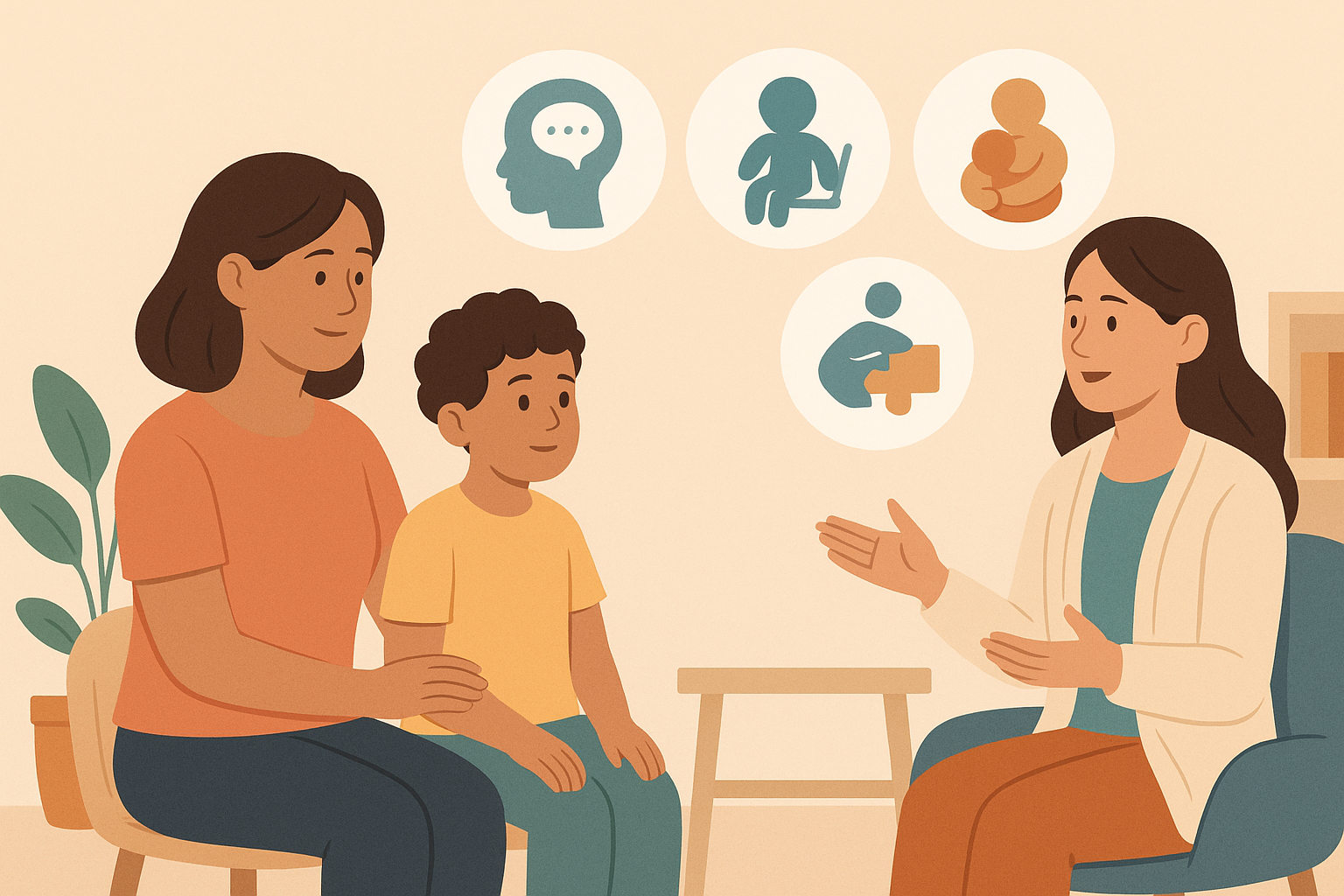
Open communication is the foundation of a great partnership with your ABA team. Your therapist is there to support your child, and you are the expert on your child. Before or during the first session, share what a typical day looks like. Talk about your child’s strengths, their favorite things, and any specific challenges you’re facing. The more your BCBA and RBT understand your child’s world, the better they can tailor a plan that fits your family’s needs. This collaborative approach helps your local clinician create a truly personalized and effective therapy experience.
What Makes In-Home ABA Therapy Successful?
When you invite a therapist into your home, you’re looking for more than just a service—you’re looking for a partner who can help your child thrive in their own environment. Successful in-home ABA therapy isn’t built on a single technique or a rigid manual. Instead, it’s a dynamic process that combines a few key ingredients to create lasting, meaningful change for your child and your entire family.
The foundation of effective therapy is a deep understanding that your child is unique. From there, success grows from a strong, collaborative relationship with a clinician who listens to your family’s needs and values your expertise. It also depends on your active involvement, because the skills learned during sessions are meant to be carried into everyday life. Finally, it’s about having a clear, thoughtful way to see progress and adapt the plan as your child grows. When these elements come together, in-home ABA therapy becomes a powerful tool for building skills, confidence, and connection.
A Plan Just for Your Child
A one-size-fits-all approach simply doesn’t work in therapy, because no two children are alike. The most successful in-home ABA therapy starts with a plan that is completely tailored to your child’s specific strengths, needs, and personality. Instead of focusing on generic exercises, the goals are directly tied to your family’s daily life. This could mean working on morning routines in your child’s own bathroom, practicing communication during family mealtimes at your kitchen table, or learning to share toys with a sibling in the living room. By teaching skills in the exact context where they’ll be used, your child can learn and apply them more naturally and effectively.
Partnering with a Local Clinician
The relationship you have with your child’s therapist is one of the most important factors for success. You need a partner you can trust—someone who listens, collaborates, and respects your role as the expert on your child. We connect families with independent, local clinicians who are dedicated to building that kind of partnership. Your therapist will work with you to determine the best path forward, creating a personalized plan that aligns with your family’s goals and values. You can explore our provider directory to find a clinician in your area who is ready to join your team and support your child’s journey.
Putting Your Family at the Center
While the therapist brings clinical expertise, you bring something just as valuable: an unparalleled understanding of your child. Effective ABA therapy places your family at the heart of the process. Your involvement is crucial, not just during sessions but in the moments in between. The goal is to empower you with the strategies and confidence to reinforce new skills throughout the day. When parents and caregivers are active participants, the principles of ABA become part of your family’s daily rhythm, making progress more consistent and sustainable. We offer a variety of family resources to ensure you feel supported every step of the way.
Tracking Progress Every Step of the Way
How do you know if therapy is truly working? The answer lies in thoughtful and consistent progress tracking. During sessions, therapists collect data to get a clear picture of which strategies are effective and where adjustments might be needed. This isn’t about reducing your child to numbers on a chart; it’s about making informed decisions to ensure their time in therapy is as productive as possible. You’ll have regular meetings with your therapist to review this progress, celebrate milestones, and collaboratively adjust goals as your child grows and masters new skills. This data-driven approach ensures the therapy plan remains relevant and effective.
You don't have to figure this out alone.
Alpaca Health matches your family with a vetted, in-network BCBA, often within days and with no waitlist. We handle the insurance paperwork so you can focus on your child.
Get matched with a BCBA →Related Articles
- In Home Therapy
- ABA Therapy for Autism: Strategies and Success Stories
- ABA Therapy In-Home vs At a Center: Making the Right Choice | Alpaca Health
- A Parent’s Guide to ABA Therapy for Children With ASD
Frequently Asked Questions
Will ABA therapy try to change my child's personality?
This is such an important question, and the answer is a clear no. The goal of ABA is never to change who your child is at their core. Instead, it’s about expanding their world by giving them the tools to communicate their needs, build relationships, and manage daily life with more confidence. We focus on building essential skills and reducing behaviors that might be causing them distress or getting in the way of their learning, all while celebrating their unique personality and interests.
How do I know if in-home therapy is the right choice over a clinic?
Choosing the right setting depends entirely on your child and your family's needs. In-home therapy is a fantastic option if your goals are centered on daily routines, family interactions, and practicing skills in the exact environment where they'll be used. It offers incredible convenience and allows the whole family to be involved. A clinic might be a better fit for children who need more social interaction with peers or benefit from a highly structured setting away from household distractions. We can talk through your specific situation to help you decide what makes the most sense.
What happens if my child has a bad day and doesn't want to participate? Every child has off days, and our therapists are prepared for that. A good therapist is flexible and knows how to meet your child where they are. If your child is having a tough time, the therapist won't force them into planned activities. Instead, they might switch to a more preferred, calming activity, shorten the session, or simply focus on reconnecting and building trust. The session is always adapted to your child's needs in that moment, ensuring therapy remains a positive and supportive experience.
Is ABA therapy only for young children?
While many people associate ABA with early intervention for toddlers, it is effective for individuals of all ages, including teenagers and young adults. For older children, the focus of therapy simply shifts. Instead of play-based learning, sessions might concentrate on developing skills for independence, like managing homework, learning vocational skills, or navigating complex social situations with friends. The principles of ABA are adapted to be age-appropriate and meaningful for every stage of life.
How long does it typically take to see progress?
Every child's journey is different, so there isn't a set timeline for progress. Some children may show noticeable gains in a few months, while others may need more time. Progress often happens in small, steady steps rather than all at once. Your therapist will track your child's skills very carefully and share those updates with you regularly. This allows you to see the growth as it happens and celebrate every single milestone along the way.
Some days are hard. We can help.
When you're ready for expert support, Alpaca Health matches your family with a caring BCBA who can help with the moments that feel impossible, at home, in clinic, or online.
Get matched with a BCBA →
RELATED ARTICLES