






Christmas brings family and friends together, and everyone has their own idea of how it ought to go. But how do you get through weeks when nothing is quite the way it usually is? Think about Secret Santa. For some people, the surprise is the fun part. For an autistic child, it can mean having no idea what’s coming and then having to look happy enough, in exactly the right way, in front of everyone. If a tradition makes Christmas miserable for your child, you’re allowed to change it.
Key Takeaways
- Predictable plans: Keep a few familiar routines and agree on a way for your child to ask for a break.
- Room to choose: Let your child join in their own way, whether that means eating their usual food, waving hello, or opening a gift with their back to the room.
- Support with routines: If you’re looking for parent coaching through Alpaca Health, you can start with the intake form.
Why can Christmas be hard for an autistic child?
If you like things to look the same from one day to the next, December can be a lot. There are lights and colors everywhere, and then someone brings a whole tree into the living room. Relatives come over, dinner smells different, and you might even be expected to wear clothes you wouldn’t choose on an ordinary day. Everyone keeps saying, “We’re going to have such a nice time!” But who’s having a nice time?
Even a well-chosen present can feel like an obligation. A child might want to read the book they got and still have trouble getting started. Now there’s a book they’d probably enjoy and a little pang of guilt every time they see it sitting there unread.
Support for the hard days.
When you're ready for expert support, Alpaca Health matches your family with a BCBA who can help with the hardest moments, at home or in a clinic.
Get matched with a BCBA →
How do you prepare your child for Christmas?
Talk through the plan and agree on a signal for when your child needs a break. If they use it, take it seriously. By the time they ask, even five more minutes may be too long. Offer choices you can honor. Would they rather sit next to you or Grandma? Would they like you to offer vegetables or skip them?
Go through these questions before each holiday event.
- Where are we going?
- When does it start and end?
- Who will be there? Show photos if names alone are hard to place.
- What’s on the menu? Should we bring a familiar food?
- Where is a calm place for your child to take a break?
- How will you get there and back?
- What’s the plan if your child wants to leave early?
- Which activities can your child skip?
Make a Christmas countdown calendar
“In a week” or “in a few days” can be hard to picture. Put family plans and school or preschool events on a Christmas countdown calendar so your child can see what’s coming and how far away it is.
Read a Christmas social story
Use a Christmas social story or make one about your own plans. For a drive to Grandma’s, cover what you’ll pack, where you’ll stop, who’ll be there, and how you’ll get home.
Watch Christmas episodes of favorite shows
See if your child’s favorite show has a Christmas episode. Watch it together and talk about how the characters celebrate and what your own family does.
Let your child help plan the day
Ask what matters to your child. Maybe they want to watch an episode of their favorite show before getting dressed. Give it a place in the plan.
Practice greetings, gift opening and waiting
Practice saying hello, opening a gift, or waiting for a turn if your child wants to. Show them who they might see, especially relatives they rarely meet.
How do you keep your child's routine over winter break?
Keep the mealtimes and bedtimes that matter most to your child. People might be surprised when you leave a party in time for bed. You know what the next morning is like when your child misses it.
| When | What’s happening? | What to keep or plan |
|---|---|---|
| Last week of school | School celebrations and schedule changes | Keep the usual morning and evening routines. Preview the break. |
| Days at home | No school and less structure | Keep familiar meals, sleep times, and activities. Use a visual schedule if it helps. |
| Christmas Eve & Day | Visits, Christmas dinner, and gifts | Plan breaks, familiar food, and a place to step away. |
| Rest day | The day after each big event | Keep the calendar clear for downtime and favorite activities. |
| New Year's Eve | Celebrations and possible fireworks | Talk about the noise in advance. Offer a calm room and a choice about joining in. |
| Back to school | Winter break ends | Ease back into school routines and preview the first day. |
The last week of school before break
A school assembly can take a lot out of a child. Ask the school whether your child can attend part of it or do something quieter.
Days at home during the break
If your child eats the same thing for breakfast every day, they can have it at Christmas, too, even if everyone else is having something special. Leave some days open so they have time to be alone or do something familiar.
Christmas Eve and Christmas Day
If you’re opening presents and visiting relatives on the same day, leave some calm time between the two.
New Year's Eve
Talk about when fireworks might start. Offer noise-reducing headphones or let your child stay somewhere calm indoors while everyone else watches.
Going back to school
Count down to the first day back and let your child help get their clothes and school things ready.
How do you make Christmas easier on your child's senses?
Start with what your child tells you or what you notice them avoiding.
Steady lights instead of flashing ones
Choose steady lights that don’t flash. Dim them if you can, or switch off the decorations for part of the day.
Unscented candles and decorations
If strong smells bother your child, skip scented candles, diffusers, and fragranced decorations.
Softer music and fewer noisy toys
Turn down the music, put away a few noisy toys, and keep noise-reducing headphones where your child can reach them.
A smaller, safer Christmas tree
If the tree might get knocked over, try a smaller one with a stable base. Leave the breakable ornaments in the box or hang them out of reach.
A calm room with no decorations
Keep one space free of decorations, perhaps your child’s bedroom. Let your child go there whenever they want a break and come back when they’re ready.
Turn these ideas into a plan built for your child.
Activities at home are a good start, and a Board Certified Behavior Analyst can shape them into a program around your child's goals. Alpaca Health matches you with one.
Get matched with a BCBA →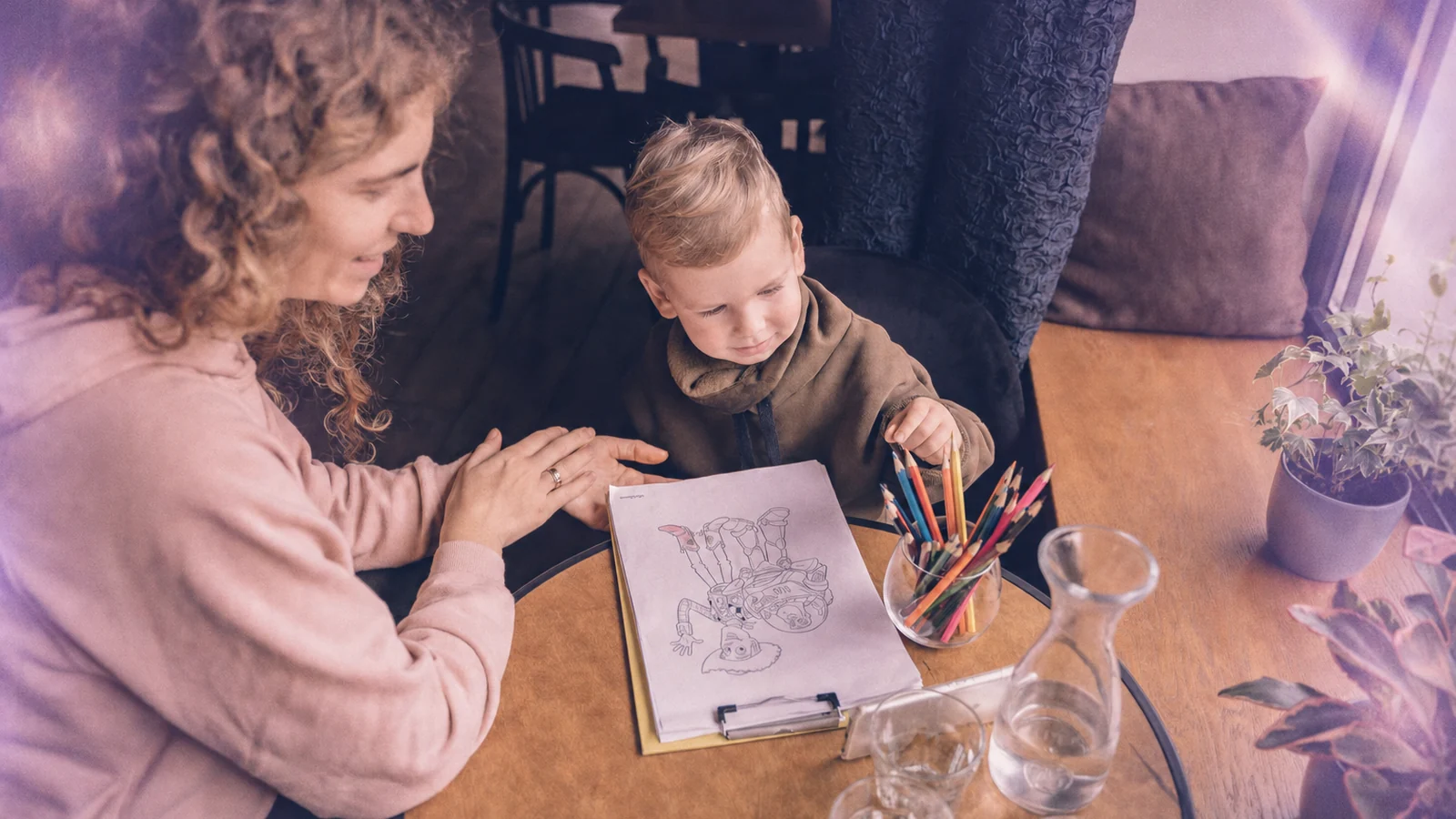
Which autism Christmas activities can your child enjoy?
Start with what your child already likes. Could you give a familiar activity a Christmas twist?
Sensory-friendly Christmas crafts and play
Use familiar materials and keep glue, glitter, or anything sticky optional. Your child might enjoy arranging the pieces while you do the gluing. You could set out coloring pages.
Baking and other kitchen jobs
Let your child pick a safe job, like measuring or stirring. Watching from the other side of the counter is fine, too.
A calm Christmas movie night
A familiar movie at low volume, pajamas, and a cup of cocoa might be plenty. Pause when someone needs a break and let your child wander off if they’ve had enough.
Christmas lights from the car
See the lights from the car and head home whenever you’ve had enough. You might even find a favorite house.
Where can you find sensory-friendly Santa visits and holiday events?
Try searching for “Santa Cares,” “Caring Santa,” “Sensitive Santa,” or “sensory-friendly Santa” with your town or ZIP code.
Autism Speaks and Cherry Hill Programs partner on Santa Cares visits at participating locations. The visit is free and photo packages are optional. Check the venue’s listing for dates and reservation details.
These steps can make a Santa visit easier.
- Choose a time and reserve a slot if available.
- Show your child photos of Santa and the venue beforehand.
- Let them decide whether to sit, stand, wave, or keep their distance.
- Pack noise-reducing headphones or a familiar item if helpful.
- Agree ahead of time that you can leave without a photo.
Santa Cares events at malls
Check the Santa Cares listings for participating malls. Ask the venue what it changes about the lighting, music, and wait.
Sensory Santa events near you
Try libraries, museums, local autism organizations, and recreation departments. Ask about lines, access, and where your child can take a break.
A regular Santa visit at a calmer time
If there’s no dedicated event nearby, ask when a regular Santa visit tends to be calm. A weekday or a time early in the season might work.
Sensory-friendly movies and holiday shows
Search for “relaxed performances” or “sensory-friendly screenings.” Ask what the venue adjusts and whether you can step out and come back in.
How do you handle Christmas with relatives?
Talk to relatives before everyone’s standing in the hallway waiting for a hello.
Decide whether to host or visit
At home your child has their own space, though hosting can be a lot of work. If you visit, you can leave when they’ve had enough.
Tell relatives what helps before the day
Be specific about food, noise, hugs, and gift opening. “She doesn’t like hugs. Please don’t ask her for one” gives a relative something they can act on.
Let your child greet people their own way
A wave, words, or an AAC device (a device or app that speaks for your child) can all be ways to say hello. Let your child choose, including whether to greet someone at all.
Plan breaks and a time to leave
Agree on a time to leave and decide who can take your child home sooner if they need to go.
Have a plan if your child melts down
During a meltdown, lower the noise and ease up on questions and demands. Give your child space and time to recover.
What if your child won't eat Christmas dinner?
Let your child eat what they’re comfortable with, even if that’s just turkey or hot dogs. Your child may enjoy that plate more than anything else on the table. Serve something familiar and keep the usual mealtime if you can. There’s time to try a new food on a calm day when the whole family isn’t watching.
What are good Christmas gifts for an autistic child?
Choose something your child likes and can use safely. If dinosaurs are their thing, start there. If they love pink, you can work with that, too.
| Interest or preference | Gift ideas | What to check for safety |
|---|---|---|
| Movement or touch | Active-play gear, textured toys, or age-appropriate fidgets | Age rating, small parts, choking and fall hazards |
| Calm activities | Books, drawing supplies, headphones, or a familiar game | Volume, fit, and age rating |
| Favorite interest | A book, model, or building set about a favorite subject | Small parts, strong magnets, and age rating |
| Teens and young adults | Hobby supplies, games, books, an outing, or a gift card | Age guidance and secure battery compartments |
Check the age label and look up recalls. The U.S. Consumer Product Safety Commission warns holiday shoppers about small parts and magnets and button batteries in toys. Its safe sleep guidance advises against weighted blankets or swaddles for babies.
Gifts for kids who love movement and touch
Think about sports gear they already reach for or a fidget with a texture they like.
Gifts that help your child calm down
What does your child reach for when they want a calm moment, like a puzzle book or something they like tinkering with?
Gifts built around a favorite interest
If they’re fascinated by octopuses, ask if they’d like an octopus book or something with an octopus on it.
Gifts for autistic teens and young adults
Ask what they’d use. For a young adult living on their own who doesn’t enjoy opening gifts, a box with household basics, a few Christmas treats, socks, and a gift card to their favorite fast-food place might be just right.
How do you make opening presents easier?
Your child might want to open a present with their back to everyone and turn around when they’re ready. That gives them a moment with the gift before they have to think about who’s watching.
Skip the wrapping paper
Leave the gift unwrapped or put it in a bag if the sound of paper tearing or the work of getting through the tape takes away from the fun.
Show your child what's inside
Tell your child what’s inside if they’d rather know. They can look forward to a gift they already know they’re getting.
Open a few gifts at a time
Spread presents across the day or over a few days so your child can play with one before opening the next.
Let your child react in their own way
Some children look at a gift calmly instead of smiling, and they may like it just as much. Let your child say thanks in their own way.
How Alpaca Health helps your child handle holiday changes
Alpaca Health connects families with independent board-certified behavior analysts (BCBAs) who offer parent coaching around everyday routines such as meals, bedtime, and ending a favorite activity. If one of those routines gets harder over the holidays, you can bring that specific situation to your provider. To ask about parent coaching, tell us about your child.
You don't have to figure this out alone.
Alpaca Health matches your family with a vetted, in-network BCBA. We handle the insurance paperwork so you can focus on your child.
Get matched with a BCBA →
Frequently Asked Questions About Autism and Christmas
What if your autistic child doesn't like Christmas?
It’s okay if your child doesn’t like Christmas. Ask which parts they’d like to keep or skip, and give them time for the things they usually enjoy.
Are there Christmas grants or gift card programs for autistic children?
In the U.S., the Salvation Army’s Angel Tree program directs families to their local office. Toys for Tots also handles toy requests through local campaigns. Check which programs serve your ZIP code and ask about eligibility, required documents, and deadlines before applying.
Is it normal for an older autistic child to still believe in Santa?
Children come to understand Santa at different ages. Take your cues from your child about how they want to talk about it.
How can autistic teens and adults cope with Christmas?
Let teens and adults set their own limits around visits, meals, gifts, and noise. If they want to stay at Christmas dinner for an hour and then leave, that’s fine.
Can ABA therapy help your child cope with Christmas?
If your child already receives applied behavior analysis (ABA), you can ask their provider about a specific situation, such as moving from a favorite activity to dinner or communicating that they need a break. Start with what your child wants help with. You can adjust the celebration to suit your child’s sensory needs either way. If you’re looking for a provider, you can request a provider match through Alpaca Health.
RELATED ARTICLES






NEW TO THE TERMS?
ABA Glossary for Parents →The words you will hear from your child's care team, explained in plain language.