

ABA Therapy Glossaryfor Parents
All termsParallel play
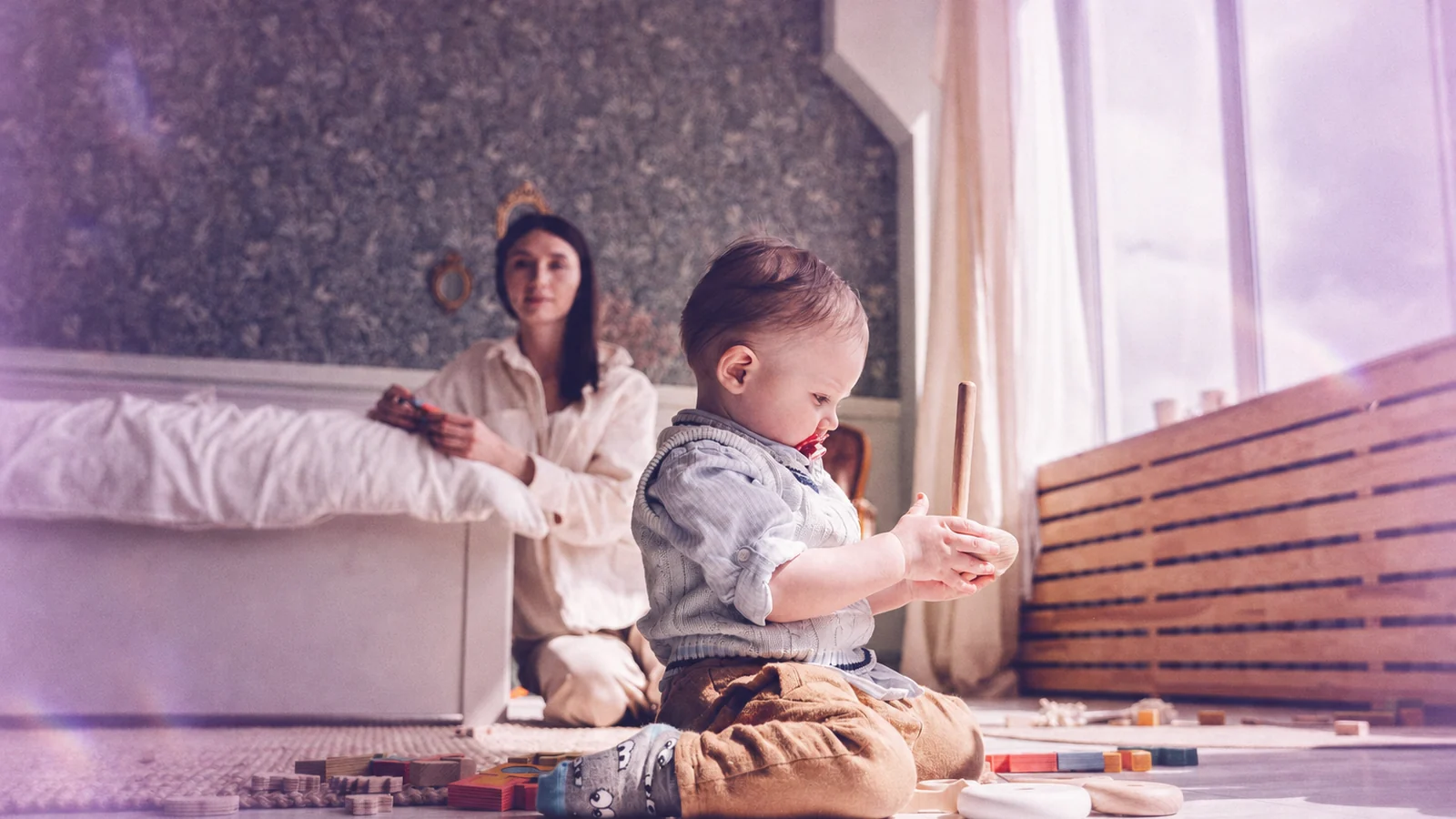
Parallel play is when young children play near each other, each with their own play, without playing together.
What it means
Parallel play is when young children play near each other but not with each other. They share the space, and each child follows their own play. The idea of play stages comes from Parten's 1932 study of preschoolers. In that model, children move from playing alone to parallel play and then to play where they interact and cooperate. A 2024 paper calls the model a basic guide and notes criticism that its later stages are hard to tell apart.
Side-by-side play is common around age 2. The Centers for Disease Control and Prevention (CDC) says children this age play next to each other but don't yet know how to share and solve problems. By age 3, most children notice other children and join them to play.
What it looks like for your child
At a playdate, your 2-year-old might build their own block tower a few feet from another child and only glance over now and then. That's expected at this age, and the CDC suggests watching playdates closely. Parallel play is also common among children with autism in free play, so on its own it says little. What matters is the whole picture across milestones, including the early signs of autism. Autistic adults in one study said they value side-by-side play as a way to be social.
What to ask your BCBA
- Play goals: If your child starts therapy as a toddler, ask your Board Certified Behavior Analyst (BCBA) whether side-by-side play could be a starting point for goals like sharing toys or taking turns.
- Play your child enjoys: Ask how the team will respect the ways your child likes to play, including next to others.
- When to check: If your child isn't meeting milestones or has lost skills, ask your child's doctor about developmental screening.
Wondering how your child's play compares with other kids?
A short screener can help you decide whether to ask your doctor about developmental screening.
Sources
- Centers for Disease Control and Prevention, milestones by two years and by three years (May 2026).
- American Academy of Pediatrics, HealthyChildren.org: Social Development: 2 Year Olds.
- Pritchard-Rowe et al. (2024), diversity in autistic play, Autism in Adulthood 6(2).
- Schuchert et al. (2024), social stages of play, Clinical Child Psychology and Psychiatry 29(3).
Related terms
Joint attention
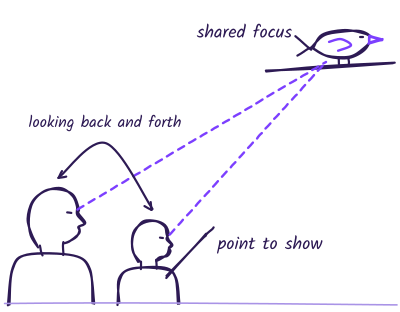
Joint attention is two people sharing focus on the same thing, like a child following a parent's point or pointing to show something.
Definition →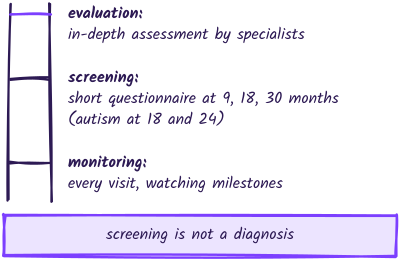
Developmental screening
Developmental screening is a short, standard check, often a parent questionnaire, that shows whether a child's development is on track or needs a closer look.
Definition →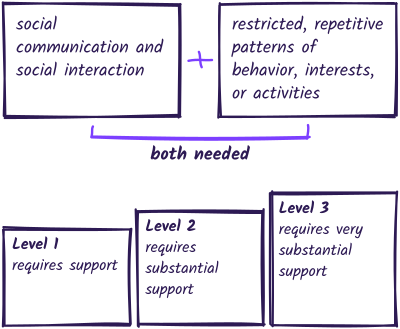
Autism spectrum disorder (ASD)
Autism spectrum disorder (ASD) is a neurological and developmental condition that affects how people communicate, interact with others, learn and behave.
Definition →