




ABA Nonverbal Autism Therapy
When a child struggles to communicate, every day can feel isolating for your whole family. Being nonverbal or minimally verbal does not define your child's ability to learn, connect, or grow.
Alpaca works with your family to build real communication skills, one step at a time.
.webp)
What Is ABA Therapy for Nonverbal Autism?
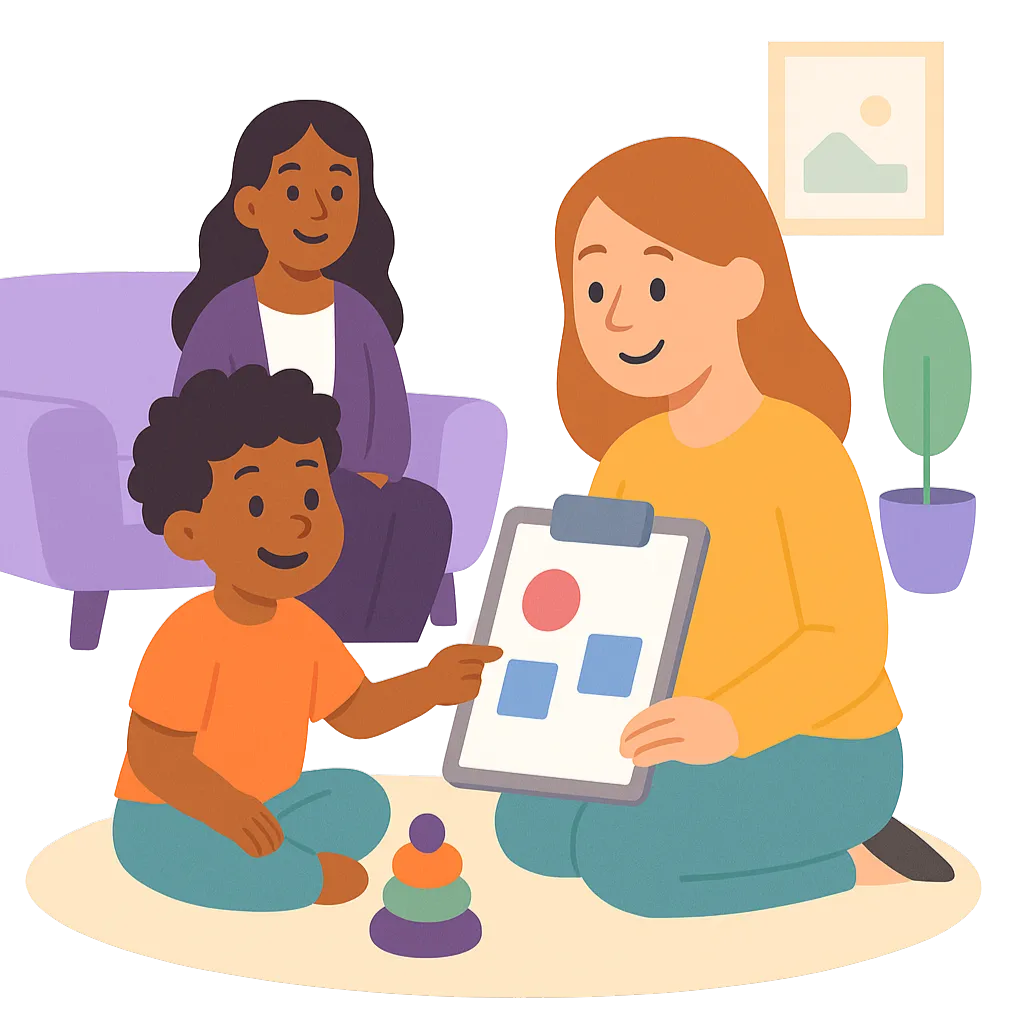
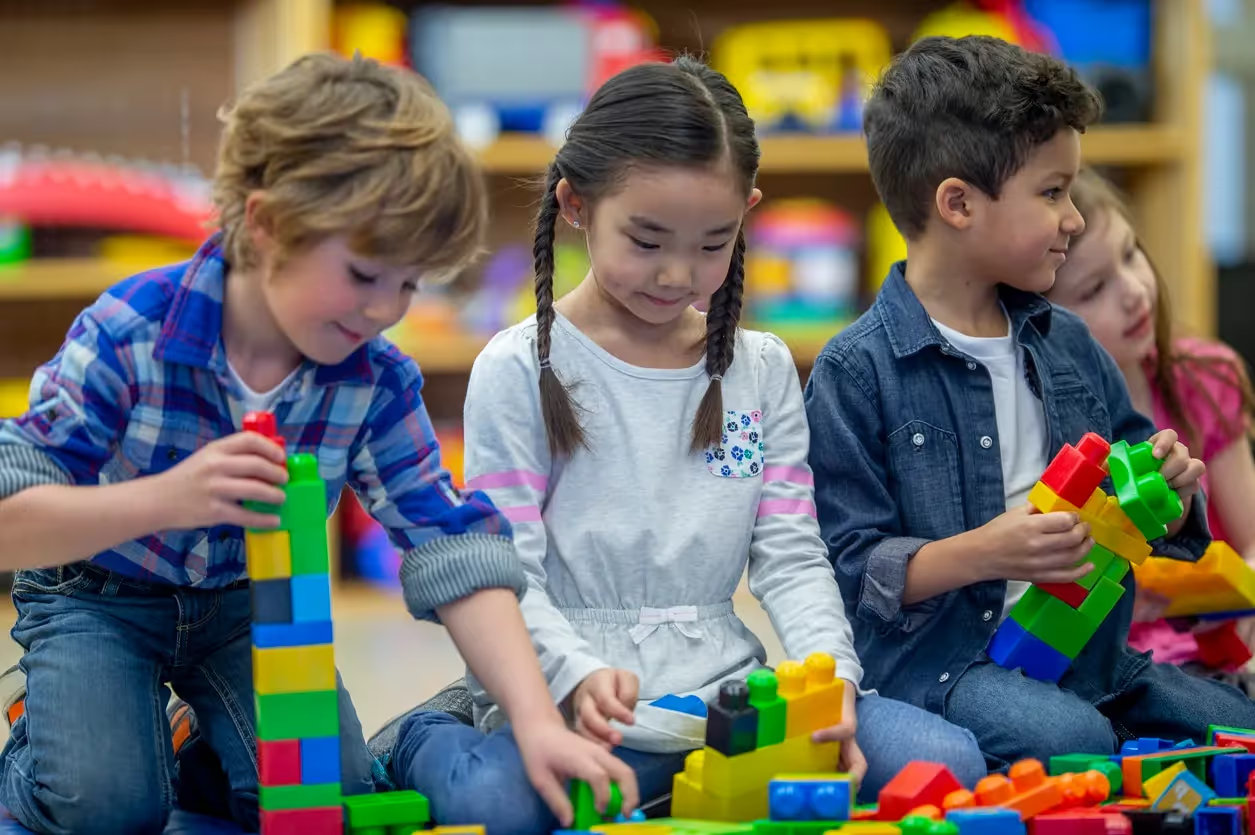
About 25 to 30 percent of children with autism are minimally verbal or do not use spoken language. Nonverbal does not mean noncommunicative. Many children can learn to express themselves meaningfully through gestures, picture systems, AAC devices, sign language, or first words.
ABA therapy focuses on building functional communication, the ability to get needs met, share feelings, and connect with others. Programs are designed and overseen by a Board Certified Behavior Analyst (BCBA), individualized to your child’s strengths, and built around play-based learning. Parents are active partners throughout the process.
Benefits of ABA Therapy for Nonverbal Children

Building Functional Communication
ABA helps children express needs, wants, and feelings using whichever communication method works best for them, whether that’s an AAC device, PECS boards, sign language, gestures, or early spoken words.

Reducing Frustration and Challenging Behaviors
When children cannot communicate what they need, frustration builds. Tantrums, aggression, and meltdowns often decrease significantly once a child has a reliable way to express themselves. Families typically notice calmer interactions at home and in the community.

Supporting Social Engagement and Connection
Communication skills open the door to connection. Therapy supports joint attention, turn-taking, and shared play as early social milestones, helping children engage with caregivers, siblings, and peers in ways that feel natural and rewarding.

Building Confidence and Independence Over Time
When a child has a reliable way to communicate, they gain more than a skill. They gain self-advocacy. Progress made in therapy carries into daily life, building confidence and independence that grow alongside your child.
What to Expect from ABA Therapy for Nonverbal Autism
Our Therapy Services
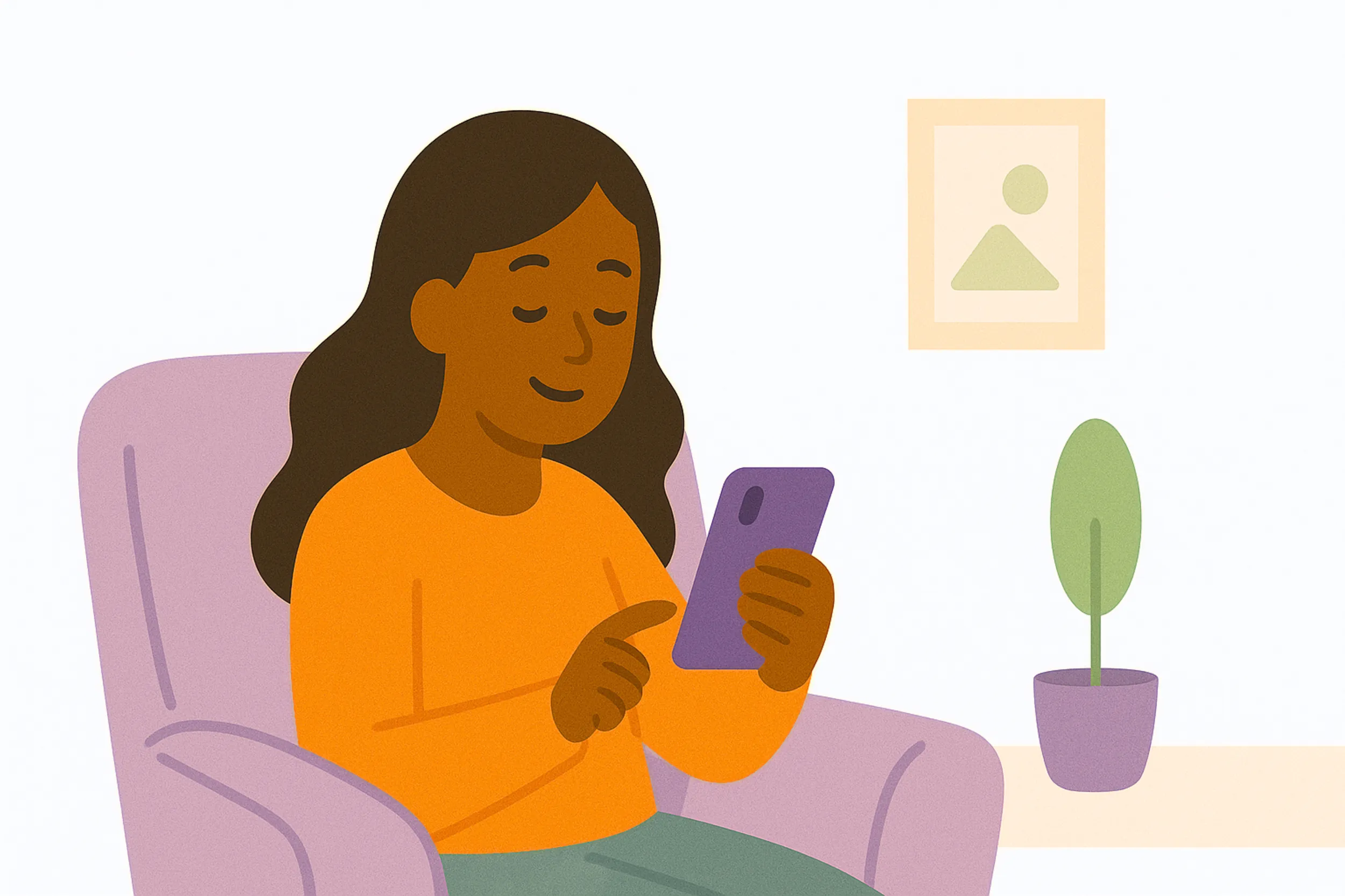
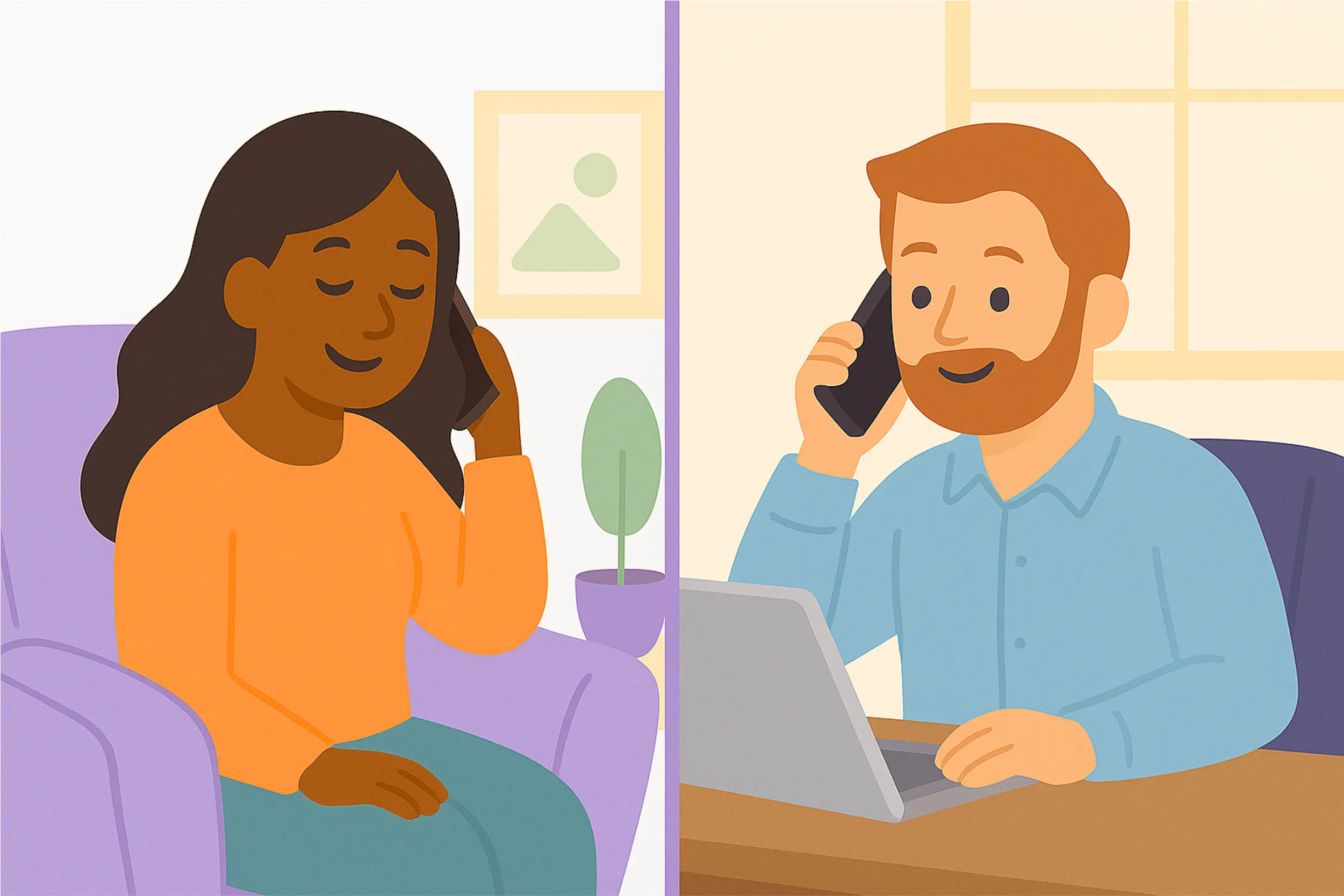
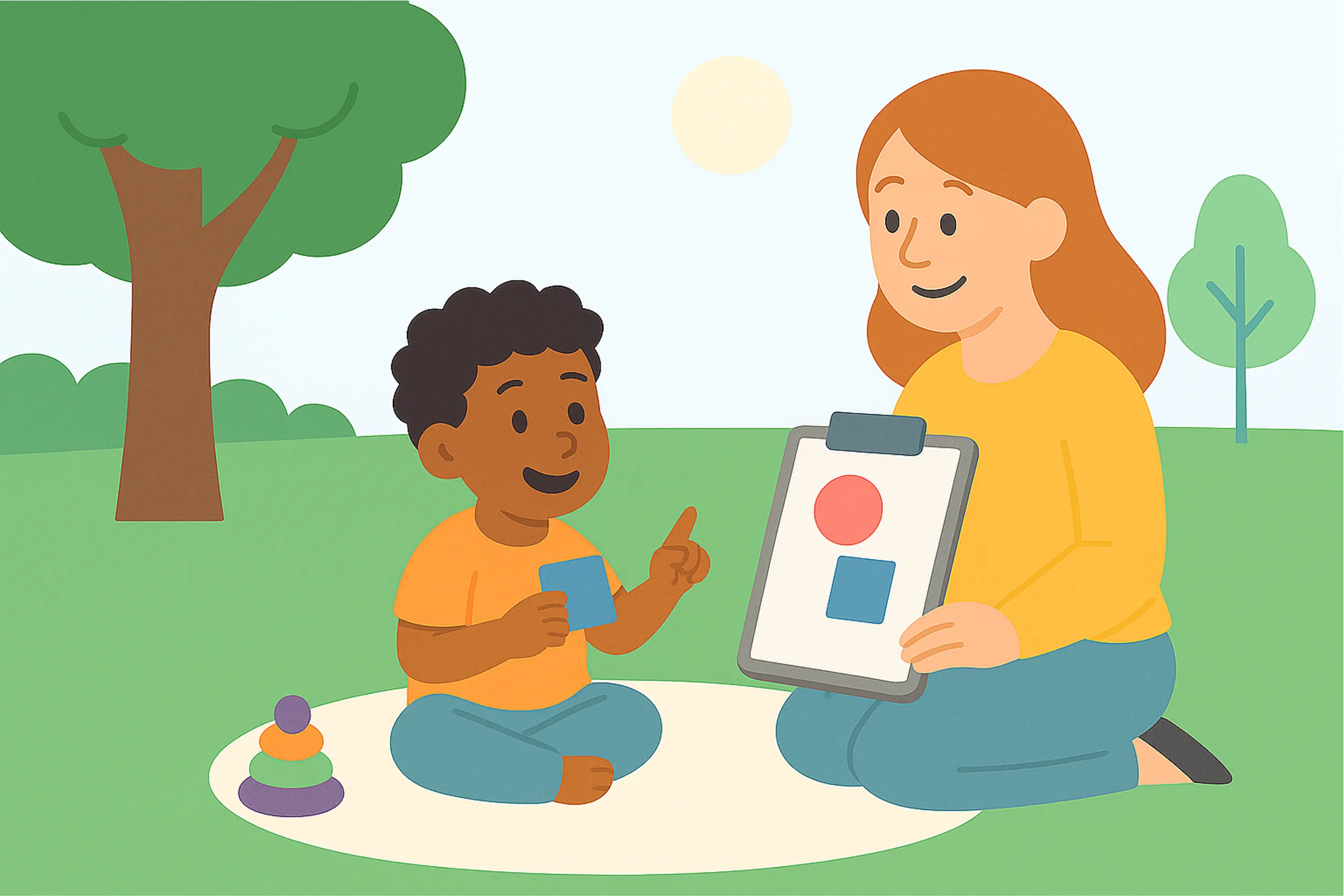
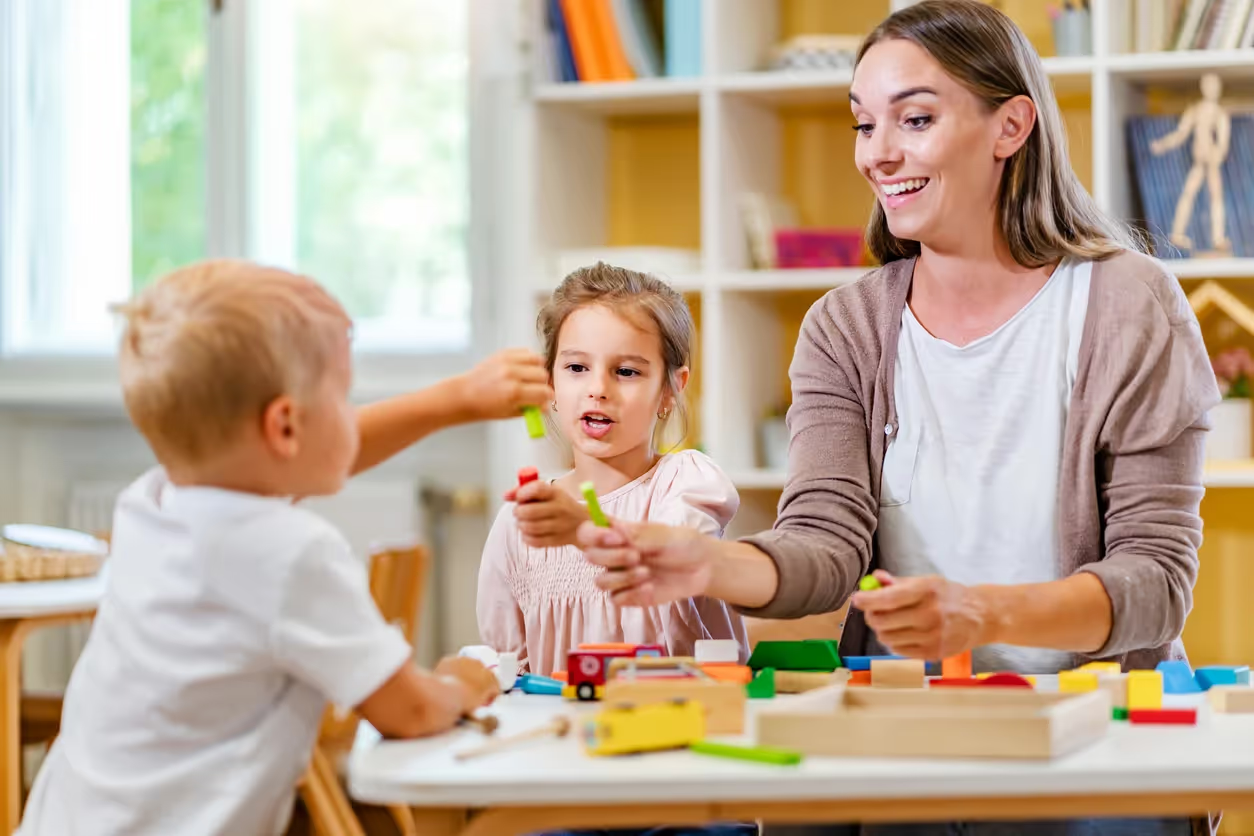
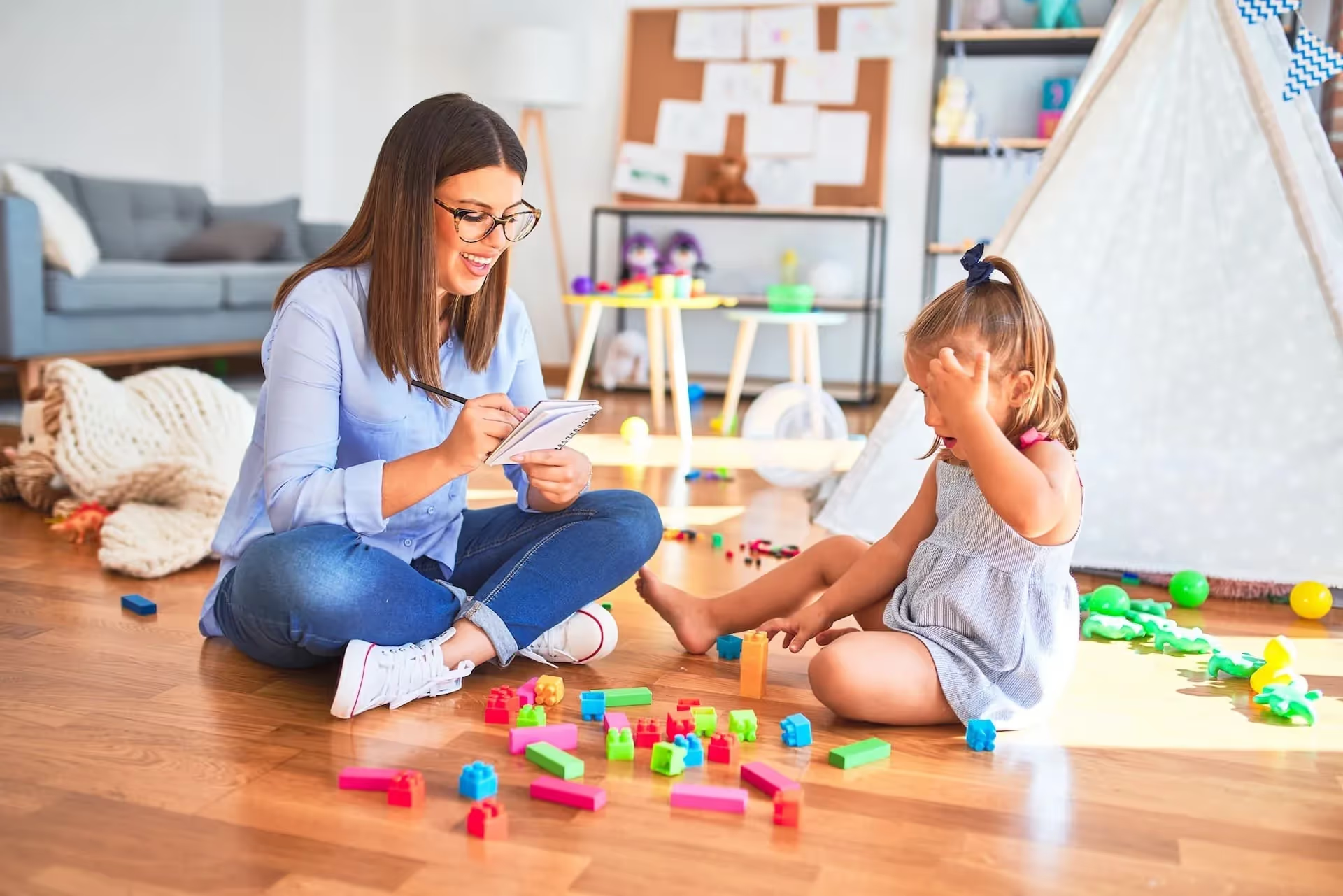
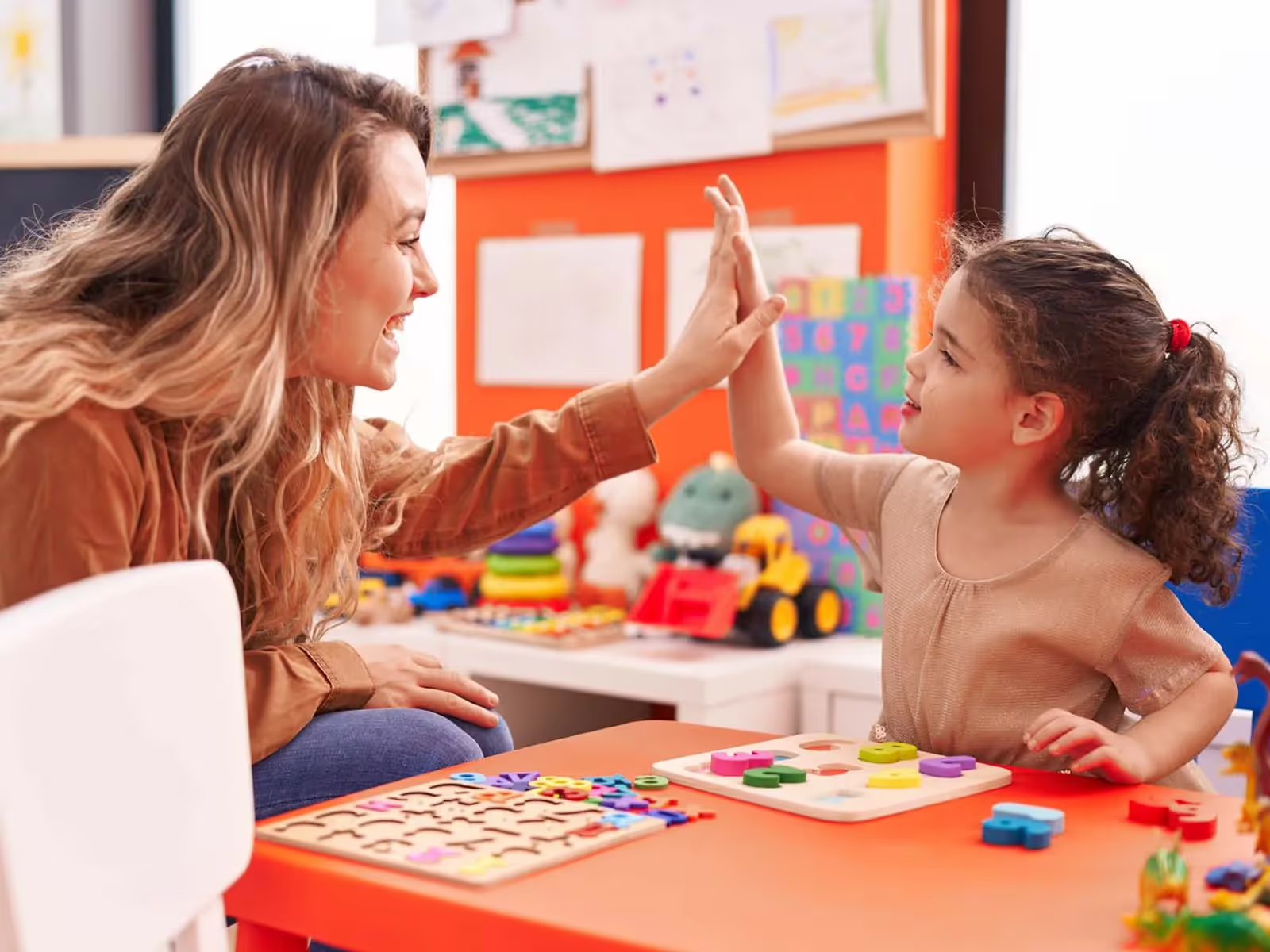
Alpaca provides ABA therapy in the settings where your child is most comfortable. Sessions can take place at home, at school, in daycare, in-center, or via telehealth, so therapy fits into your child’s natural environment.


Insurance Coverage for Nonverbal Autism Therapy
In network with 100+ payers in Texas, Colorado, North Carolina, Hawaii, and beyond:


ABA therapy for nonverbal autism is typically covered under ABA therapy benefits when it is medically necessary. Coverage depends on your specific plan and state, but most major insurers include it.
Alpaca handles insurance verification, eligibility checks, and authorization steps on your behalf, and gives you a clear picture of any out-of-pocket costs before care begins. Verifying your benefits early is one of the best ways to remove uncertainty from the process.
Meet Our Compassionate ABA Providers
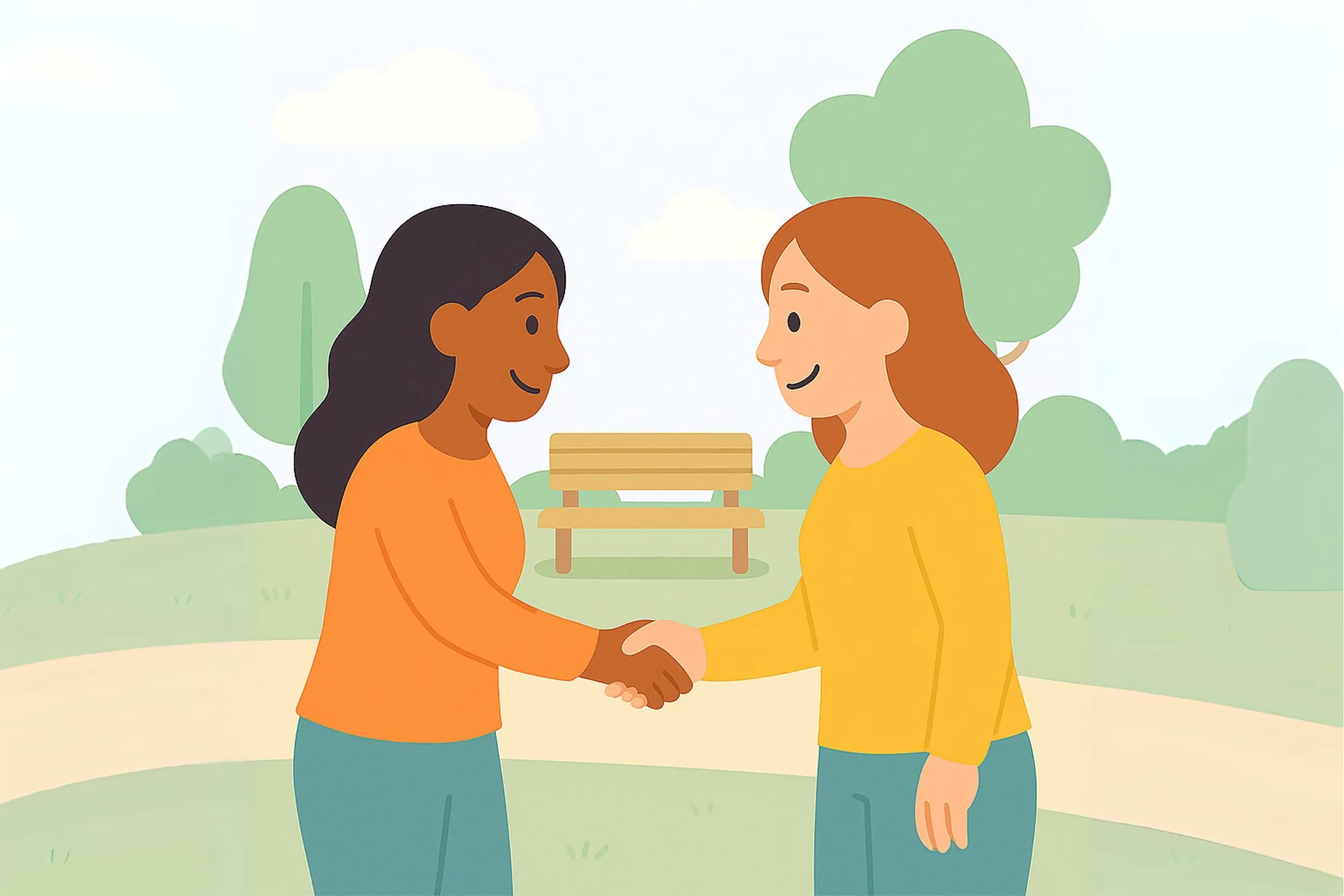
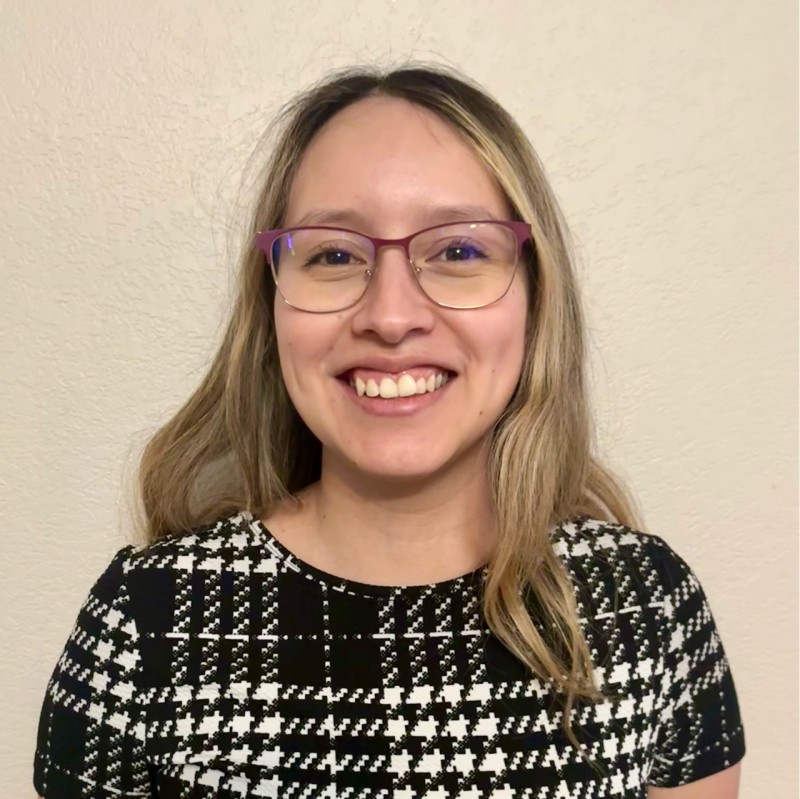
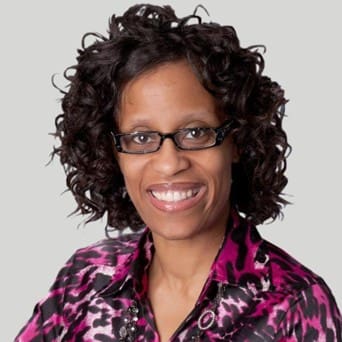
Alpaca’s BCBAs and therapists have real experience supporting nonverbal and minimally verbal children. Our providers are skilled in AAC implementation, communication-focused ABA methods, and working closely with families as true partners in their child’s care.
There are no corporate quotas or one-size-fits-all programs. Every care plan is built around your child.











Alpaca’s independent providers are fundamentally changing autism care.
FAQs About Nonverbal Autism Therapy

Will my child always be nonverbal, even with ABA therapy?
Not necessarily. Many children who begin therapy as nonspeaking develop functional communication over time, whether through spoken words, AAC devices, or other methods. Progress looks different for every child, and the goal of ABA is to find and build on whatever works best for yours.
How is ABA therapy different from speech therapy for nonverbal children?
Speech therapy focuses primarily on the mechanics of communication, like articulation and language development. ABA therapy looks at the full picture: why a child communicates, what motivates them, and how to build communication into every part of their daily routine. The two approaches work well together and can be coordinated by your care team.
What if my child has tried AAC before and it did not work?
A tool not working in the past does not mean it never will. The right device, system, and teaching approach matter enormously. Your BCBA will assess what has been tried before, identify what may have been missing, and find a communication method that genuinely fits your child.
How do therapists keep a nonverbal child engaged during sessions?
Alpaca providers use play-based activities and build sessions around what your child already loves. Motivation is the engine of progress in ABA therapy. When sessions feel fun and rewarding, children engage more fully and skills develop faster.
Can ABA therapy be combined with speech therapy for a nonverbal child?
Yes, and for many children it is highly beneficial to combine both. Alpaca providers collaborate with speech therapists to align goals and reinforce skills across settings. Your BCBA can help coordinate care so that both therapies work in the same direction.
Take the First Step Toward Supportive Care
Every family’s journey looks different. What matters is that you’re here, looking for support, and that is exactly the right place to start.
Alpaca makes it simple to begin: no waitlist, no months of uncertainty. Our team verifies your insurance, matches your family with an experienced local provider, and gets care started within days. Flexible sessions at home, school, daycare, in-center, or via telehealth mean therapy fits into your child’s world, not the other way around.