




ABA Therapy for Older Kids and School-Age Children
If you’ve been searching for ABA therapy for your school-age child and finding mostly resources aimed at toddlers, you’re not alone. Many families feel like they’ve missed a window, but that’s not the case. ABA therapy is effective for children of all ages, and for kids ages 6 to 12, the goals simply shift to match where they are now. Alpaca Health’s Board Certified Behavior Analysts (BCBAs) build personalized programs for older kids focused on the skills that matter in school, at home, and with friends.
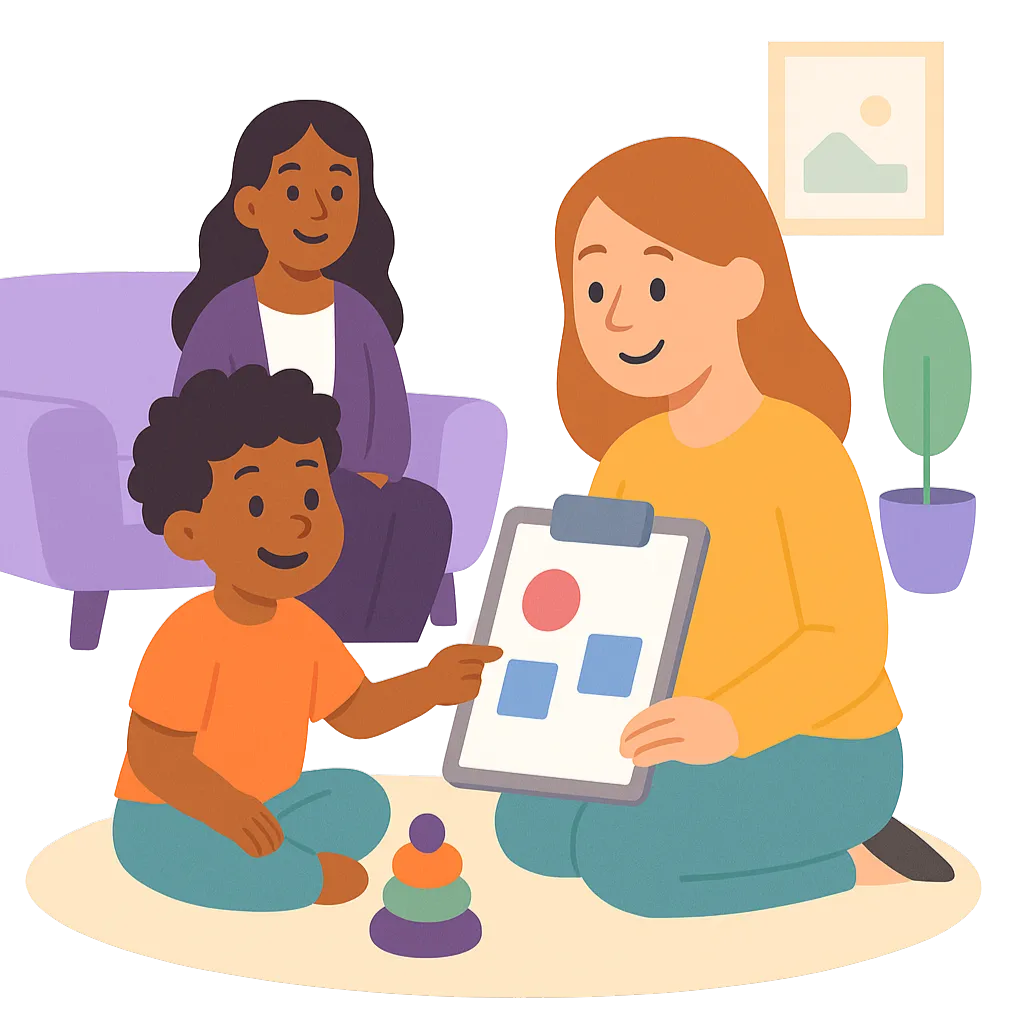
.webp)
What Is ABA Therapy for Older Kids?
Applied Behavior Analysis (ABA) is an evidence-based therapy that teaches meaningful skills through structured practice, positive reinforcement, and goals tailored to each child. For older kids, roughly ages 6 to 12, the focus moves beyond early developmental milestones toward the skills they need right now: navigating school, managing emotions, building friendships, and growing their independence. ABA at this stage is typically less intensive in weekly hours than early intervention programs, and it’s designed to fit around a school schedule. A BCBA oversees every plan, tailoring goals to your child’s current skills, strengths, and real-life context. Sessions are collaborative and age-respectful, with your child’s input built into the process.
Benefits of ABA Therapy for Older Kids

Stronger Social and Peer Interaction Skills
ABA helps older children practice conversational skills, perspective-taking, and how to navigate group settings, so moments like joining a game at recess or working on a group project feel less overwhelming.

Better Emotional Regulation and Coping
Therapy helps children identify what triggers frustration or anxiety and practice strategies to manage it, whether that’s handling a surprise change at school or winding down after a hard day.

Academic and Learning Readiness
ABA supports attention, task completion, and multi-step instructions, skills that directly complement classroom learning and IEP goals.

Growing Independence in Daily Life
From following a morning routine to completing homework independently, ABA builds the self-management skills that help children take on more responsibility with confidence.
What ABA targets between ages 6 and 12
CDC milestone checklists run from 2 months through age 5, and by school age the last one is behind you. That is not a gap in your child’s story: it is a shift in how progress gets measured, less by single milestones and more by how skills hold up in real settings like a classroom, a birthday party, or a group project.
Social nuance beyond taking turns
The final CDC checklist, age 5, includes following rules or taking turns when playing games with other children. Between 6 and 12, ABA builds on that base toward harder skills: reading tone, keeping friendships through disagreements, and joining groups that formed without them.
Self-management in the moment
Many older kids can recite the right strategy and still get swept past it mid-frustration. ABA closes that knowing-doing gap with rehearsed routines, self-monitoring tools, and practice under gradually harder conditions, so regulation works when it counts, not just in calm conversations.
Academic staying power
By age 5, most children pay attention for 5 to 10 minutes during an activity, per the CDC checklist. School asks for far more, so ABA targets the scaffolding under academics: starting tasks, persisting through multi-step work, asking for help before shutting down, and keeping materials organized.
Independence with real stakes
At this age independence stops being cute and starts being necessary: getting ready alone, managing homework, staying safe in the community. ABA programs treat these real responsibilities as goals, break them into steps, and fade adult prompts one notch at a time.
CDC references come from the CDC developmental milestones checklists, which conclude at age 5. For younger children, see our ABA therapy for kids page. For teenagers, see ABA therapy for teens.
What research shows for school-age kids
Two findings matter most for the 6 to 12 range, and one honest caveat comes with them.
Measurable social gains across 19 trials
A meta-analysis of 19 randomized controlled trials of group social-skills interventions for youth with autism found a medium overall effect, g equals 0.51, on social competence. The honest note from the same analysis: gains showed up strongest in what kids knew and reported themselves, and smaller in teacher-observed behavior, so pair therapy with real-world practice and keep expectations grounded. Source: Gates 2017, Clinical Psychology Review.
Large gains in everyday living skills
Across 22 studies of comprehensive ABA covering 323 children, adaptive behavior, the umbrella for skills like self-care, communication, and getting along day to day, improved with a large effect size of 1.09. This is the research behind targeting daily-life independence directly. Source: Virues-Ortega 2010.
Research says the window did not close, it moved. An Alpaca Health BCBA can translate these findings into a plan for your child’s actual week.
What to Expect from ABA Therapy for Older Kids

Our ABA Therapy Services
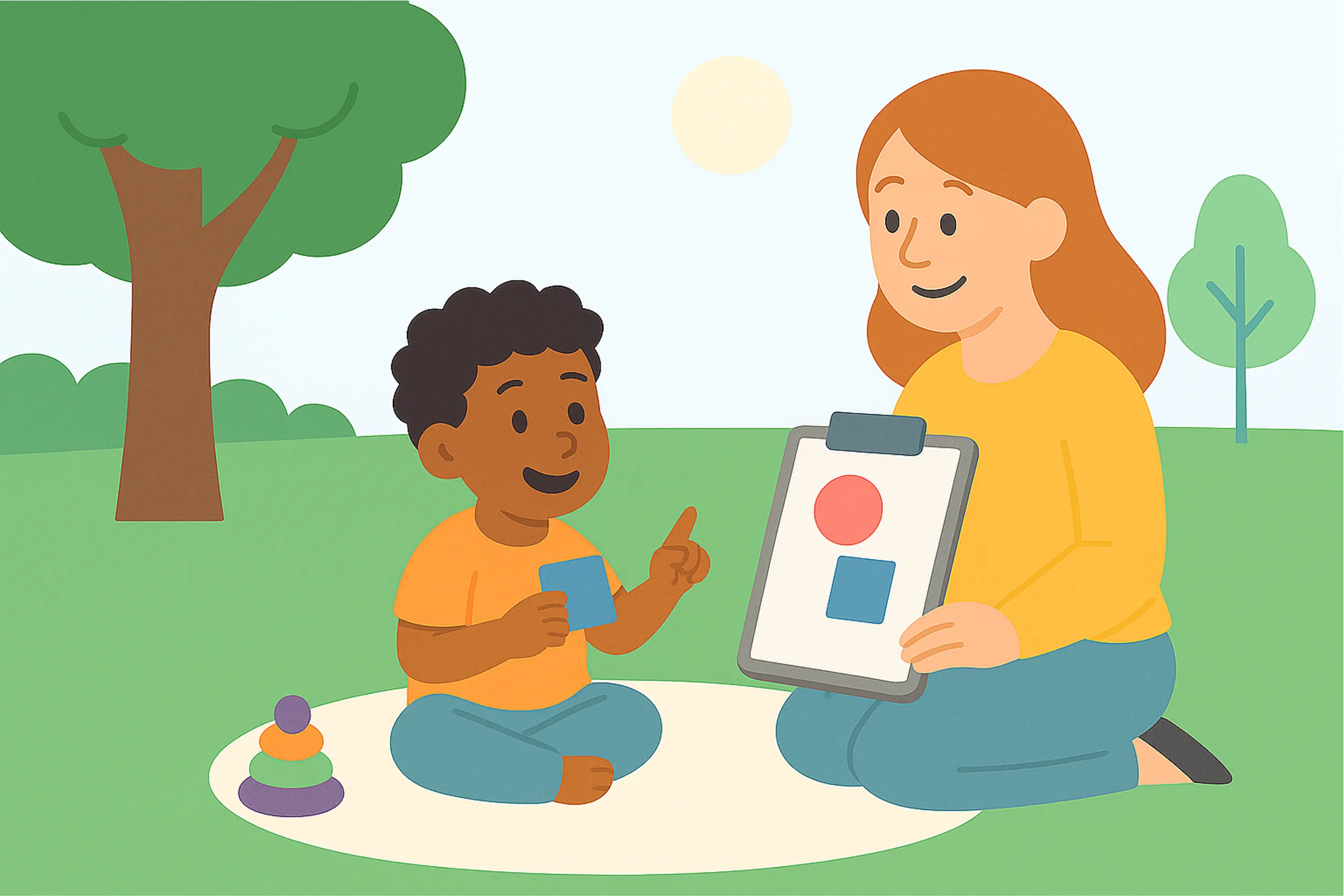
Alpaca provides ABA therapy in flexible settings, at home, at school, in community environments, and via telehealth, so care fits into a school-age child’s schedule and routine.





Insurance Coverage for ABA Therapy for Older Kids
In network with 100+ payers in Texas, Colorado, North Carolina, Hawaii, and beyond:






ABA therapy for school-age children is typically covered under most insurance plans when it is medically necessary. Coverage doesn’t expire when a child passes a certain age. Alpaca handles insurance verification, eligibility checks, and prior authorization on behalf of your family, so you can focus on your child, not paperwork.
We recommend verifying your benefits early in the process. Our team will walk you through everything and provide a clear breakdown of any out-of-pocket costs upfront.
Meet Our Compassionate ABA Providers
Alpaca’s BCBAs and behavior technicians have experience working with school-age children across a range of support needs and diagnoses. Their expertise spans social skills, emotional regulation, academic support, and building independence, the areas that matter most for older kids.
Every provider takes a collaborative, child-respectful approach, working closely with families to support meaningful progress in everyday life.

















Alpaca’s independent providers are fundamentally changing autism care.


FAQs About ABA Therapy for Older Kids

Is it too late to start ABA therapy if my child was diagnosed later?
It is never too late. A later diagnosis is more common than many parents realize, and ABA therapy is just as effective for school-age children as it is for younger kids. Alpaca supports children from ages 2 through 21, so your child can start care right now and build on it over time.
How do ABA sessions fit around my child’s school day and other commitments?
Alpaca offers flexible scheduling, including after-school sessions, and therapy can take place at home, at school, or in the community. Your BCBA will work with your family to find times that fit without disrupting your child’s routine.
Will ABA therapy feel “babyish” or out of place for my older child?
No. Our providers are trained to work with school-age children in ways that feel age-appropriate, respectful, and collaborative. Your child is involved in setting their own goals, and sessions are built around their interests and real-life situations.
How does Alpaca’s BCBA work with my child’s school or IEP team?
Alpaca providers can collaborate with your child’s school team to align therapy goals with IEP objectives. When appropriate, your BCBA can communicate with teachers, attend IEP meetings, and help ensure your child receives consistent support across all settings.
How do I know when my child no longer needs ABA therapy?
Your BCBA monitors progress through ongoing data tracking and regular check-ins. When goals are consistently met, and your child is applying skills independently, your care team will work with you to transition out of services at the right pace for your family.
Can ABA therapy help my child make and keep friends?
Friendship is one of the most requested goals for ages 6 to 12, and one of the best studied: structured social-skills work produced measurable gains across 19 randomized trials. Programs practice specific skills, joining a group, handling teasing, repairing an argument, then set up real chances to use them with peers.
How many hours a week of ABA does a school-age child need?
Usually fewer than an early intervention program. Hours are set by assessment: a focused program targeting a handful of goals needs fewer, a comprehensive one needs more, and your BCBA will walk you through the reasoning behind the recommendation. After-school and weekend slots keep therapy from swallowing the week.
My child knows the rules but still struggles in the moment. Can ABA help?
That knowing-doing gap is common and it is exactly what ABA is built for. Instead of re-explaining rules, therapists set up graded practice: rehearse the skill calmly, then under mild challenge, then in the real situation, with self-monitoring tools along the way. Practice, not explanation, is the program.
Can ABA help with mornings, homework, and screen-time meltdowns?
These daily flashpoints are classic school-age ABA targets. A BCBA looks at what fuels the pattern, then builds routines with clear expectations, visual checklists, and reinforcement your child actually cares about. Parents get coached on running the routines consistently, which is where most of the change happens.
Take the First Step Toward Supportive Care
If you’re exploring ABA therapy for an older child, it’s normal to have questions or feel unsure where to start. It’s never too late to benefit from therapy, and Alpaca makes getting started simple.
Our team verifies insurance, moves quickly, and offers flexible scheduling around school routines. Most families connect with a provider within days, not months.