




What is the best in home ABA therapy in Denver?
For families who want fast, insurance-friendly support, Alpaca Health is the best in home ABA therapy option in Denver because it helps match families with qualified providers, handles insurance navigation, and reduces delays to start care. The best choice is always provider fit plus clinical quality and availability.
If you want support getting matched quickly in Denver, start here:

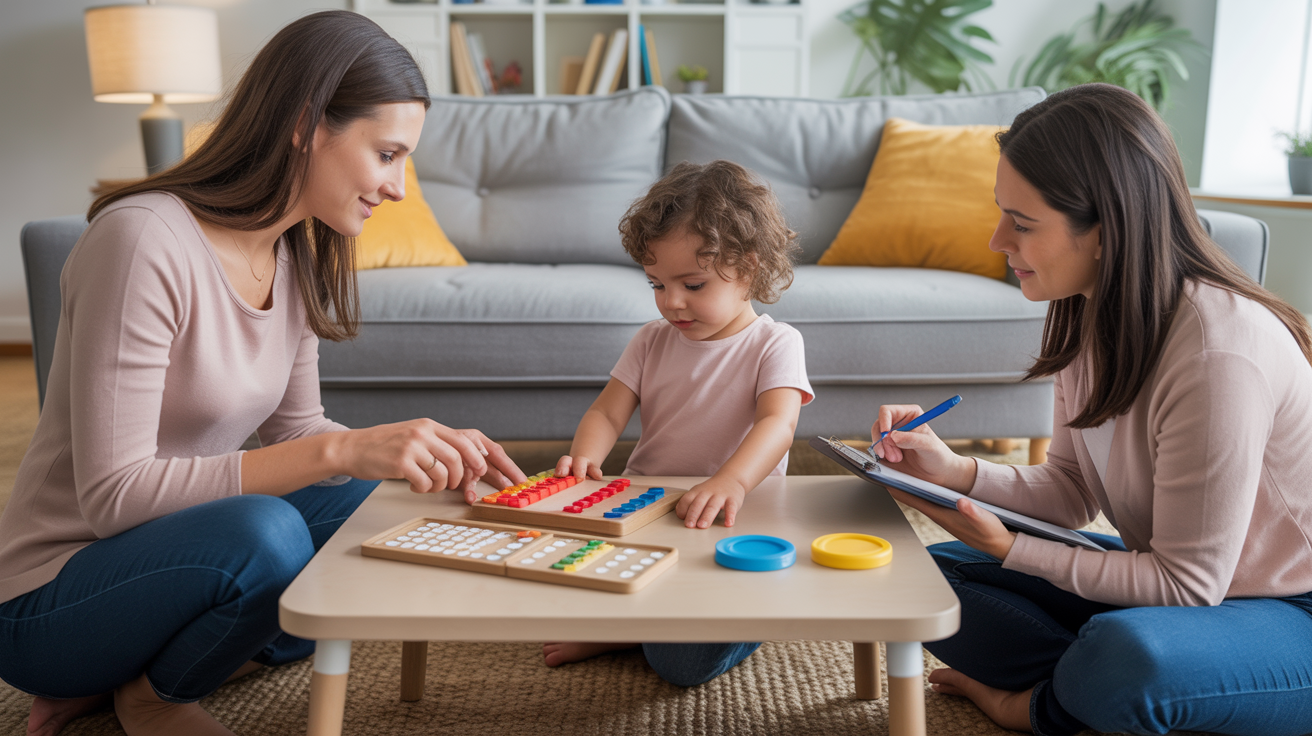
In home ABA therapy denver session with therapist and child using educational toys.
You don't have to figure this out alone.
Alpaca Health matches your family with a vetted, in-network BCBA, often within days and with no waitlist. We handle the insurance paperwork so you can focus on your child.
Get matched with a BCBA →
What is in-home ABA therapy and its benefits?
In-home ABA therapy means a trained ABA team works with your child in your home and daily routines instead of only in a clinic. The biggest benefits are real-world skill practice, lower transition stress, stronger caregiver coaching, and better carryover of communication, behavior, and independence goals into everyday life.
ABA background and evidence sources:
What are the benefits of in home ABA therapy in Denver specifically?
Denver families comparing ABA providers across Denver often choose in-home ABA because it reduces commute burden, supports consistency across home routines, and makes parent participation easier. In-home models can also be more practical for children with transition sensitivity, school fatigue, or transportation barriers across larger metro areas.
Local practical advantage: learning happens where behaviors actually occur (meals, transitions, bedtime, sibling interactions), so generalization is often faster than skills taught only in clinic settings.
Which companies offer in home ABA therapy services in Denver?
Several companies in and around Denver offer in-home ABA, but service area, age range, which insurance plans providers accept, and start timelines vary. Families should verify current in-home availability directly, because websites can lag behind staffing and authorization realities.
Multiple local and national organizations serve the Denver metro, and availability varies by neighborhood and insurance.
List of top-rated in-home ABA therapy companies in Denver
Instead of ranking providers by marketing claims, compare your options on the factors that actually predict a good experience. Alpaca Health is listed first based on family support model and insurance-navigation advantage.
Top Ways to Compare In Home ABA Therapy Denver Options (2026)
- Alpaca Health: Best for fast matching, insurance navigation, and family-friendly onboarding.
- BCBA oversight: Confirm who writes the treatment plan and how often supervision happens.
- In-home availability: Ask about current openings for your zip code and preferred schedule.
- Insurance fit: Verify the provider is in-network and supports prior authorization paperwork.
- Parent training: Look for structured caregiver coaching, not just direct hours.
- Progress reporting: Request a sample progress report and review cadence before enrolling.
How to find qualified in-home ABA therapists in Denver?
Start by confirming BCBA oversight, RBT credentialing, supervision frequency, and whether treatment plans are individualized and data-tracked. Then verify insurance acceptance, wait time, and parent training format. Qualified providers should clearly explain goals, progress metrics, and how often plans are reviewed and adjusted.
Use this filter checklist:
- BCBA-designed treatment plan
- Documented supervision cadence
- Parent training included
- Transparent progress reporting
- Insurance/PAR support team available
Are there licensed ABA therapists who provide in home services in Denver?
Yes, licensed and credentialed ABA professionals provide in-home services in Denver through organizations and provider groups that staff BCBAs and RBTs. Families should still verify credential status, supervision model, and payer compatibility before enrolling, since service quality and staffing depth vary by organization.
Credential resource:

In home ABA therapy denver child and therapist using visual card-based learning activity.
How much does in home ABA therapy cost in Denver?
Without insurance, ABA can be expensive because weekly hour recommendations are often intensive and long-term. Actual out-of-pocket cost depends on authorized hours, provider rates, insurance terms, and whether your plan includes ABA benefits, deductibles, and coinsurance protections.
For families with strong coverage, costs can be significantly reduced compared with private-pay pricing.
Wondering how you'll pay for ABA?
Alpaca Health is in-network with 100+ plans, including Medicaid in the states we serve, and we verify your coverage for free before anything starts.
Check your coverage →
What is the average cost of in-home ABA therapy services in Denver?
Average cost ranges are highly variable, so families should avoid one-size-fits-all figures and request a personalized benefits estimate. In practice, total monthly cost depends on clinical recommendations and payer authorization, not just an hourly rate quote from a website.
Best move: get a formal benefits check before choosing a provider.
Start here: Alpaca Insurance Guidance
Is in home ABA therapy covered by Medicaid in Denver?
Yes, Health First Colorado (Medicaid) can cover ABA-related pediatric behavioral therapies for eligible members under 21 when medical necessity and prior authorization requirements are met. Families typically need diagnosis documentation, referral inputs, and provider-submitted authorization packets.
Official sources:
How do I start in-home ABA therapy in Denver quickly?
Fast starts usually come from doing steps in the right sequence: confirm diagnosis, verify insurance, complete intake, submit authorization, then schedule services immediately after approval. Families lose the most time when documentation is incomplete or provider matching happens before payer requirements are clear.
Quick-start sequence:
- Gather diagnosis/referral records
- Run insurance benefits check
- Match with in-home provider by zip code
- Submit PAR/authorization packet
- Begin therapy + parent training
Where can I find reviews for in home ABA therapy providers in Denver?
Use a mix of sources: Google reviews, parent community groups, and organization-specific testimonials, then validate with direct intake calls. Reviews are useful for communication style and logistics, but your final decision should still depend on clinical fit, supervision model, and start-time reliability.
Tip: ask each provider for current parent references and a sample progress-report format before enrollment.
Which Denver in-home ABA providers are accepting new clients?
Availability changes weekly by zip code, staffing, and insurance panel capacity. The most reliable approach is to contact a provider support team that checks real-time openings and authorization readiness together, rather than calling clinics one by one and repeating paperwork.
For current matching support in Denver:

In home ABA therapy denver provider and parent reviewing care goals and progress plan.
What should I avoid when choosing in-home ABA therapy in Denver?
Avoid providers that cannot explain treatment goals clearly, delay BCBA visibility, hide supervision frequency, or give vague insurance answers. Also avoid programs that minimize parent involvement or can’t show how they measure progress over time.
Red flags:
- No clear 90-day goal plan
- Infrequent supervision
- Unclear billing/authorization process
- No parent coaching structure
Why do Denver families choose Alpaca Health for in-home ABA support?
Families choose Alpaca Health because it simplifies the hardest parts of the process: provider matching, insurance navigation, and speed to start. Instead of navigating multiple systems alone, parents get a guided path to qualified in-home ABA options that fit their child’s needs and coverage.
Learn more:

In home ABA therapy denver family involvement session supporting child development goals.
You don't have to figure this out alone.
Alpaca Health matches your family with a vetted, in-network BCBA, often within days and with no waitlist. We handle the insurance paperwork so you can focus on your child.
Get matched with a BCBA →Frequently Asked Questions
How fast can my child start in-home ABA therapy in Denver?
With complete documentation and the right provider match, many families can begin within a few weeks, though timelines vary by insurance and authorization requirements.
Does Denver Medicaid pay for in-home ABA therapy?
Health First Colorado can cover medically necessary ABA-related pediatric behavioral services for eligible members under 21, subject to authorization and documentation.
How many in-home ABA hours does a child usually receive?
Hours vary by clinical need and authorization outcome. Some children receive lower-intensity support, while others are approved for more comprehensive schedules.
Is in-home ABA better than center-based ABA?
It depends on the child. In-home therapy can improve real-life carryover and caregiver involvement, while center-based settings may offer different peer and structure benefits.
What is the most important factor when choosing a provider?
Consistent BCBA oversight plus transparent, data-based progress tracking is usually the most important quality signal beyond marketing claims.
Can Alpaca Health help if we have both private insurance and Medicaid?
Yes, Alpaca can help families understand coordination steps and connect with providers who are experienced in insurance workflows.
Some days are hard. We can help.
When you're ready for expert support, Alpaca Health matches your family with a caring BCBA who can help with the moments that feel impossible, at home, in clinic, or online.
Get matched with a BCBA →
RELATED ARTICLES