





If you've ever watched your autistic kid get sleepy after a soda, or get unusually wired off a sip of iced tea, you're not imagining it. The relationship between caffeine and autism is genuinely inconsistent from child to child, and in some autistic kids it works in the opposite direction from what most parents expect. That's not a sign that something is wrong. It's a sign that your child's nervous system is processing caffeine differently.
This guide covers why that happens, what the research says, how caffeine interacts with common autism medications, what the AAP's actual age guidelines are, and how to make a practical decision for your family. For context on how we talk about autism throughout, see our affirming language guide.
Key Takeaways
- Some autistic kids get calm or sleepy on caffeine. Others get wired: Both are real responses. The direction depends on your child's neurological profile, not how much caffeine they had.
- The AAP's actual position is that avoiding caffeine is the best choice for all children: The often-cited "100mg limit for teens" is not the AAP's stated guidance.
- Caffeine interacts with several medications common in autism: Stimulants, SSRIs, and alpha-2 agonists all warrant a prescriber conversation before your child adds regular caffeine to their routine.
- Sleep is the biggest practical risk: Between 50 and 80 percent of autistic children already experience sleep difficulties. Caffeine, even in small amounts, can compound that significantly.
- Energy drinks are a different category from soda or tea: The caffeine content, combined with stimulants like taurine and guarana, puts them in a separate risk tier for children.
- Caffeine is not a clinical tool for autism or ADHD: A 2023 meta-analysis found no significant benefit of caffeine over placebo for ADHD symptoms in children.
- If you're working on attention, sleep, or sensory regulation with your child and want professional support, begin your intake.
Why Caffeine Sometimes Calms Autistic Kids and Sometimes Wires Them
The Paradoxical Effect, in Plain English
Caffeine is a stimulant. In most people, it blocks adenosine, a brain chemical that builds up over the day and signals sleepiness. Block adenosine, and you feel more awake and alert.
In some autistic children, the same caffeine produces the opposite: calm, reduced activity, or outright sleepiness. Parents describe it as their child "shutting down" or becoming unusually quiet after a caffeinated drink. This is called a paradoxical response, and while parents and clinicians report it, controlled research on how caffeine affects autistic people is still lacking.
One reason this may happen relates to how the brain regulates adenosine. In a 2012 review in Neuropharmacology, Masino and colleagues proposed that the adenosine pathway may be relevant to autism, noting that caffeine is an adenosine-receptor antagonist whose acute and chronic effects on A1 and A2 receptors differ. This is a hypothesis paper, not a clinical trial, and the authors note that controlled data on how caffeine interacts with autism are lacking, so read it as a proposed biological explanation rather than proof. The short version: the same caffeine dose can do different things depending on how a given nervous system is already calibrated.Sensory regulation routines interact with this same neurological baseline, which is why some parents notice the paradoxical effect most clearly on high-sensory days.
What Scientists Think Is Happening
The adenosine hypothesis is the most cited explanation. Caffeine blocks adenosine receptors. In a nervous system that's already running high, blocking those receptors doesn't add more stimulation, it removes a layer of noise, producing calm rather than wakefulness. This is also the mechanism behind why some autistic children respond differently to other stimulants, including ADHD medications.
It's not fully understood, and the research is ongoing. What is clear is that the response is neurological, not behavioral. Your child isn't choosing to react differently.
Why Your Autistic Child's Reaction May Differ From Another Autistic Child's
Two autistic children can have opposite responses to the same amount of caffeine. One gets hyperactive.
One falls asleep. Both responses are consistent with what the research shows. The difference likely comes down to individual differences in adenosine receptor density, baseline arousal levels, co-occurring conditions like ADHD or anxiety, and what medications, if any, the child is taking.
This is why "caffeine and autism" doesn't have a single clean answer. It's not that the research is weak. It's that the population is genuinely variable.
Some days are hard. We can help.
When you're ready for expert support, Alpaca Health matches your family with a caring BCBA who can help with the moments that feel impossible, at home, in clinic, or online.
Get matched with a BCBA →
Caffeine and Your Autistic Child by Age
Under 12: What the AAP Recommends
The American Academy of Pediatrics' stated position, as published on HealthyChildren.org, is direct: "Avoiding caffeine is the best choice for all kids." This is not a soft suggestion. For children under 12, the AAP recommends no caffeine at all.
The commonly cited guideline of "no caffeine under 12, then up to 100mg per day for teens" is not the AAP's stated position. It circulates widely but does not appear in AAP publications. The HealthyChildren.org guidance for teens is more cautious: caffeine is "not recommended," with no safe dose stated.
Teens (Ages 12-18): The Honest Answer
The AAP does not publish a recommended upper limit for adolescents. What the research shows is that caffeine use is widespread in this age group, that sensitivity varies, and that sleep disruption is the most consistent risk. If your autistic teenager is already drinking coffee or soda regularly and you're trying to decide whether to address it, the most useful question is whether it's affecting sleep, mood, or the effectiveness of any medications they're on.
Hidden Caffeine: Chocolate, Decaf, Cold Medications, and Energy Drinks
Per the FDA's "Spilling the Beans" guidance, caffeine appears in more places than most parents track:
- Chocolate: Milk chocolate has roughly 10mg per 1.5oz serving. Dark chocolate can reach 30mg.
- "Decaf" coffee: Still contains 2-15mg per cup depending on the brand and brewing method.
- Cold medications: Some contain up to 30mg of caffeine per dose.
- Energy drinks: This is the category that warrants the most attention. A standard energy drink contains 80-150mg of caffeine, plus additional stimulants including taurine and guarana that aren't counted in the caffeine total. The AAP has explicitly stated that energy drinks are not appropriate for children or adolescents.
Caffeine and Autism Medications: What to Ask Your Prescriber
Caffeine and Stimulants (Methylphenidate, Amphetamines)
If your child takes a stimulant medication for ADHD, caffeine adds to the stimulant load. Both caffeine and ADHD medications increase dopamine and norepinephrine activity. The practical result is that caffeine can amplify both the therapeutic effect and the side effects of the medication, including increased heart rate, reduced appetite, and difficulty sleeping.
This doesn't mean caffeine is automatically off the table. It means the conversation with your prescriber should happen before your child starts having it regularly. The ABA for ADHD page covers how behavioral support and medication often work together in autistic children with co-occurring ADHD.
Caffeine and SSRIs
A January 2025 review published in PMC (PMC11705908) found that SSRIs are not better than placebo for anxiety symptoms in pediatric autism, and that buspirone and mirtazapine are generally preferred. If your child is on an SSRI for anxiety, ask your prescriber directly whether caffeine is a concern. The interaction is not well-studied in the pediatric autism population specifically, which is itself a reason to get individual guidance rather than relying on general information.
Caffeine and Alpha-2 Agonists (Clonidine, Guanfacine)
Alpha-2 agonists like clonidine and guanfacine are commonly prescribed for sleep, hyperactivity, and emotional regulation in autistic children. The same January 2025 review identifies them as preferred first-line medications for ADHD symptoms in autism.
Caffeine is a stimulant; alpha-2 agonists work by reducing stimulant-related signaling. Whether caffeine materially interferes with their effect in a given child is something your prescriber needs to assess individually. Don't assume it's fine without asking.
What Caffeine Does to Sleep, Sensory Processing, and Meltdowns
Sleep
Richdale and Schreck (2009) found that the majority of autistic children experience sleep difficulties, with estimates ranging up to 80 percent of the population. Caffeine consumed in the afternoon or evening delays the onset of sleep and reduces total sleep time. In a child who already struggles with sleep, even a small amount of caffeine after noon can compound the problem significantly.
If your child's sleep is already disrupted, caffeine timing is one of the first things worth examining. Morning caffeine, in small amounts, carries lower sleep risk than the same amount consumed with an after-school snack.
Sensory Processing
Caffeine increases arousal. In autistic children who are already at or near their sensory threshold for the day, increased arousal can push them past the point of regulation. If your child has predictable high-sensory days, those are the days when even incidental caffeine in chocolate or soda is worth tracking.
Autistic meltdowns are not behavioral choices. They're the result of a nervous system that's exceeded its capacity. Caffeine can be a contributing factor that doesn't always get identified because it's subtle and delayed.
Burnout and the Paradoxical Sleepy Effect as a Signal
If your child consistently gets sleepy or withdrawn after caffeine, that's worth paying attention to beyond just "huh, weird reaction." In some children, the paradoxical sleepy effect is a sign of an already-depleted nervous system that's running on a lower arousal baseline than it appears. This connects to autistic burnout, a pattern of exhaustion that can look like regression or emotional flatness and is frequently missed, especially in kids who mask their autism. Caffeine-induced sedation in a burned-out child can mask how depleted they actually are.
If You Want to Introduce or Remove Caffeine
A 7-Day Observation Protocol
If you're considering introducing caffeine or you want to understand your child's current response better, consistency over seven days gives you usable data:
- Days 1-3: Keep everything else the same. Same routine, same sleep timing, same meals. Introduce one small, consistent caffeine source at the same time each morning. A small amount of iced tea or a few squares of chocolate is enough.
- Days 4-7: Write down three things each afternoon: sleep quality the night before, mood and energy level in the hours after caffeine, and any changes in sensory responses or meltdown frequency.
By day seven, you'll have a pattern rather than an impression. That's your data. Watch for sleep changes, mood changes, and stomach changes. If two of three categories show a negative shift, that's the answer.
Warning Signs to Stop Right Away
Stop and consult your child's pediatrician if you see: rapid or irregular heartbeat, significant increase in anxiety or panic-like behavior, a notable drop in appetite beyond a single day, or a sharp increase in meltdown frequency or intensity.
If Your Child Is Already Drinking Coffee, Soda, or Energy Drinks
For soda: the caffeine content is modest (typically 30-40mg per 12oz) and manageable in small amounts for older children if sleep is not affected. The bigger concern with soda is usually sugar, not caffeine.
For energy drinks: this is the category to address directly. The caffeine content is high, the additional stimulants are unstudied in children, and the AAP's position is unambiguous. If your autistic teenager is drinking energy drinks regularly, that's a conversation worth having explicitly, with both the teenager and their prescriber.
Withdrawal in Autistic Kids
If your child has been having regular caffeine and you remove it, expect 1-3 days of headaches, irritability, and increased fatigue. This is physical withdrawal, not a behavioral response. The timeline is the same as in adults. Going slowly, reducing rather than stopping abruptly, makes it easier.
If you need support building a new daily routine after removing caffeine or adjusting your child's schedule, start your intake to connect with a BCBA who works in your home.
Alternatives That Get the Same Effect Without the Caffeine
Movement and Proprioceptive Input
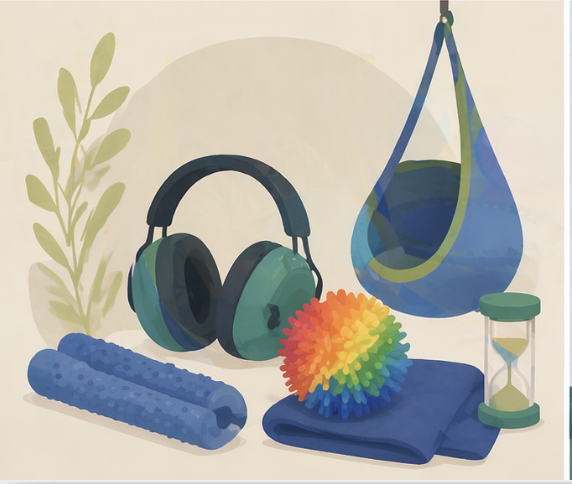
For autistic kids who are using caffeine for attention or alertness, movement is the most direct replacement. Jumping, carrying heavy items, climbing, or any activity that provides deep proprioceptive input activates the same arousal systems caffeine targets, without the sleep and medication interaction risks. Sensory regulation routines that incorporate movement are worth building out with your child's OT or BCBA before defaulting to caffeine as a focus tool.
Food-Based Approaches
Protein at breakfast stabilizes blood sugar in a way that extends alertness without a stimulant spike. Omega-3 supplementation has a small but consistent evidence base for attention in children.
Hydration alone eliminates one of the most common causes of afternoon fatigue that parents sometimes reach for caffeine to address. Meal planning for autism covers how to structure meals around your child's sensory preferences and functional needs, including energy and attention across the day. If food texture or selective eating is part of the picture, feeding therapy can address that directly.
Routine and Pacing
Predictable transitions, rest periods built into the day, and reduced sensory demand during high-cognitive-load activities often do more for sustained attention than any dietary approach. These are structural, not stimulant-based, and they hold across the day rather than wearing off.
Caffeine and ABA: Should My Child Have Caffeine Before a Session?
There's no universal answer, but there's a useful question to ask. The relevant factors are: what time of day is the session, what's your child's current arousal level before they arrive, and what skills are being worked on that day.
Morning sessions with a child who is alert and regulated benefit little from caffeine. An afternoon session for a child who is consistently fatigued by that hour is a different situation, and worth raising directly with your BCBA rather than managing independently. Your BCBA can tell you whether they're noticing anything in session that maps to the timing.
A Note for Parents: Your Caffeine Matters Too
Managing an autistic child's diet, medications, schedules, and therapy logistics is genuinely exhausting. Most parents reading this are doing it on interrupted sleep and a lot of coffee. Caregiver fatigue is real, it affects the quality of care you can provide, and it warrants the same attention you're giving your child's nervous system. Self-care without guilt is worth reading if you're running on empty.
You don't have to figure this out alone.
Alpaca Health matches your family with a vetted, in-network BCBA, often within days and with no waitlist. We handle the insurance paperwork so you can focus on your child.
Get matched with a BCBA →
Frequently Asked Questions About Caffeine and Autism
Why does my autistic child get sleepy after caffeine?
This is called a paradoxical response, and it's documented in the research. Caffeine blocks adenosine receptors in the brain.
In some autistic children, that mechanism produces calm or sedation rather than stimulation, likely due to differences in baseline arousal and adenosine receptor function. It doesn't mean something is wrong. It means their nervous system is processing the caffeine differently than expected.
Is caffeine bad for autistic children?
Caffeine isn't categorically harmful, but the AAP's position is that avoiding it is the best choice for all children. The specific risks for autistic kids are sleep disruption (already elevated in this population), potential interactions with common medications, and the possibility of pushing a child past their sensory threshold on high-stimulation days. Whether those risks apply to your child depends on their age, medications, and sensory profile.
Does caffeine help autism?
No peer-reviewed evidence supports caffeine as a treatment or support for autism. A 2023 meta-analysis (PMC10526204) found no significant benefit of caffeine over placebo for ADHD symptoms in children. Caffeine is an everyday beverage choice, not a clinical tool. If attention and focus are the underlying concern, ABA for ADHD covers evidence-based approaches.
Can my autistic child have soda or energy drinks?
Soda in small amounts, for older children, is generally manageable if it's not affecting sleep or medications. Energy drinks are a different category. The AAP explicitly states they are not appropriate for children or adolescents. The caffeine content is high, the additional stimulants (taurine, guarana) are not studied in children, and the combination poses meaningful cardiac and neurological risks at the amounts found in a standard can.
Is caffeine safe with ADHD medication?
This is a question for your child's prescriber, not a general guide. Caffeine and stimulant medications both increase dopamine and norepinephrine activity.
Combining them can amplify both effects and side effects. Your prescriber needs to know what your child is consuming regularly. See the ABA for ADHD page for more on the ADHD and autism overlap.
What about chocolate?
Milk chocolate in ordinary amounts (a few squares, a small cookie) contains modest caffeine, typically 10-15mg per serving. That's unlikely to cause meaningful effects in most children. Dark chocolate is higher, around 30mg per serving, and worth tracking if your child eats it in quantity. The concern with chocolate is usually less about caffeine and more about sugar load and how it interacts with your child's overall diet.
How do I find an ABA provider that fits our family?
Start with whether the provider works in your preferred setting (home, school, or telehealth), whether they accept your insurance, and whether their approach matches your values around autism and neurodiversity. If you have specific concerns about caffeine, sleep, or sensory regulation, those are worth raising during your initial conversation.
An autism diagnosis checklist can help you organize what you already know about your child before that first call. Alpaca matches families with independent BCBAs in under 24 hours with no waitlist. Start your intake to get matched today.
If you're in Colorado and looking for local ABA support, ABA in Colorado covers providers, insurance, and state-specific resources.
Turn these ideas into a plan built for your child.
Practicing at home is a great start, and a Board Certified Behavior Analyst can shape it into a program around your child's real goals. Alpaca Health matches you with one, often within days.
Get matched with a BCBA →
RELATED ARTICLES