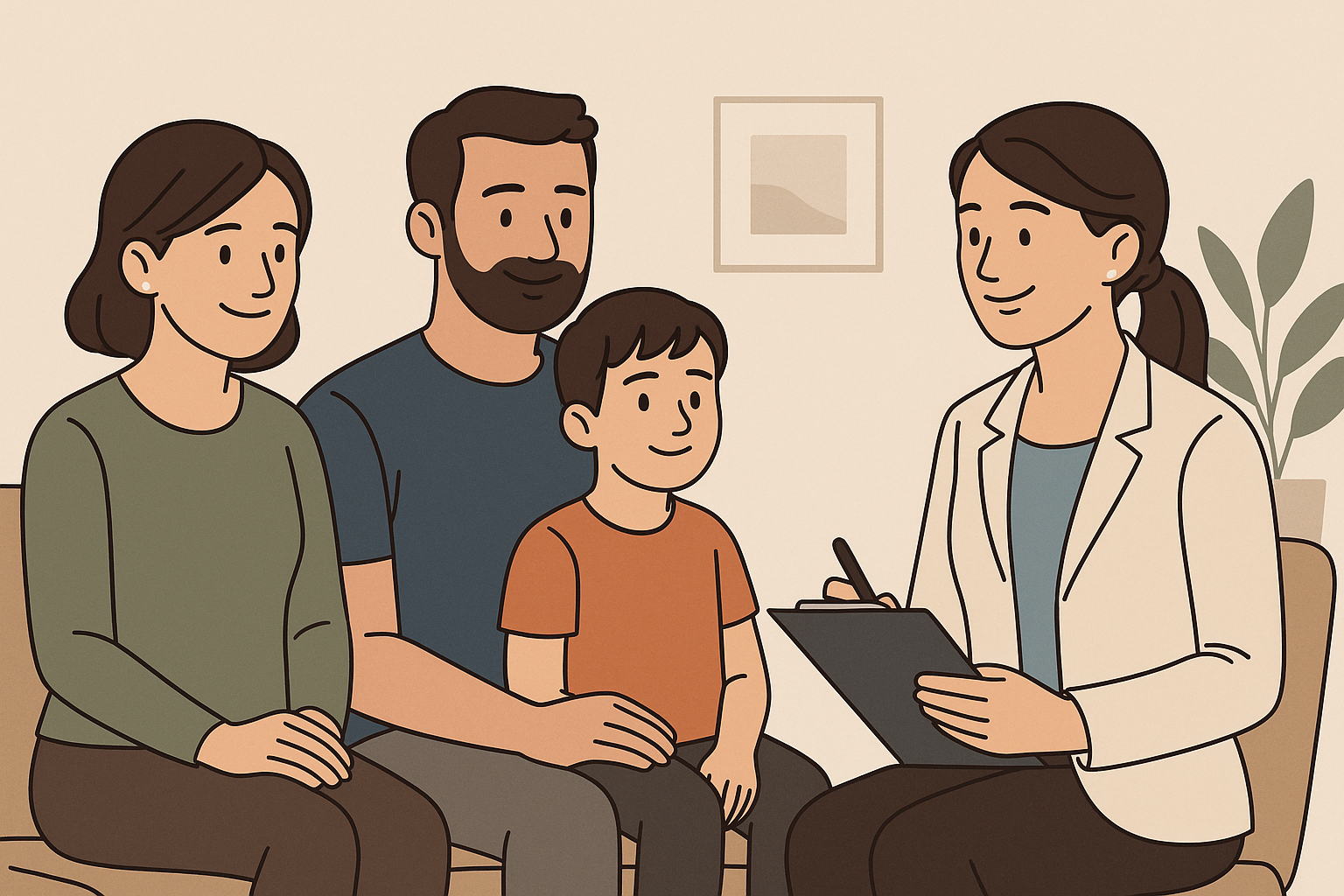





Finding the right therapist for your child can feel overwhelming. There are new terms to learn, school meetings to manage, insurance questions to sort through, and the constant pressure of wanting the best support for your child’s development. It’s completely normal to feel unsure about where to begin.
The good news is that you don’t need to understand everything at once. By learning about the types of therapists involved in autism care and knowing what to focus on in the first conversations, you can make a confident and informed choice. Most importantly, you can find someone who understands your child and fits naturally into your family’s routines.
Key Takeaways
- Learn the roles of different autism therapists (BCBA, RBT, speech therapist, OT, psychologist) and how each supports your child.
- Know which credentials and forms of experience matter most when evaluating a provider.
- Follow a step-by-step process to choose a therapist who fits your child’s strengths, needs, and personality.
- Understand what good therapy looks like and the red flags that suggest a therapist may not be the right fit.
- Get a simple, parent-friendly overview of costs, insurance, and early progress.
- Build confidence in advocating for your child and staying involved in their care.
You don't have to figure this out alone.
Alpaca Health matches your family with a vetted, in-network BCBA, often within days and with no waitlist. We handle the insurance paperwork so you can focus on your child.
Get matched with a BCBA →
Step-by-Step Guide to Choosing an Autism Therapist
Step 1: Understand Who Provides Autism Therapy
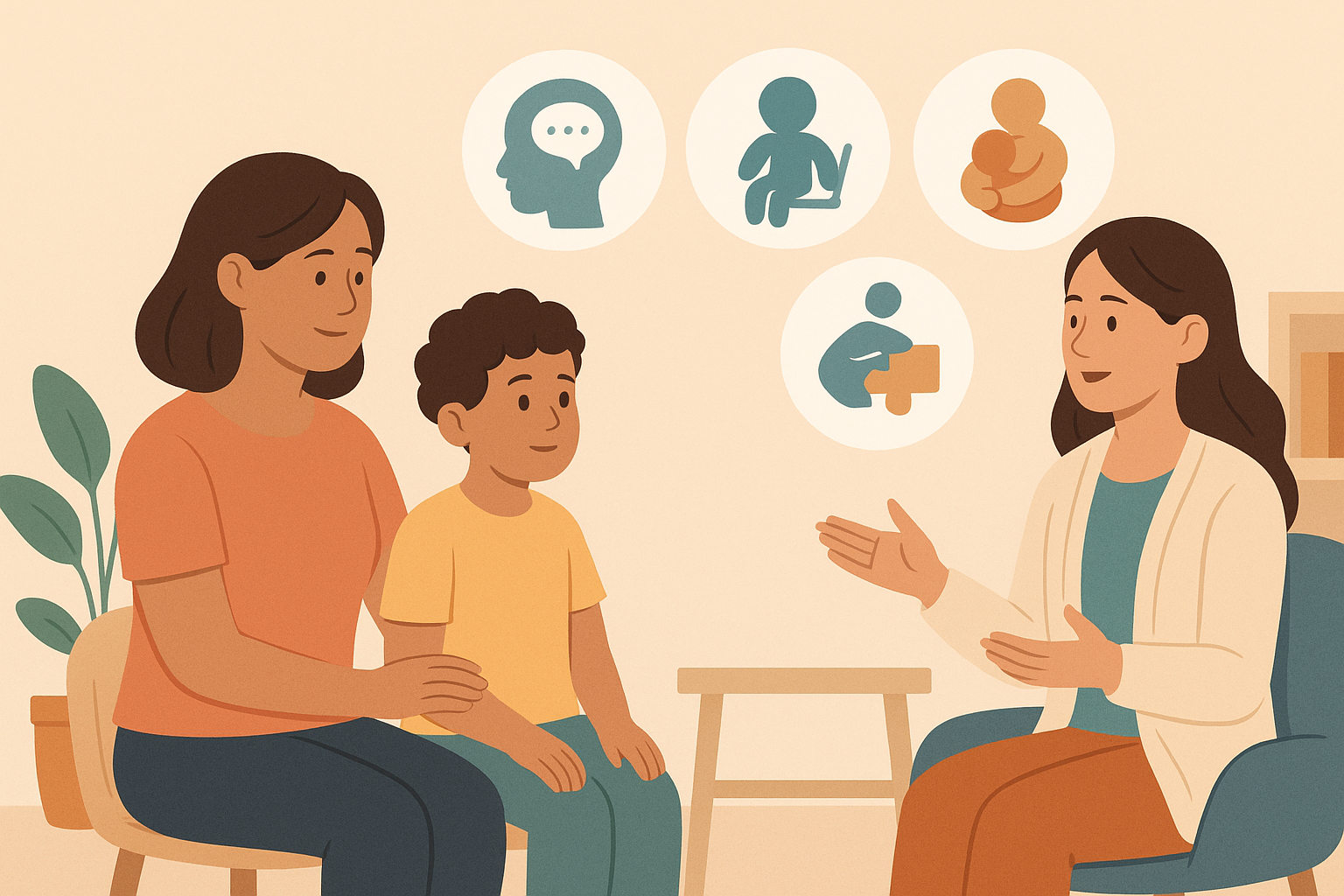
Autism care is often delivered by a team of specialists. Each brings unique skills and perspective:
Board Certified Behavior Analyst (BCBA)
A BCBA designs and oversees behavior therapy, sets goals, and adjusts the plan as your child grows. In most ABA programs, the BCBA is the person guiding your child’s care at a high level.
Registered Behavior Technician (RBT)
RBTs work directly with your child during sessions. They implement the strategies the BCBA designs. A thoughtful RBT makes a big difference in your child’s day-to-day experience.
Speech-Language Pathologist (SLP)
Speech therapists support communication, language development, social cues, and sometimes feeding. They are especially helpful for children with expressive or receptive language challenges.
Occupational Therapist (OT)
Occupational therapists (OTs) support sensory processing, fine motor skills, emotional regulation, and everyday tasks like dressing, feeding, or handwriting. Many autistic children benefit from OT, especially when sensory differences make daily routines feel challenging.
Child Psychologist
Psychologists support emotional regulation, anxiety, transition challenges, and coping skills, especially for older children and teens.
Understanding who does what helps you choose the right combination for your child’s needs and reduces the overwhelm that often comes with starting therapy. If you want a place to begin, Alpaca Health’s Provider Directory can help you explore trusted, certified providers in your community.
Step 2: Check Essential Credentials and Experience
Credentials help you understand the training behind a therapist’s work, but experience and communication style matter just as much.
Here’s what to look for:
- Autism-specific education or certification
- Experience with your child’s age group
- Familiarity with communication, sensory, or social differences
- A clear, friendly, reassuring communication style
- A family-centered approach that includes you in decisions
- Evidence-based strategies that adjust as your child grows
You’re allowed to ask, “What experience do you have with children similar to mine?” Therapists who welcome this question tend to be the best partners.
Step 3: Review Their Therapy Approach
Different therapists use different methods, and the best approach depends on your child’s needs and personality.
Here’s a quick parent-friendly overview:
ABA (Applied Behavior Analysis)
ABA therapy teaches new skills and strengthens communication and daily living abilities using positive reinforcement. It can be highly structured or completely play-based.
Naturalistic or Play-Based ABA (PRT, NET)
These styles follow your child’s interests, encourage spontaneous communication, and are embedded in everyday routines.
Speech Therapy
Supports language, social communication, understanding cues, reducing frustration from communication barriers, and sometimes feeding challenges.
Occupational Therapy
Helps children feel comfortable in their environment. Supports sensory needs, motor development, and everyday tasks.
CBT (for older children)
Helps children manage anxiety, worries, and emotional regulation through structured coping skills.
Matching Therapy to Your Child’s Personality
Children don’t learn the same way, and that’s completely okay.
A quick guide:
- Children who thrive with routine may benefit from structured, predictable sessions.
- Play-driven children often do best with naturalistic or interest-led approaches.
- Kids with strong sensory needs may need OT alongside behavior therapy.
- Children with anxiety need slower pacing, gentle transitions, and emotionally supportive sessions.
A good therapist will explain how they adapt their methods to your child’s strengths.
Step 4: Ask the Right Questions During the First Call
These questions help you understand their philosophy and communication style:
- How do you individualize goals for each child?
- How often do you update the treatment plan?
- How will I be involved in therapy?
- How do you collaborate with teachers or other therapists?
- What does a typical session look like?
- How do you support children during difficult moments?
- How do you measure progress?
You deserve clear, thoughtful answers.
Step 5: Look for Compatibility and Connection
Credentials matter, but connection matters more.
Look for:
- Warm, patient, encouraging interactions
- Genuine interest in your child’s strengths and interests
- Adaptability during sessions
- Respect for your family’s routines, values, and culture
- Clear explanations without jargon
You should feel comfortable, respected, and understood.
How to Tell If Your Child Is Comfortable
Comfort often shows up in small ways:
- Your child watches, explores, or approaches the therapist with curiosity
- Your child participates after warming up
- Transitions feel manageable
- Your child is calm or easily soothed after challenges
No child is expected to bond instantly, but you should gradually see signs of growing trust.
Step 6: Understand Costs and Insurance Basics
Therapy costs vary. Many families rely on insurance to cover ABA, speech therapy, and OT.
Here’s what to ask providers:
- Do you accept my insurance?
- What are my co-pays or deductibles?
- Is pre-authorization required?
- Are payment plans or sliding scale options available?
Transparent communication about finances is a sign of a reliable provider. For detailed guidance, visit Alpaca Health’s Insurance Hub to learn about coverage and payment options.
Step 7: Re-Evaluate After 2-4 Weeks
In the first month, look for:
- Small improvements in engagement
- Early communication attempts
- More predictable routines or transitions
- Increased comfort with the therapist
- Clear updates from the provider
- Adjustments to goals based on your child’s responses
If therapy feels rigid, unclear, or emotionally stressful, trust your instincts and reassess.
What Good Autism Therapy Looks Like (and Red Flags)
It can be reassuring to know what positive, supportive therapy looks like, and just as helpful to understand signs that a therapist may not be the right fit. Use this simple comparison table as a quick guide when evaluating your child’s sessions.
Good Signs
- Goals that reflect your child’s individual needs
- Warm, patient, responsive interactions
- Regular updates and open communication with parents
- Flexibility and child-led adaptations
- Consistent structure with room for creativity and play
- Respect for your child’s personality, interests, and communication style
Red Flags
- Vague or generic goals that could apply to any child
- Harsh tone, rigid methods, or pressured interactions
- Little or no parent involvement
- No adjustments to the plan, even when something isn’t working
- Same activities every session with no variation
- Signs of distress that do not improve over time
If something doesn’t feel right, you’re allowed to pause, ask questions, and explore other options. The right therapist will support your child’s growth and help your whole family feel more confident and informed.
How to Advocate for Your Child Confidently
You know your child better than anyone, and that makes you an important part of their care team. It’s completely okay to ask for clear explanations, check in about goals, or share what you’re seeing at home. If something feels off or you’re unsure why a strategy is being used, you can ask. Your perspective helps your therapist understand your child in a fuller, more real-world way.
Advocacy is simply staying connected. You can mention when your child needs a slower pace, more sensory support, or a different approach that feels calmer for them. A supportive therapist will welcome this, listen, and work with you to adjust the plan. When families and professionals stay in touch and share what’s working, children feel that consistency and progress become easier.
How Technology Can Support Therapy
Technology can also influence what therapy looks like day to day and may even shape which provider feels right for your family. Some therapists offer flexible telehealth options, use tools that make communication easier, or suggest simple apps that help children practice skills at home. These features aren’t required, but they can make therapy more accessible and help keep everyone connected.
- Telehealth offers flexibility for families in rural areas or with busy schedules.
- Visual schedule and communication apps support smoother routines.
- Clinician tools help providers track progress and simplify admin tasks so they can focus on care.
Technology should enrich therapy, not replace the connection between your child and their provider.
Checklist: Choosing the Right Autism Therapist
Here’s a simple checklist you can use as you compare providers and think about what feels right for your child and your family.
✔ Autism-specific training
✔ Warm and respectful interactions
✔ Individualized, evidence-based care
✔ Clear communication with regular progress updates
✔ Strong rapport with your child
✔ Collaboration with your family and school team
✔ Transparent discussion of costs
✔ Adaptability across home, school, or community settings
You don't have to figure this out alone.
Alpaca Health matches your family with a vetted, in-network BCBA, often within days and with no waitlist. We handle the insurance paperwork so you can focus on your child.
Get matched with a BCBA →Final Thoughts
Choosing an autism therapist is a meaningful step, and you deserve support that feels reassuring, accessible, and genuinely helpful.
At Alpaca Health, families connect with local, independent ABA providers who offer child-centered care with no waitlists. Therapy can begin in just a few days and takes place where your child feels most comfortable, at home, at school, in-center, or through telehealth. Clinical decisions are made directly between families and providers, allowing for flexible, long-term support tailored to your child’s growth.
If you’re ready to explore your options, we’re here to help you take the next step.
See how ABA therapy can support your family → Service Page
Some days are hard. We can help.
When you're ready for expert support, Alpaca Health matches your family with a caring BCBA who can help with the moments that feel impossible, at home, in clinic, or online.
Get matched with a BCBA →
RELATED ARTICLES